New Zealand shows the way to safer ag traffic… will the US, EU follow?
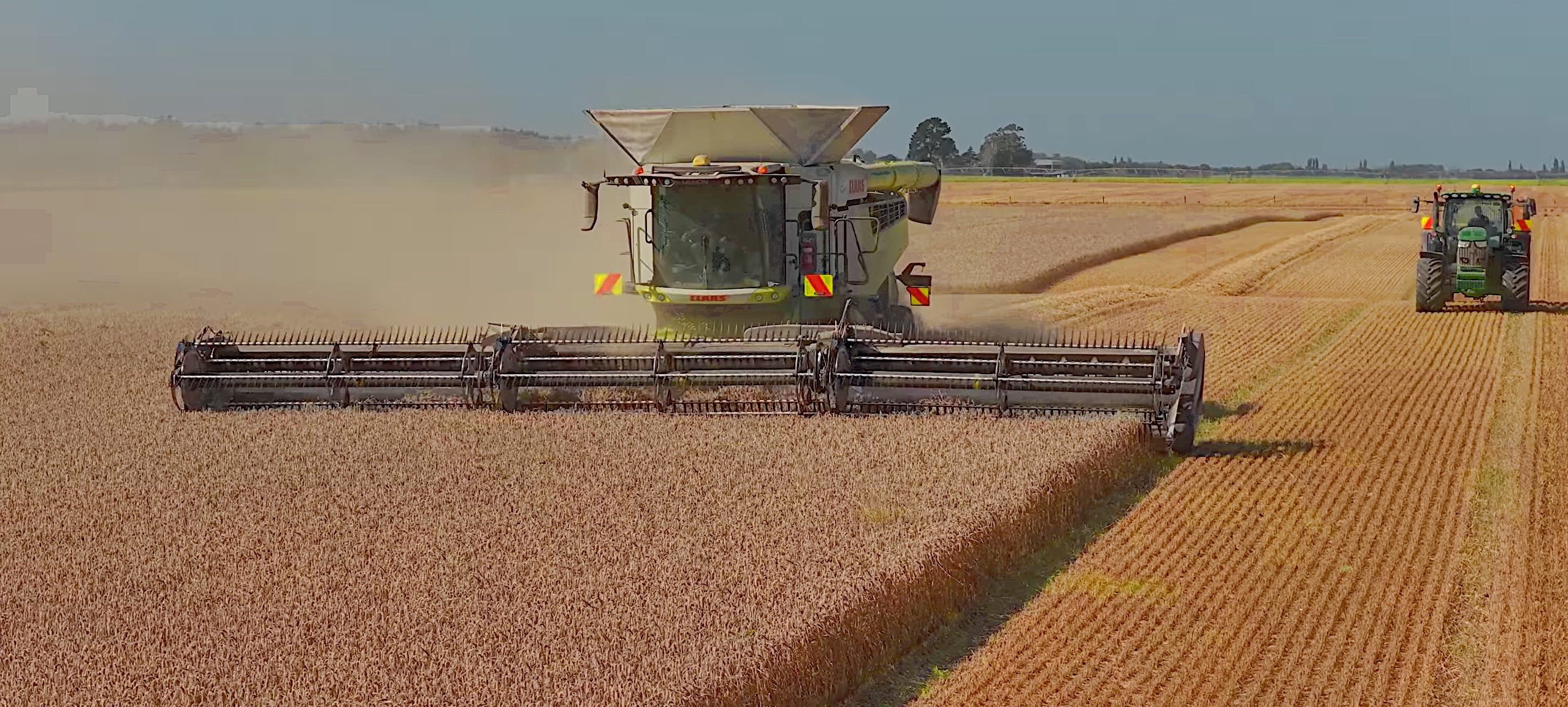
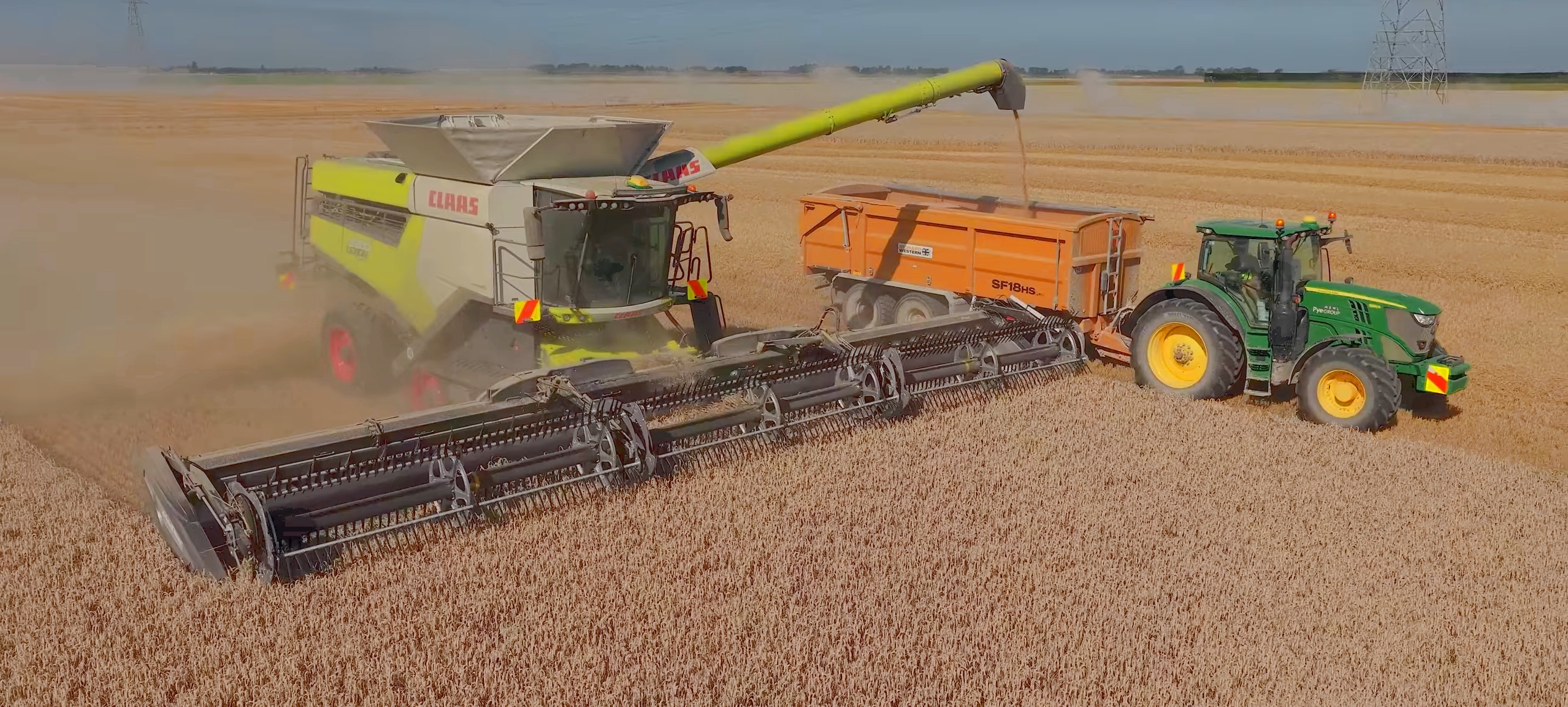
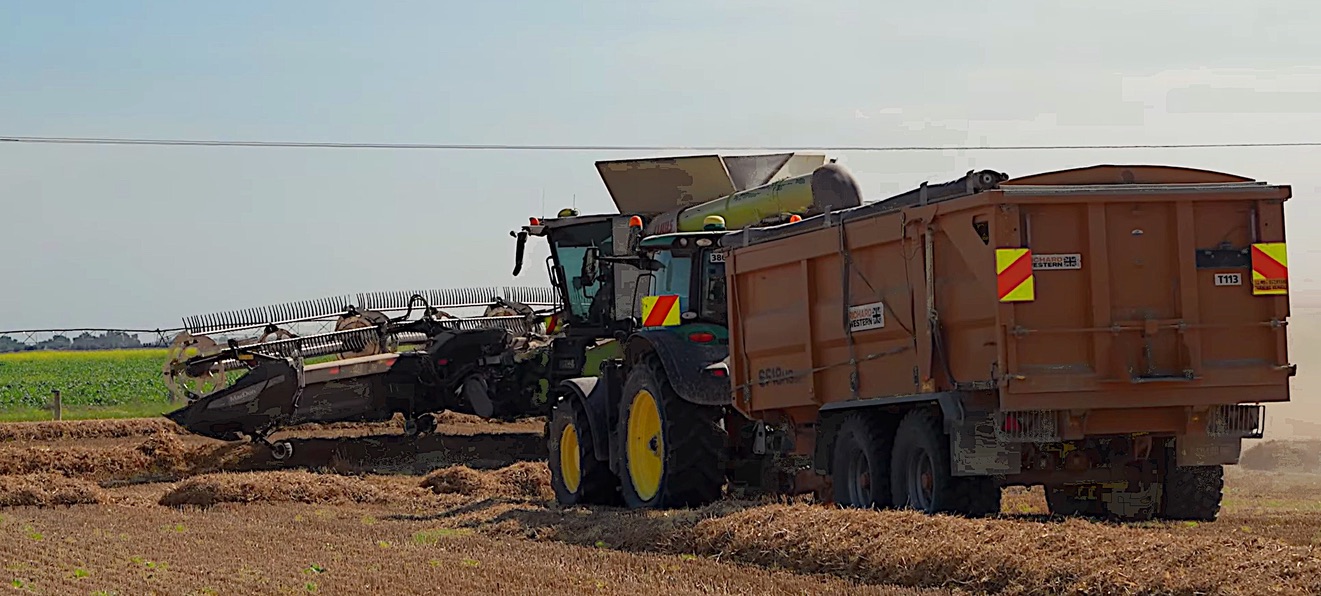
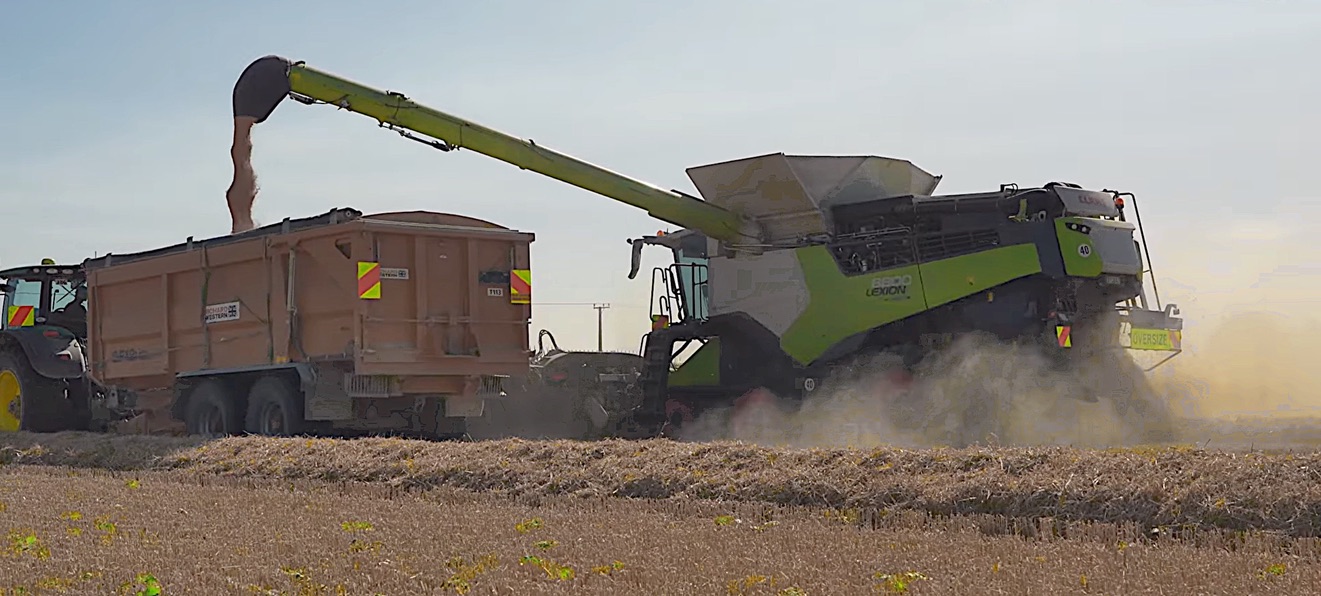
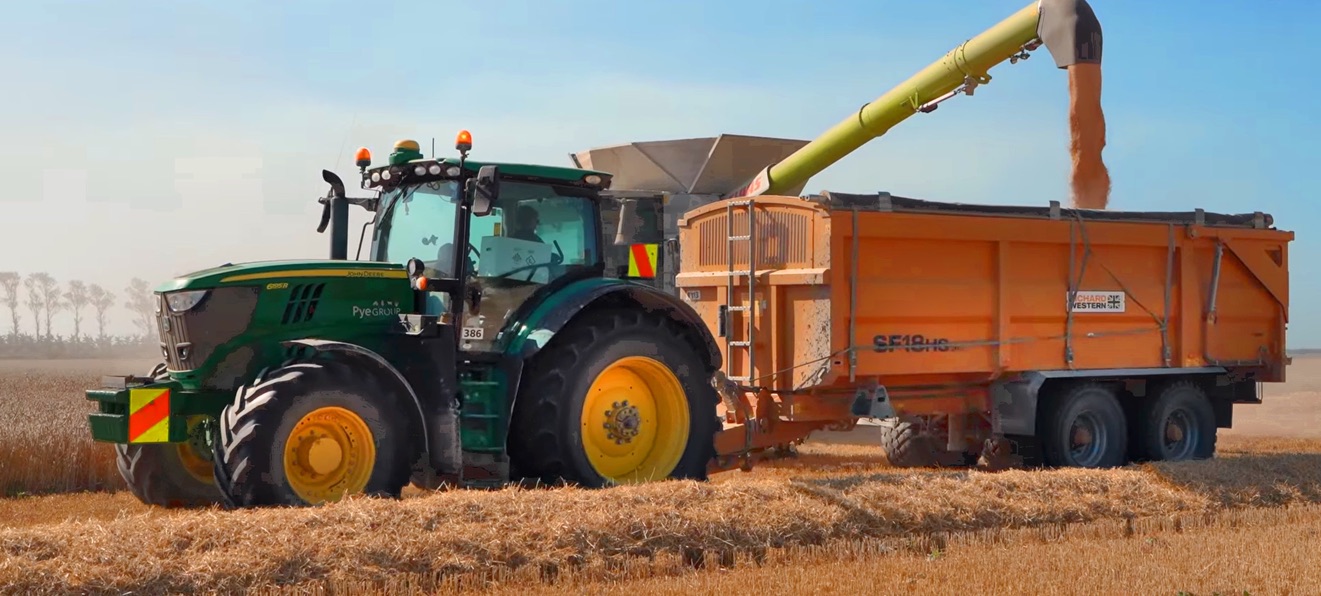
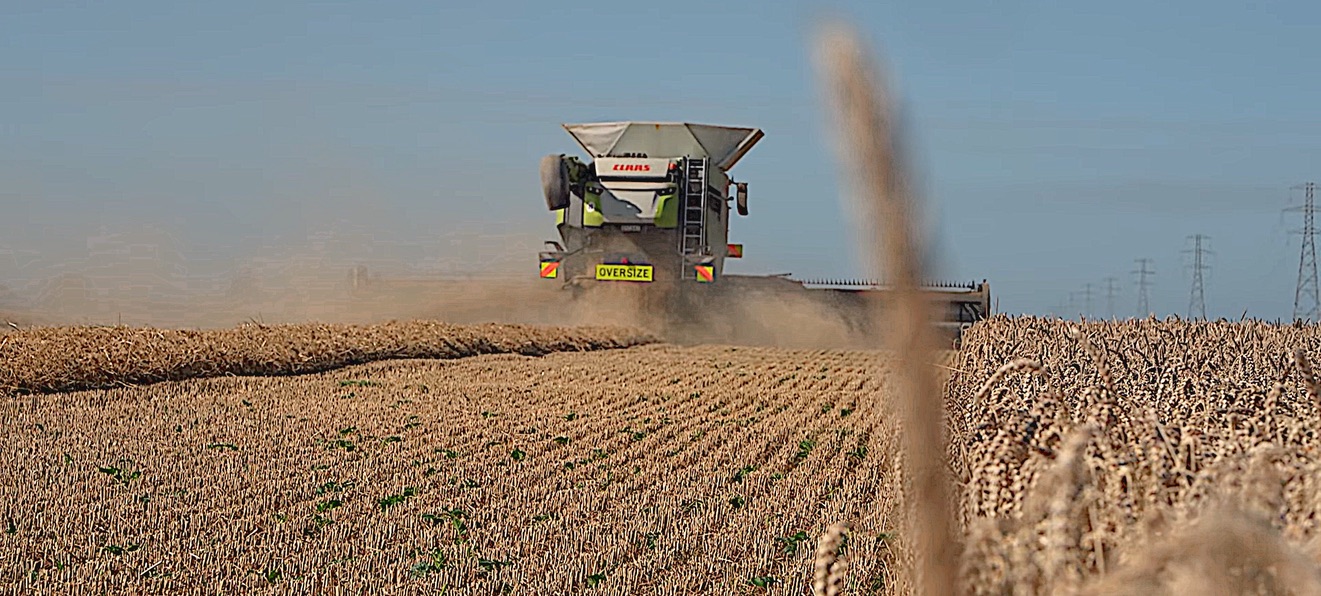
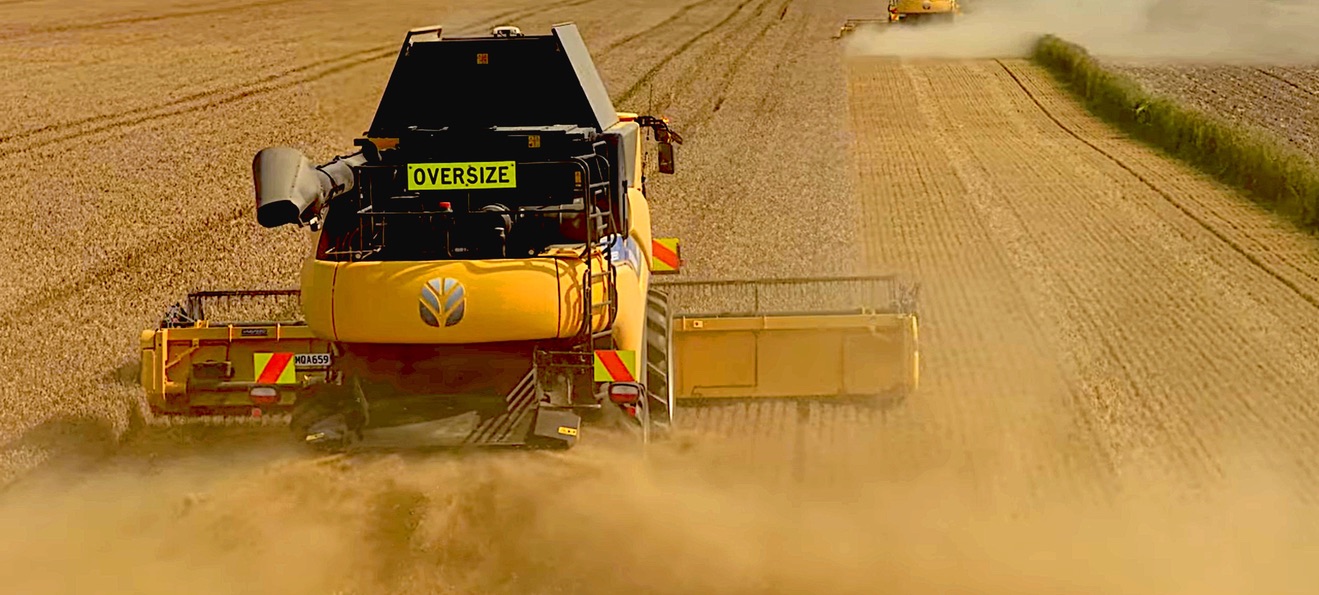
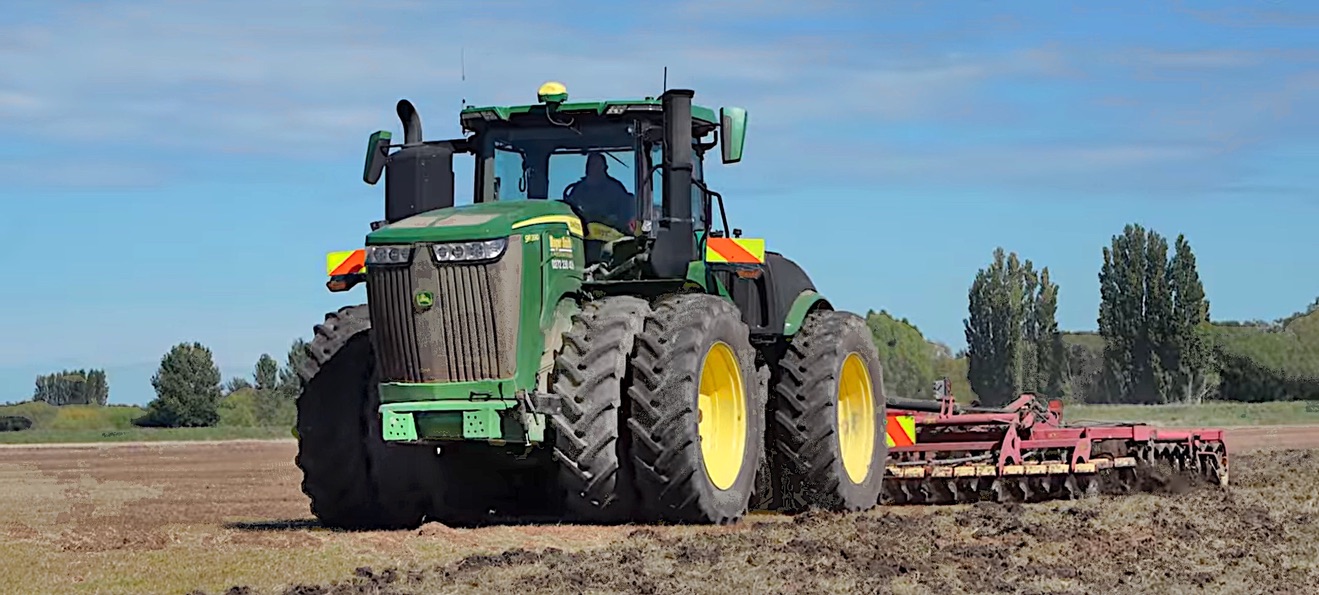
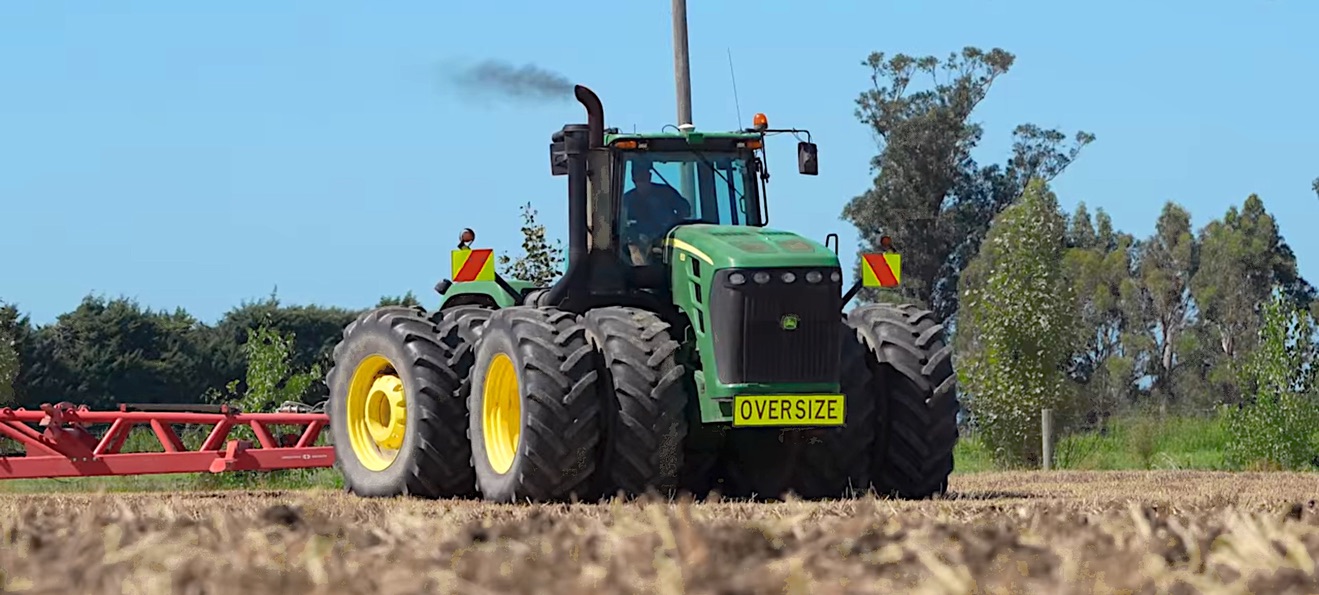
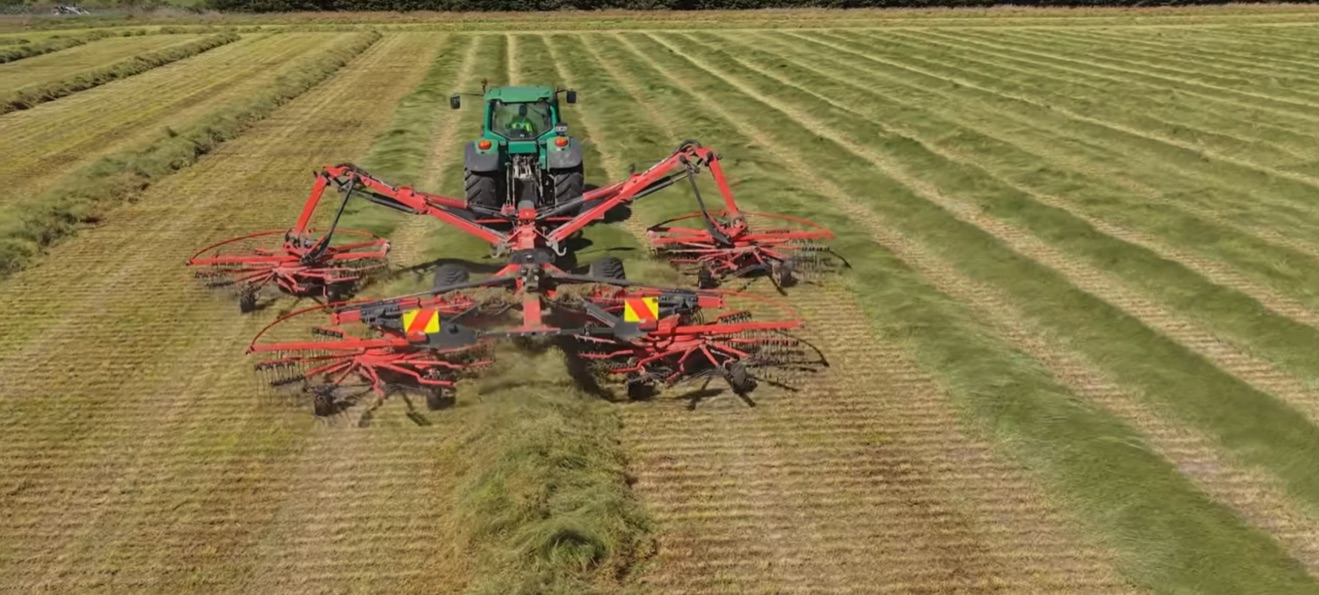
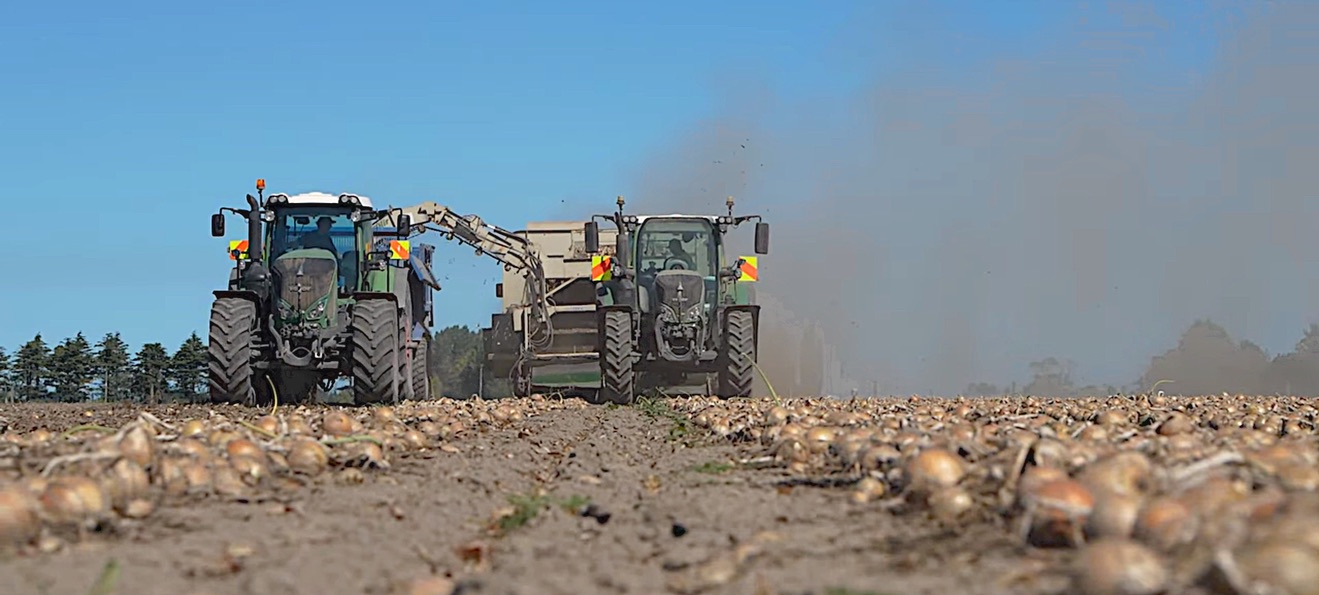
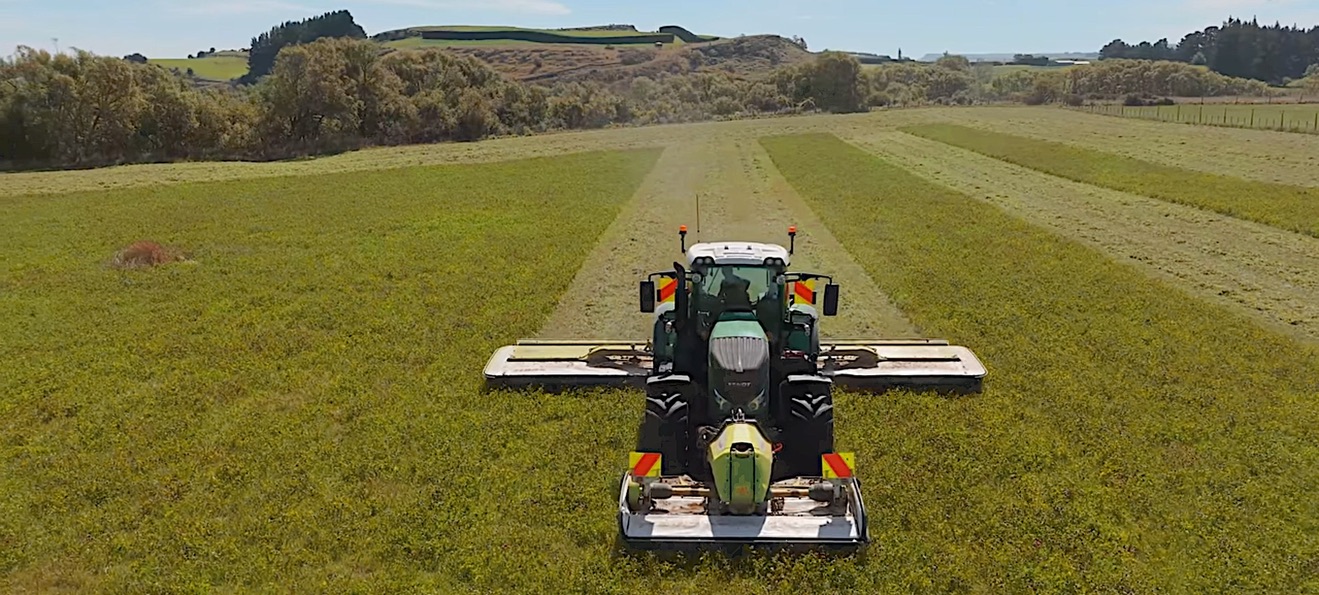
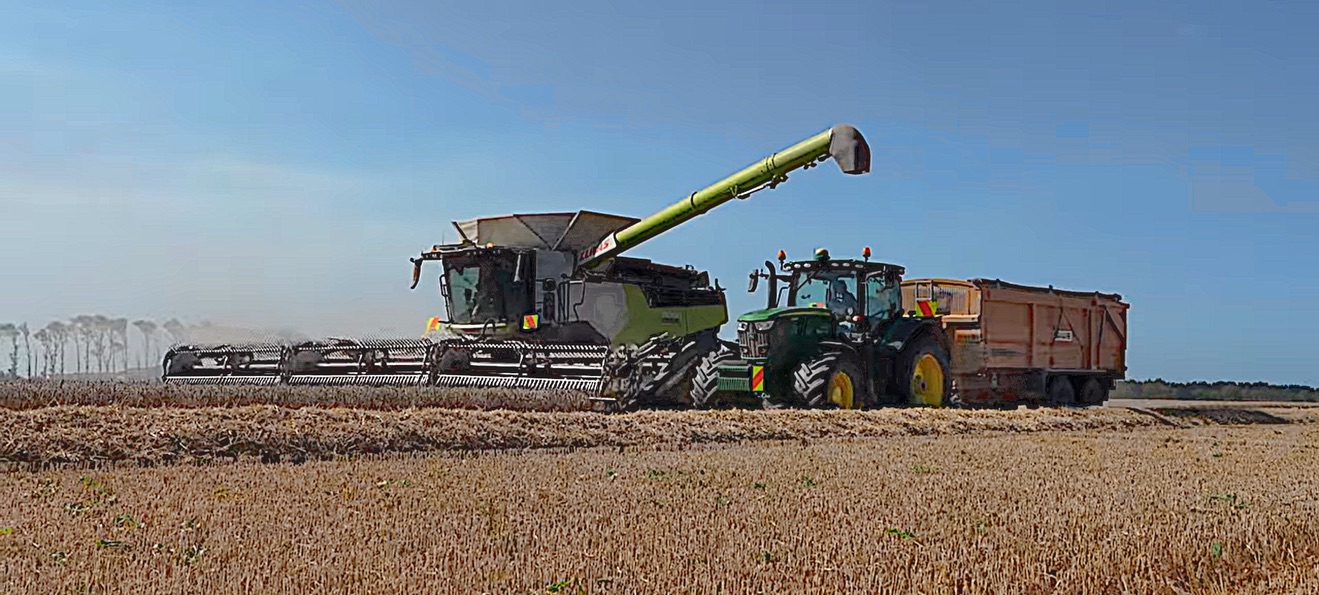
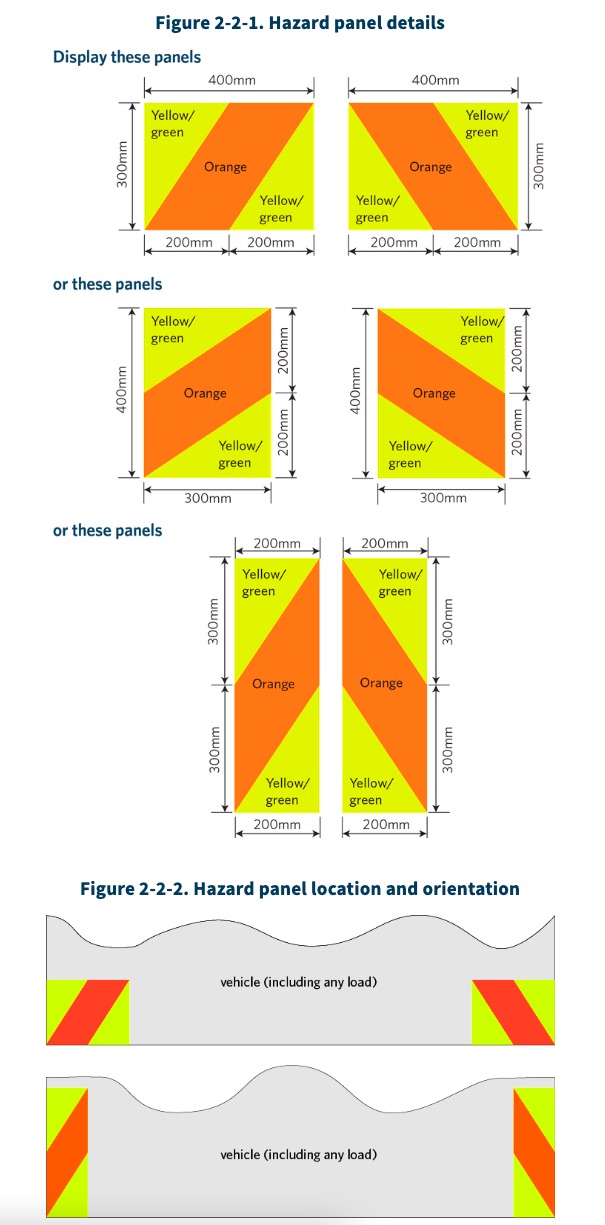
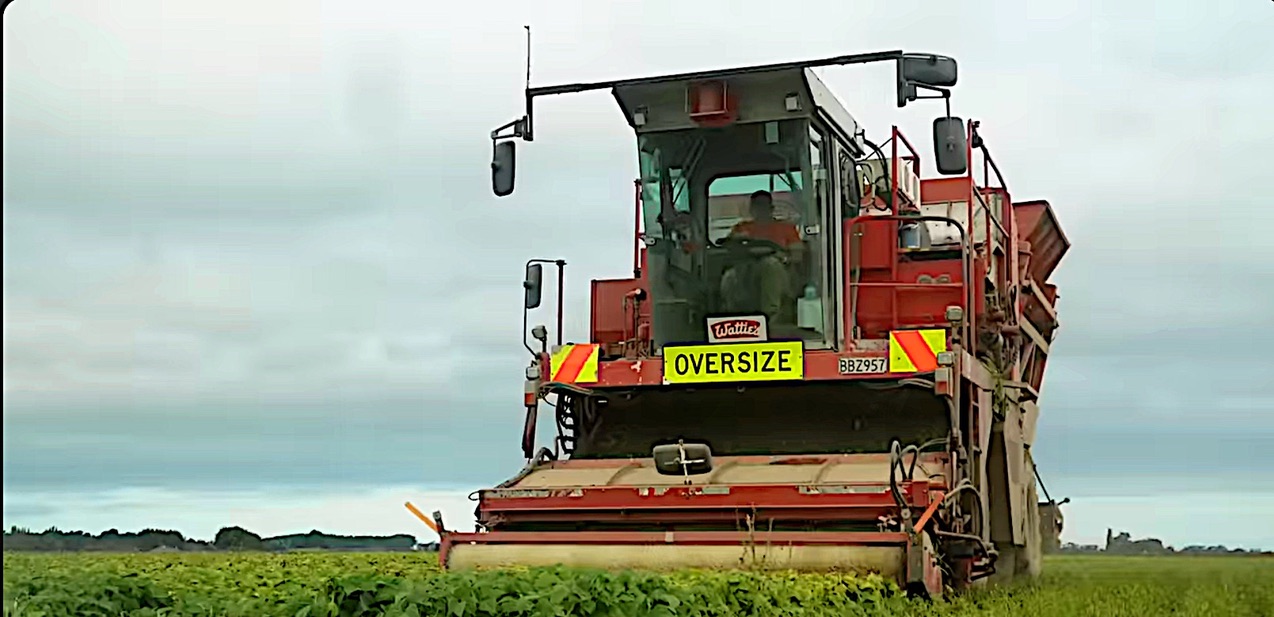
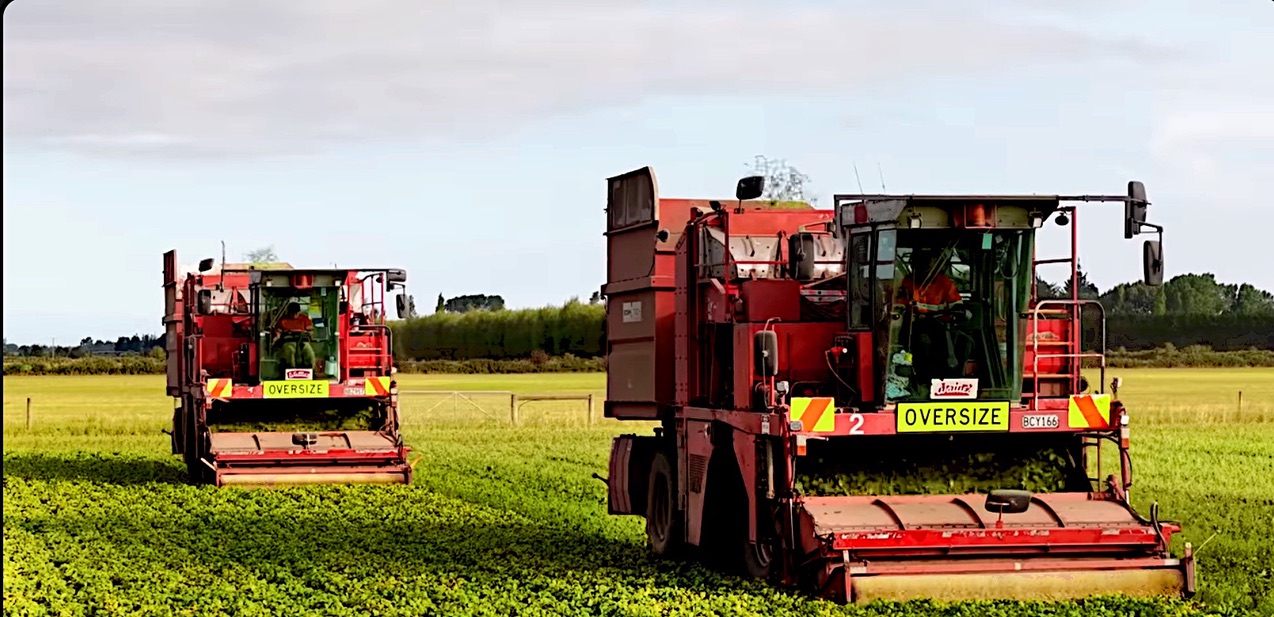
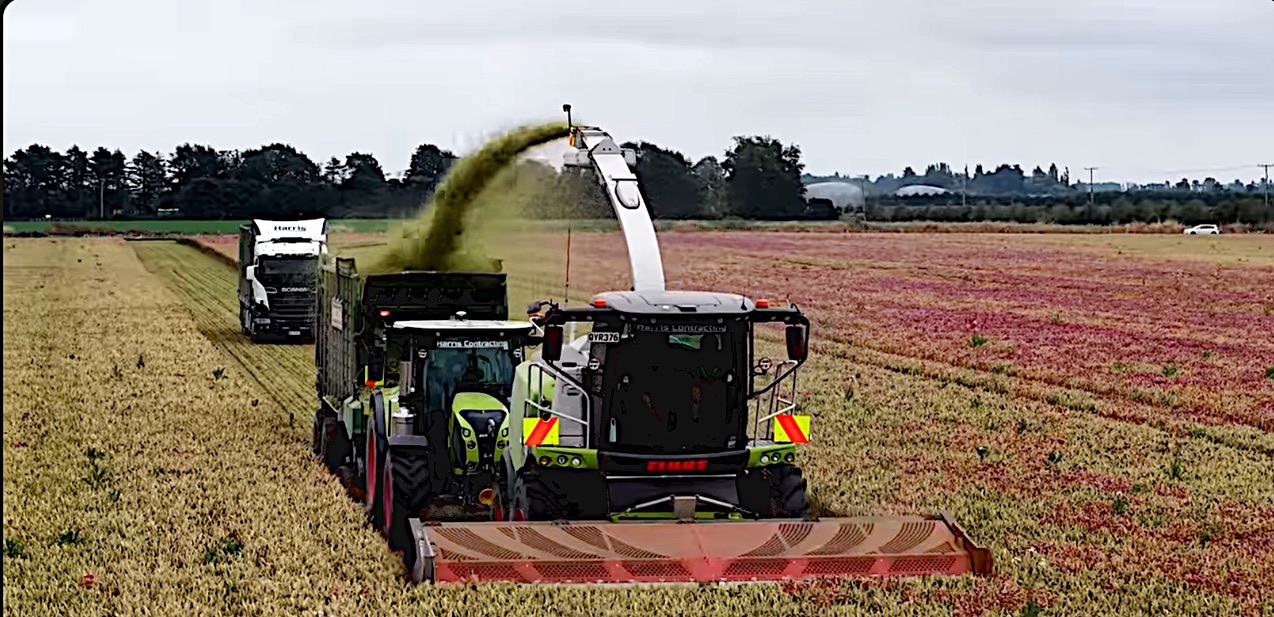
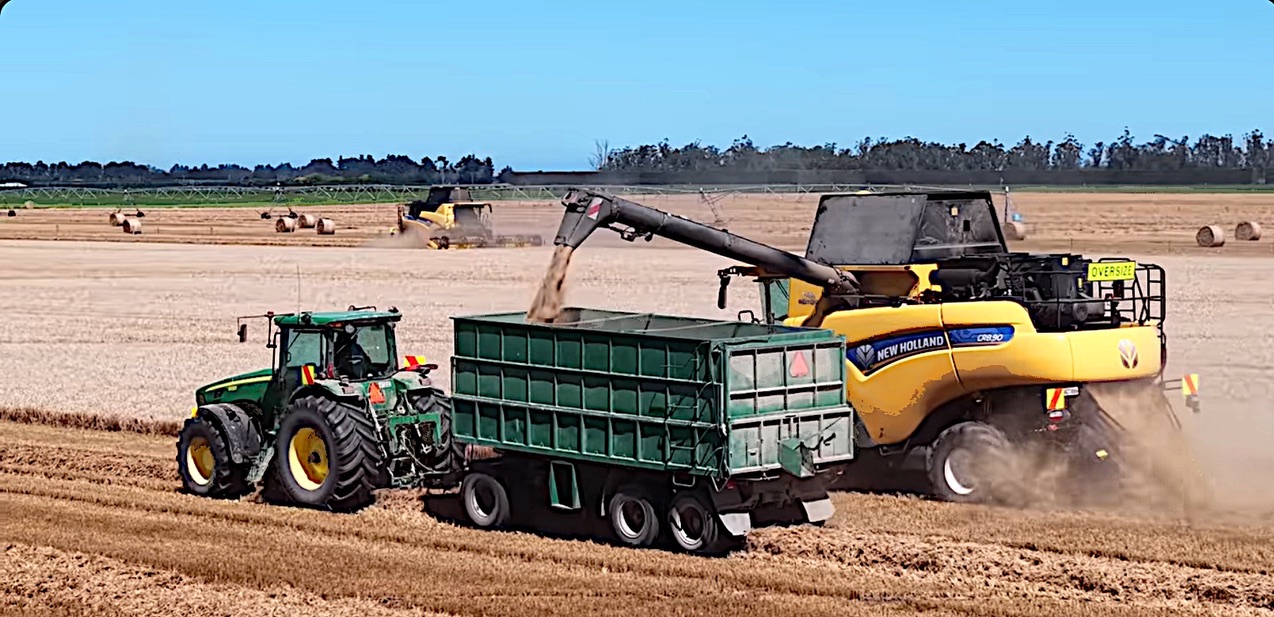
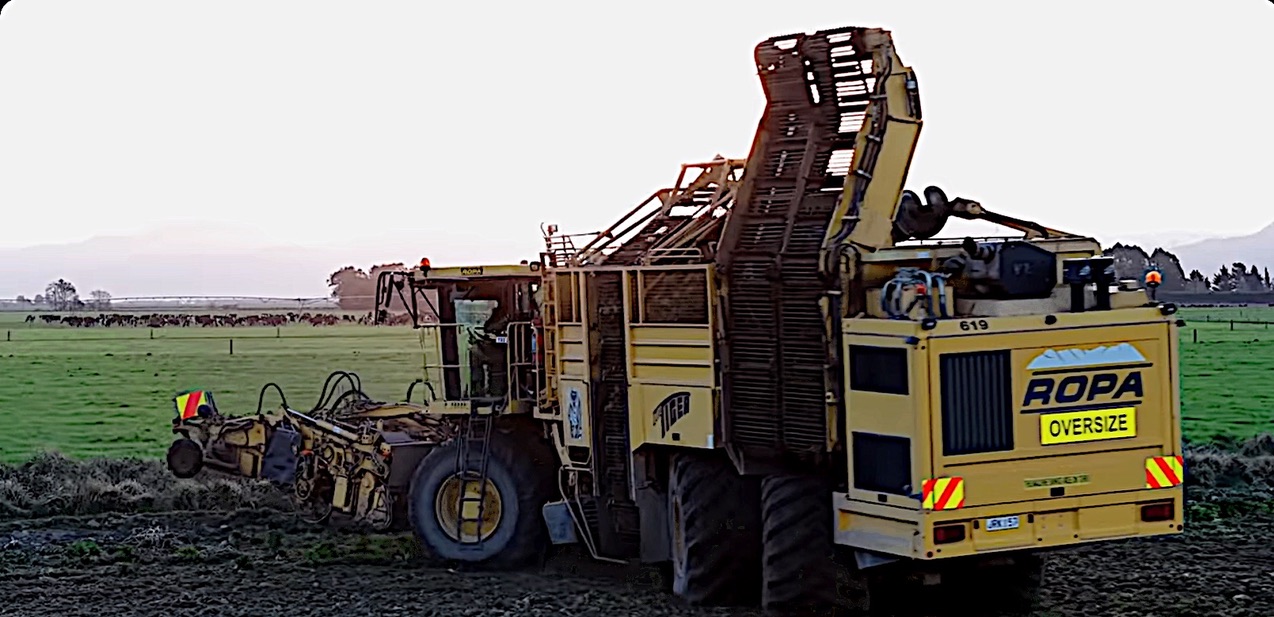
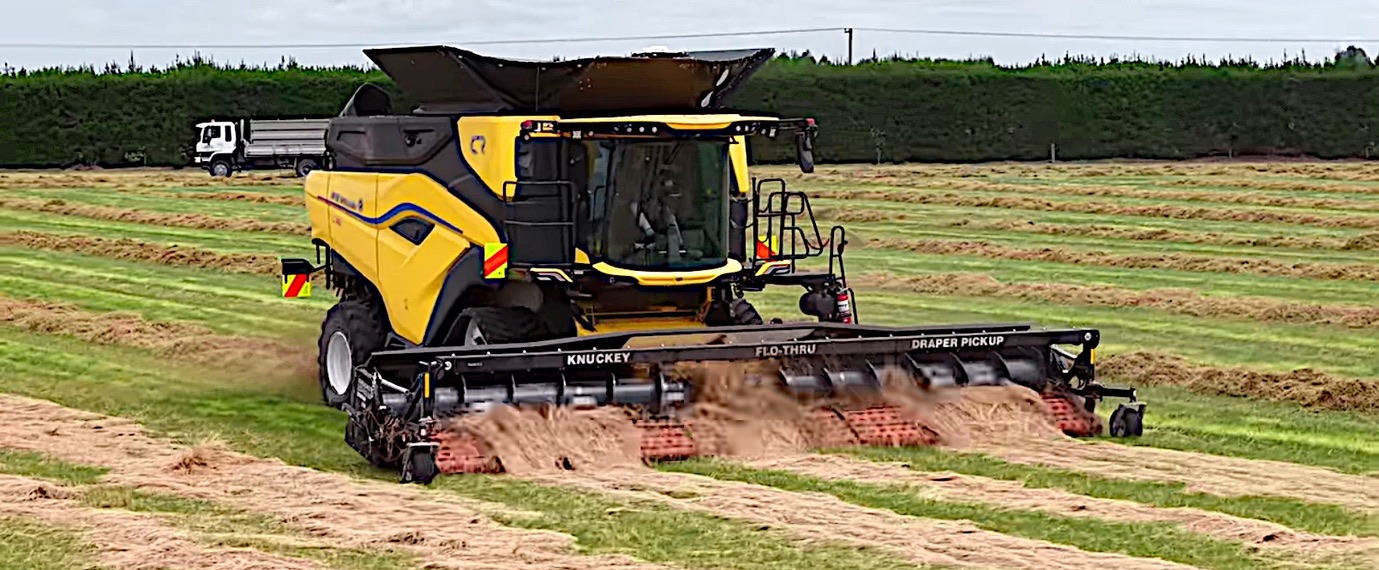
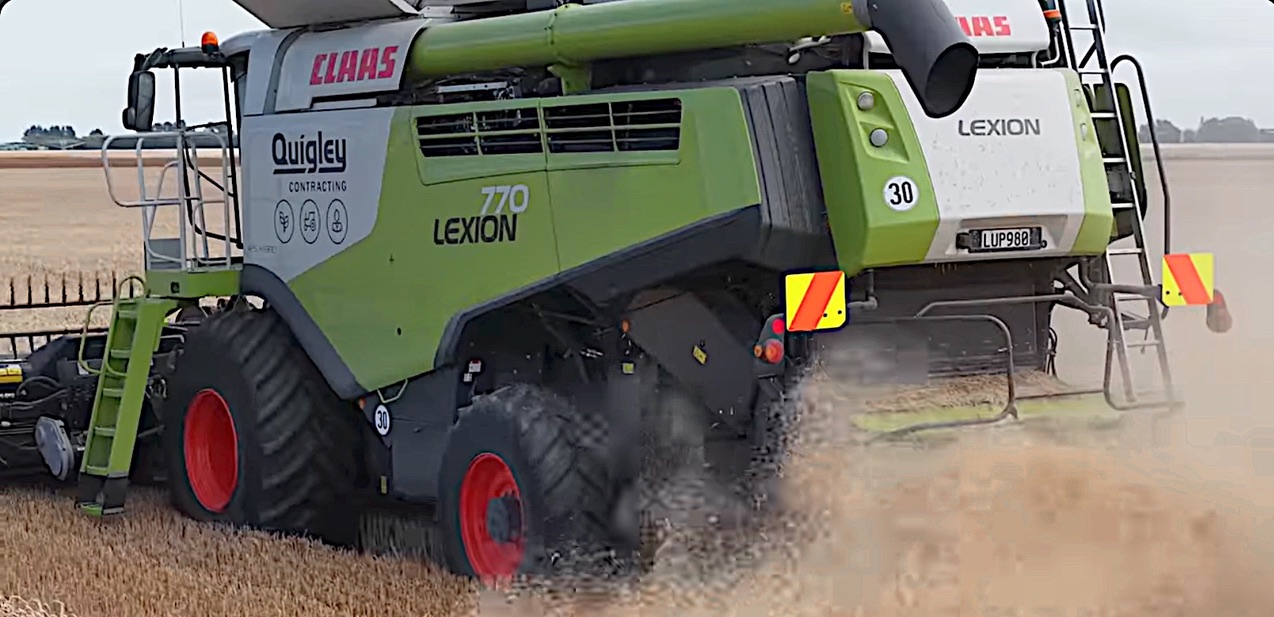
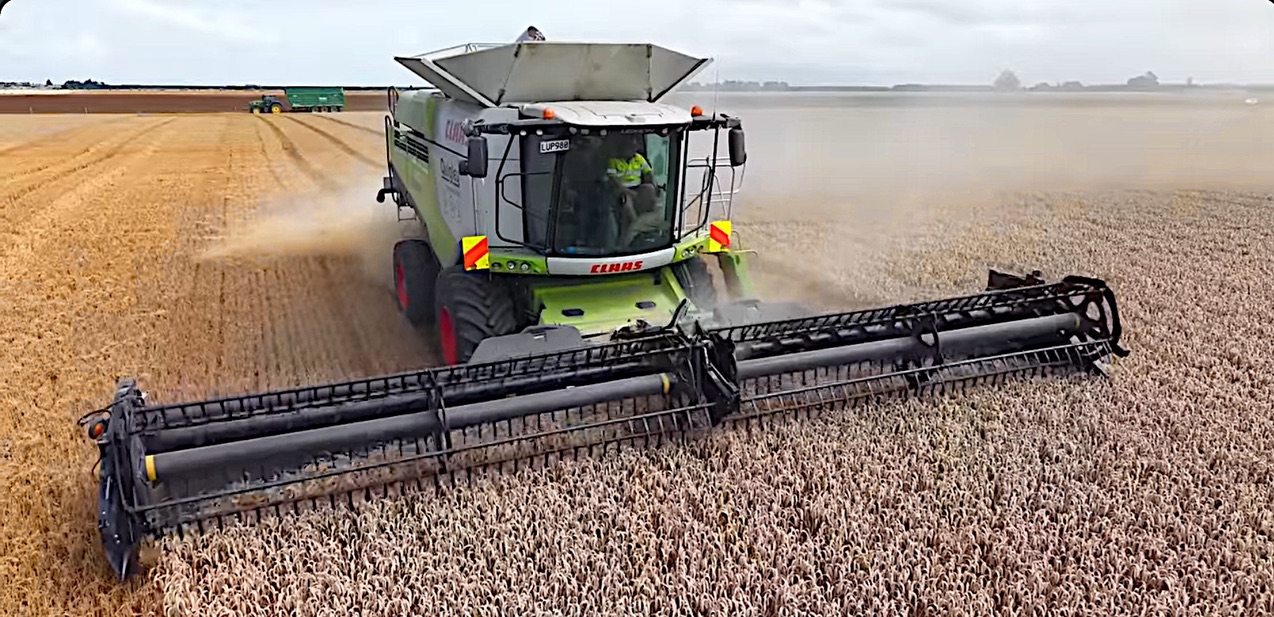
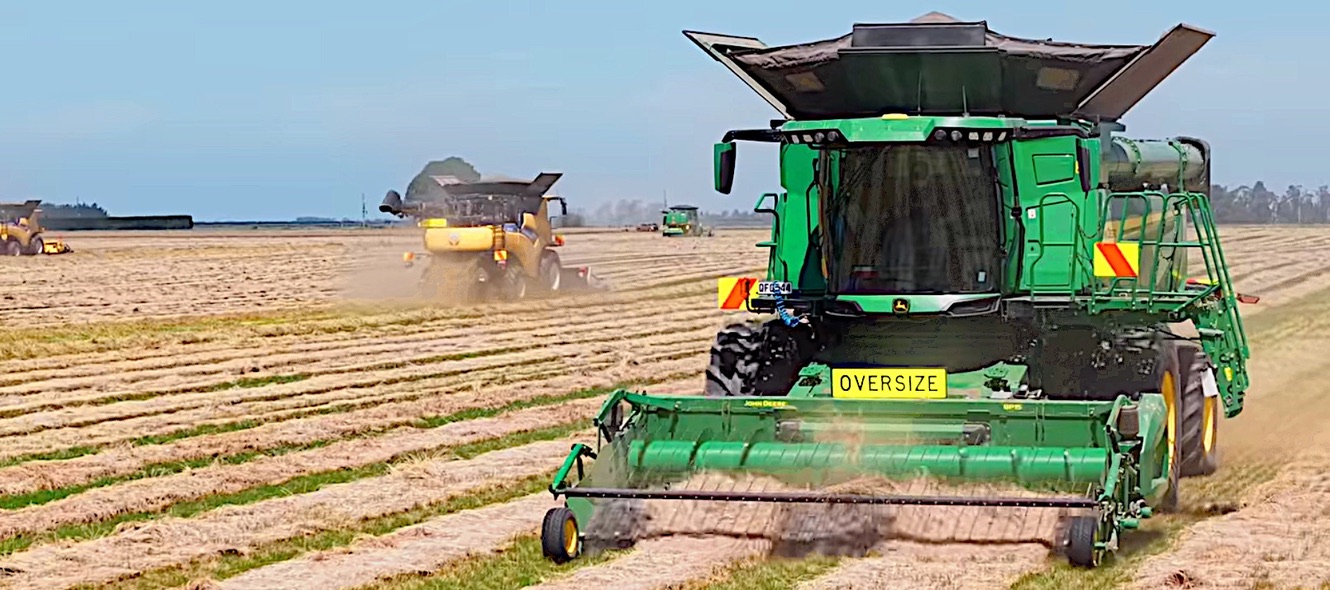
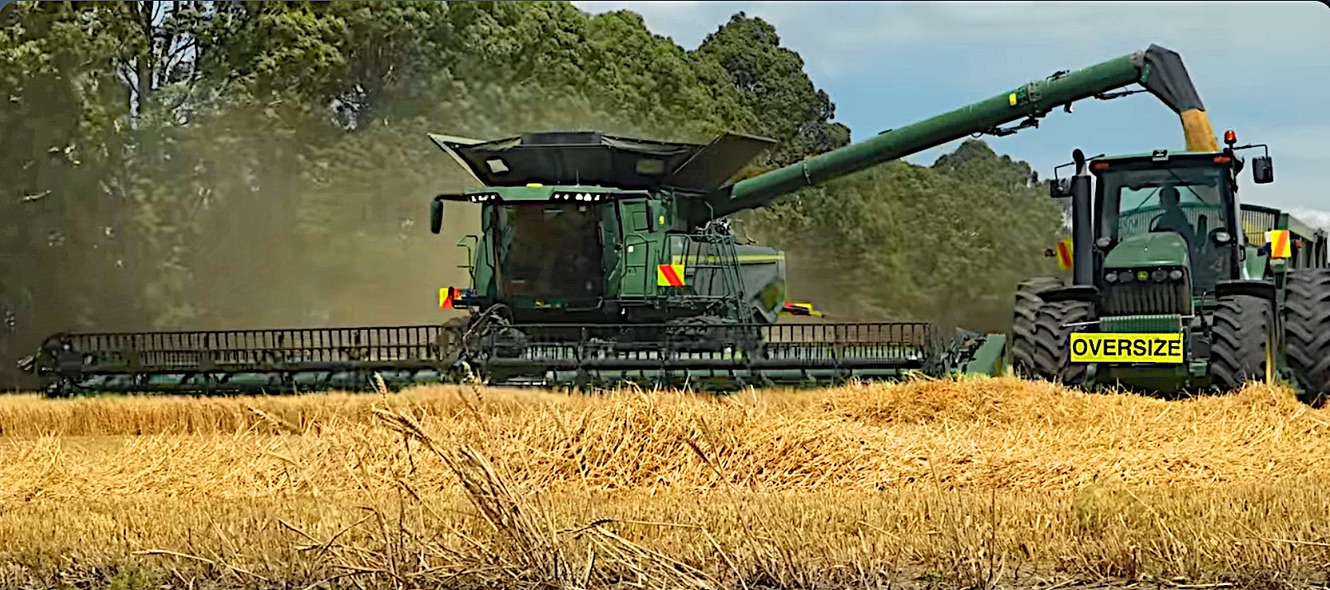
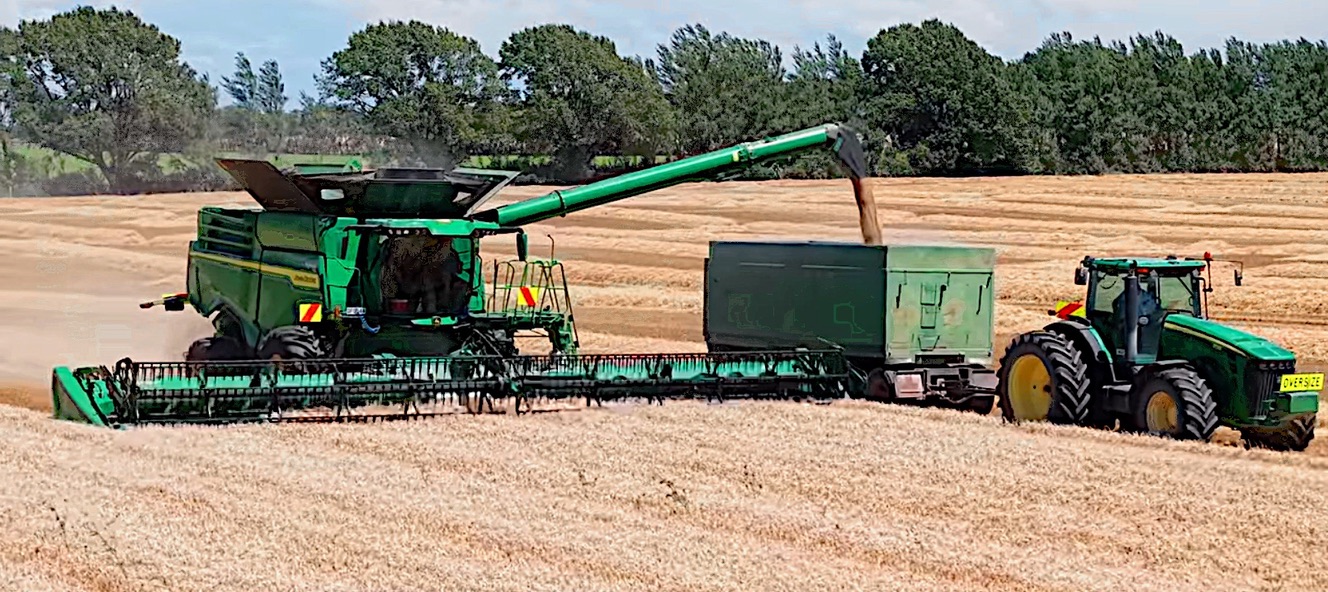
Chance surfing on the web brought our attention to what has taken place in New Zealand for almost 10 years: dramatic, large and effective backside (and frontside) marking of tractors, combines, harvesters and trailers… courtesy of their farsighted government’s recognition that fluorescent yellow-green/fluorescent orange retro-reflective* edge-marking Hazard Panels are a needed element of road safety on slow-moving vehicles.
*yes, the same color scheme and materials as employed in the Tri-Color Triangle(TM)!
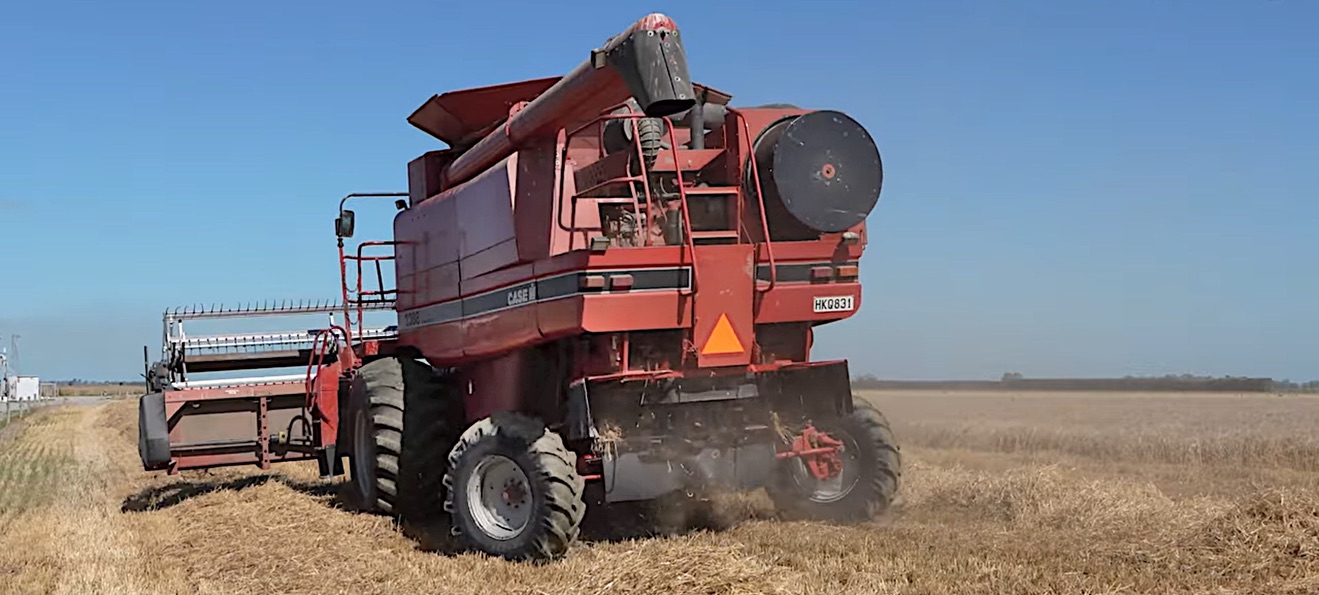
These panels, while developed for over-dimension (wide load) use, show their viability on all ag-related vehicles, wide or standard, plus non-ag-related equipment. In fact, most examples seen in the N.Z. videos viewed were running entirely without Old School SMV emblems… such emblems basically blown out of the water compared to the impact and effectiveness of the hazard panels.
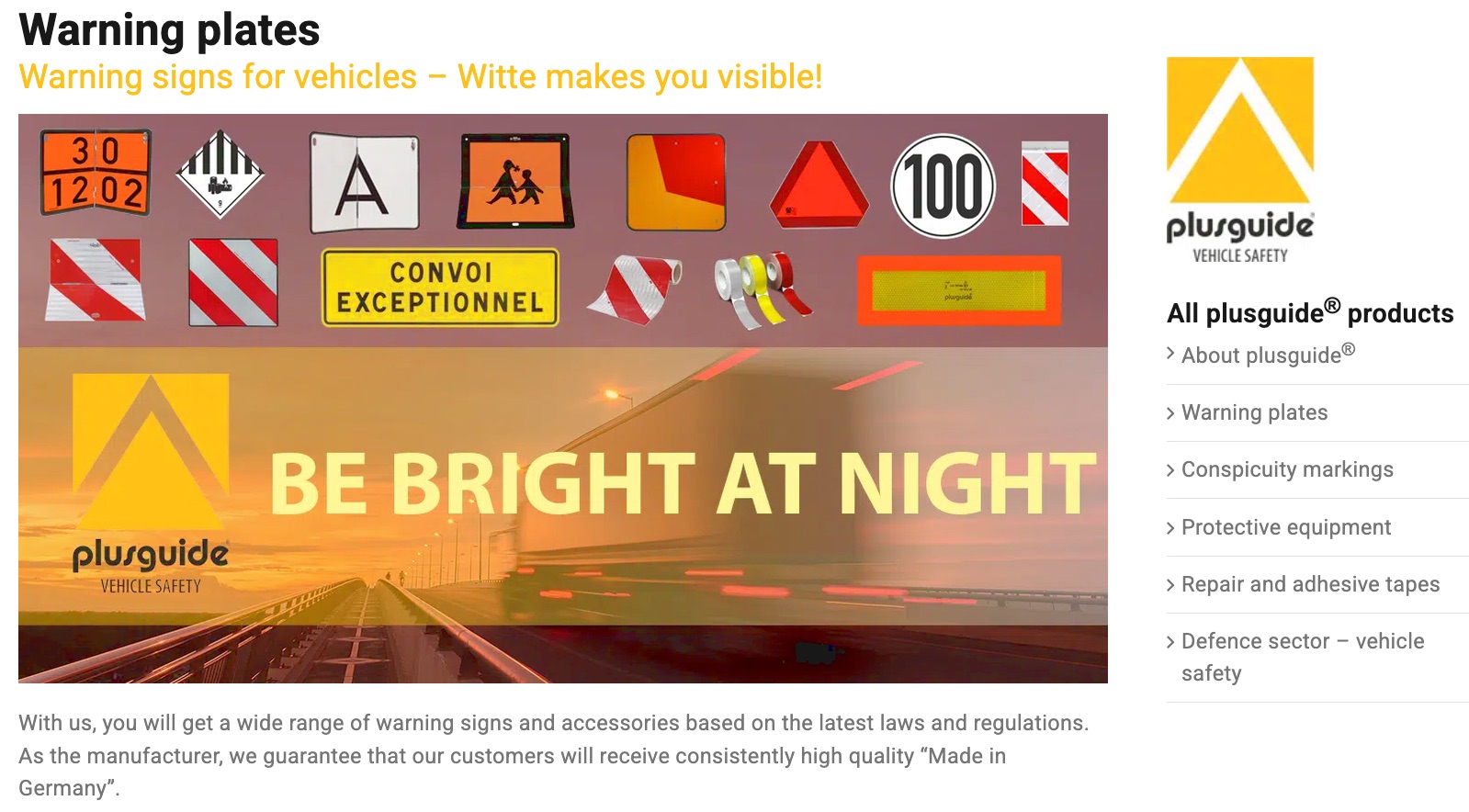
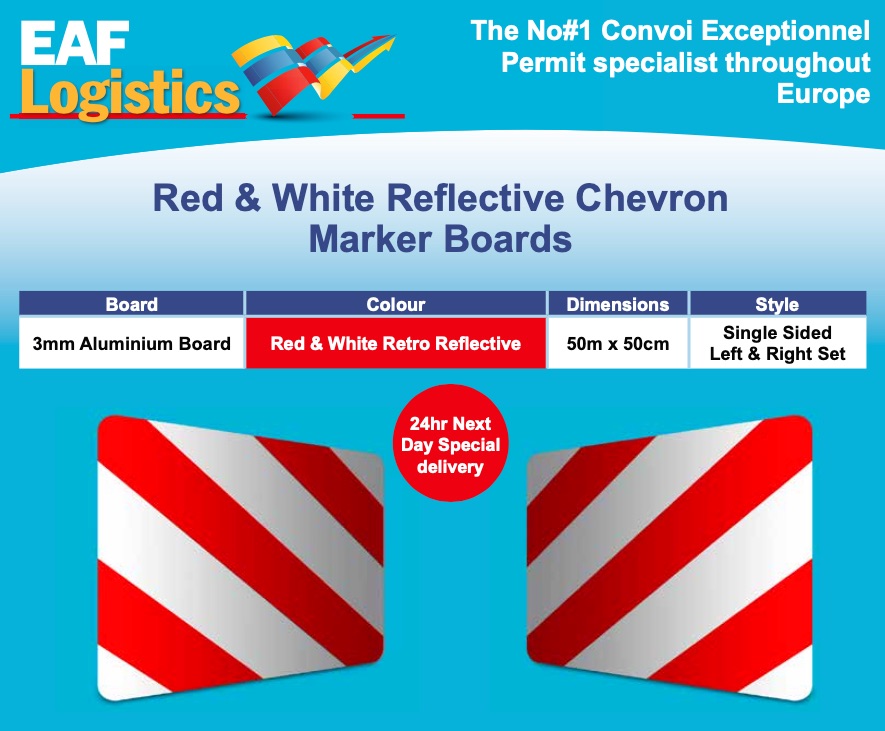
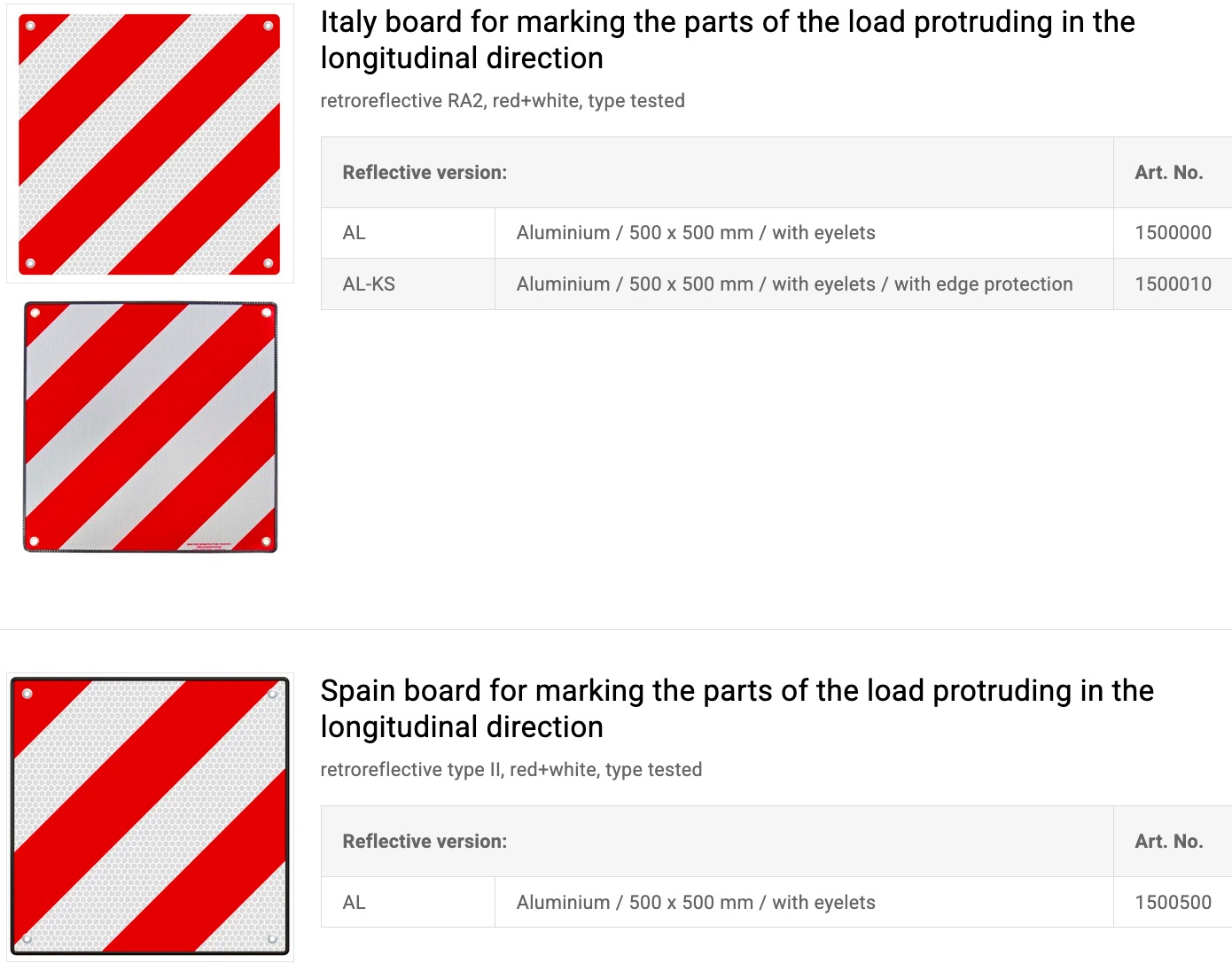
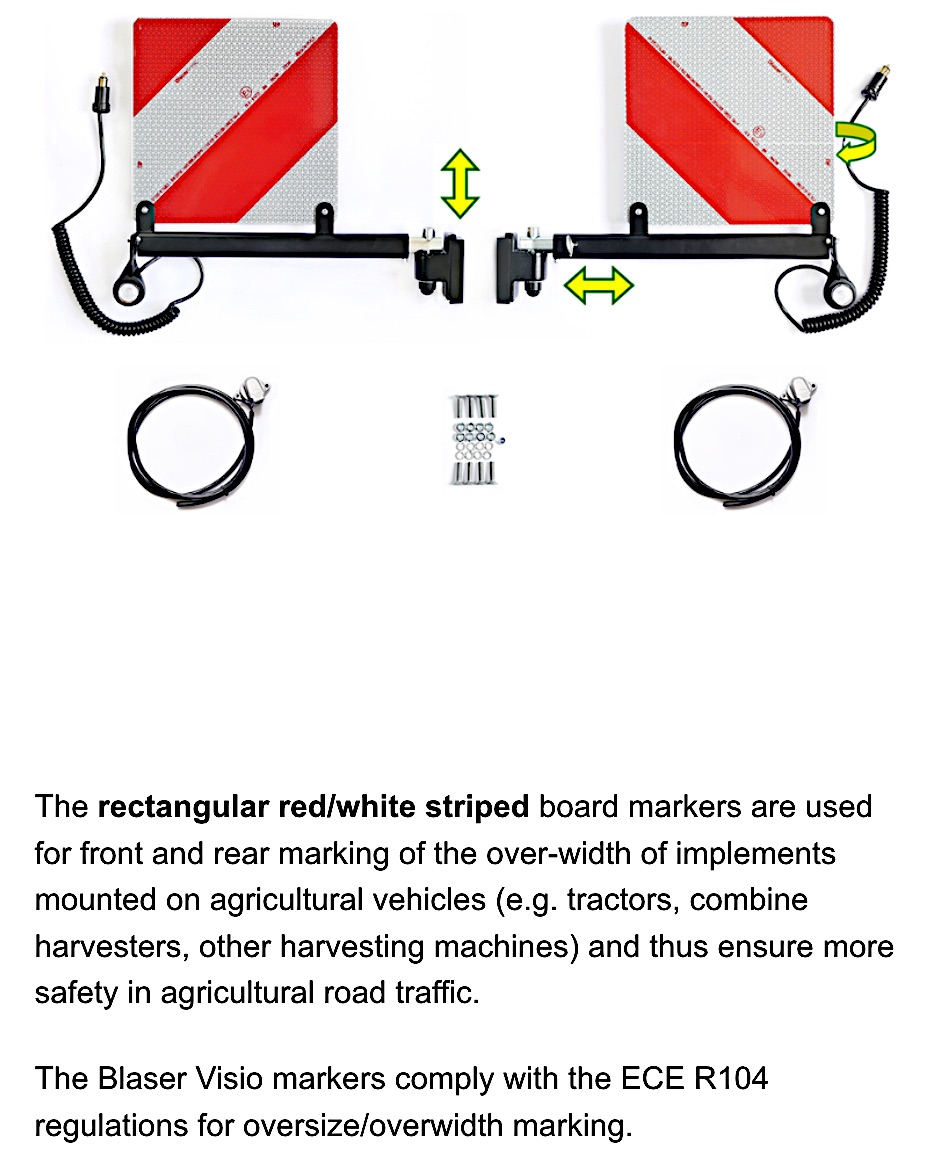
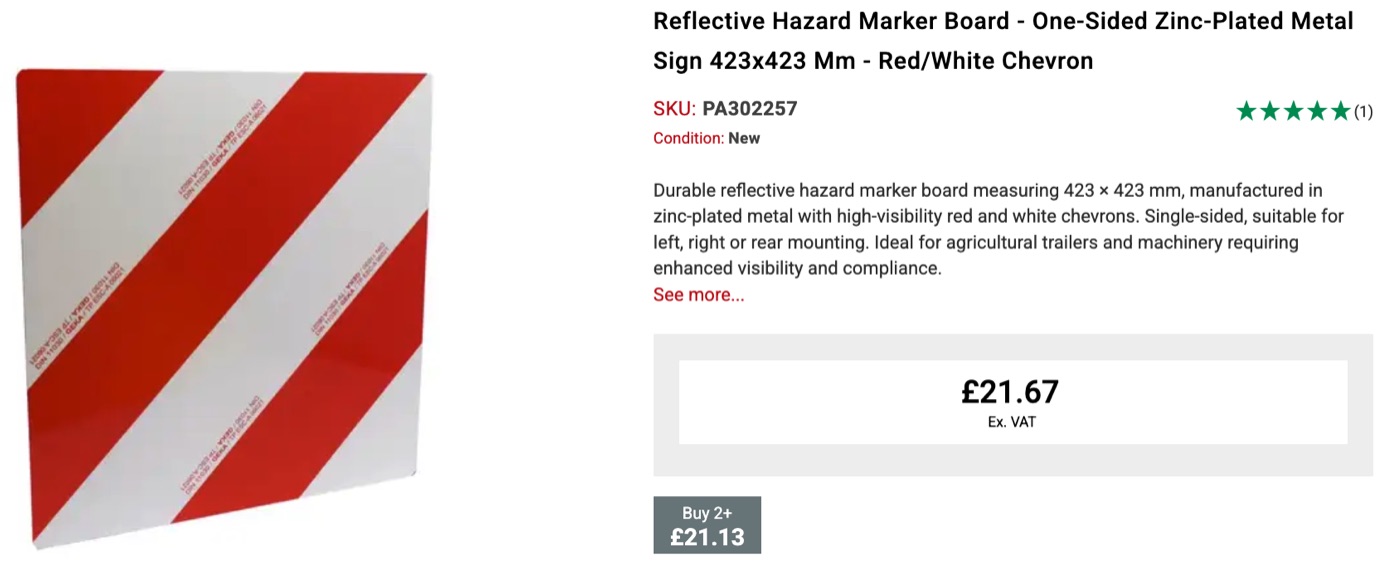
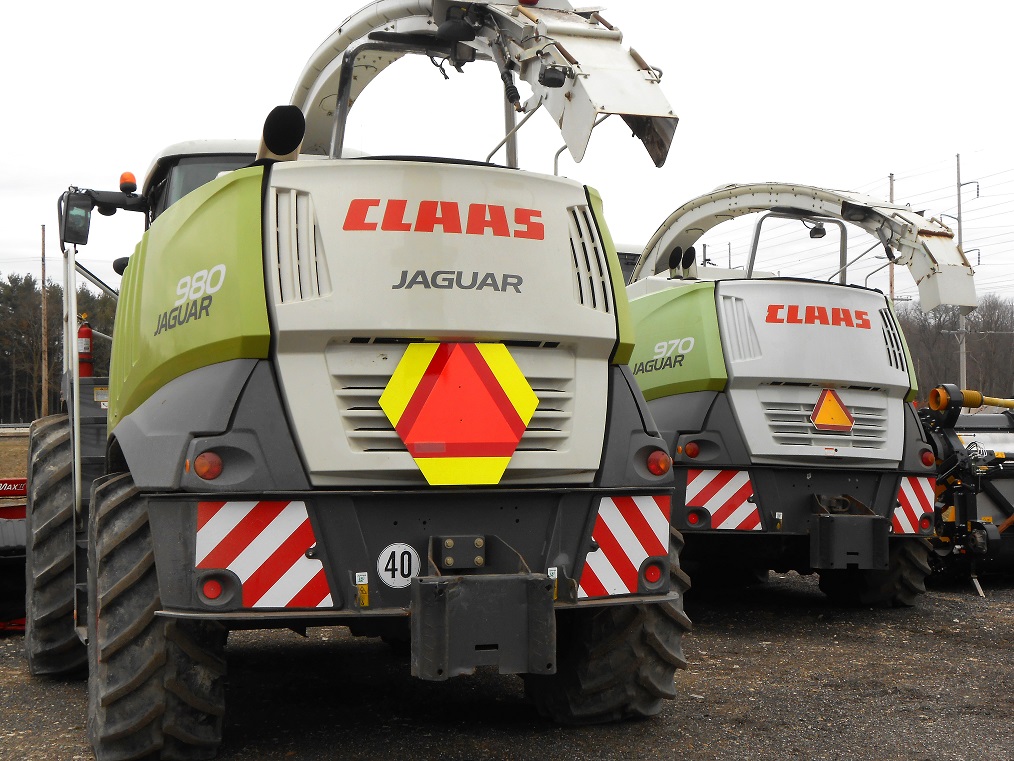
Upon seeing such dramatic safety effectiveness in this one, relatively-small country on the other side of the world, our curiosity was raised as to whether this development had migrated to Australia (…no) and what all online reference material on it could be found. It was already known to us that Claas sold harvesters in the US equipped with European Union red-and-white chevron panels, as seen in the “BIG T-CT” page here. The Australian versions of such panels found are less-effective yellow-and-red versions… not much better than the E.U.’s
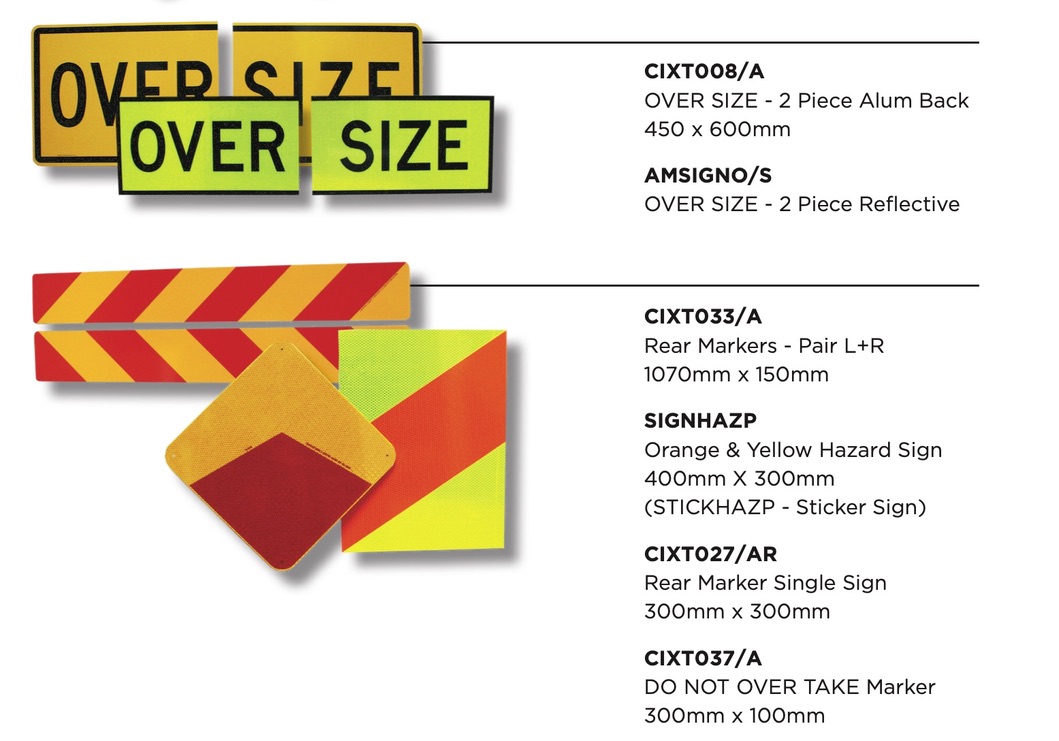
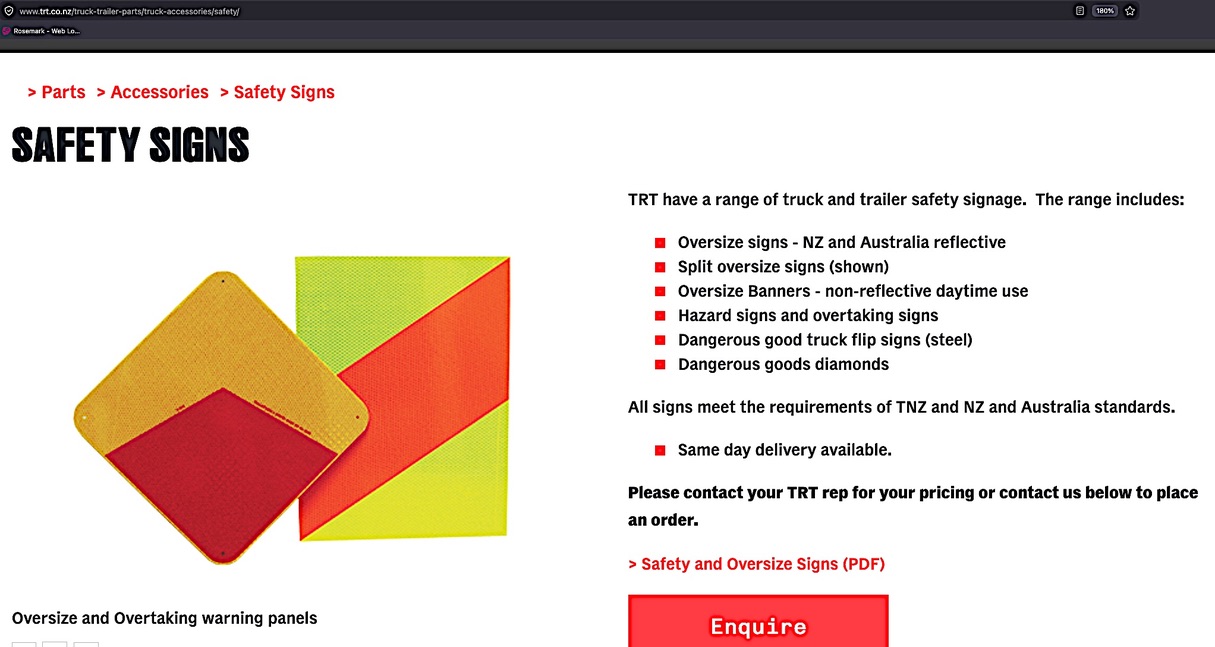
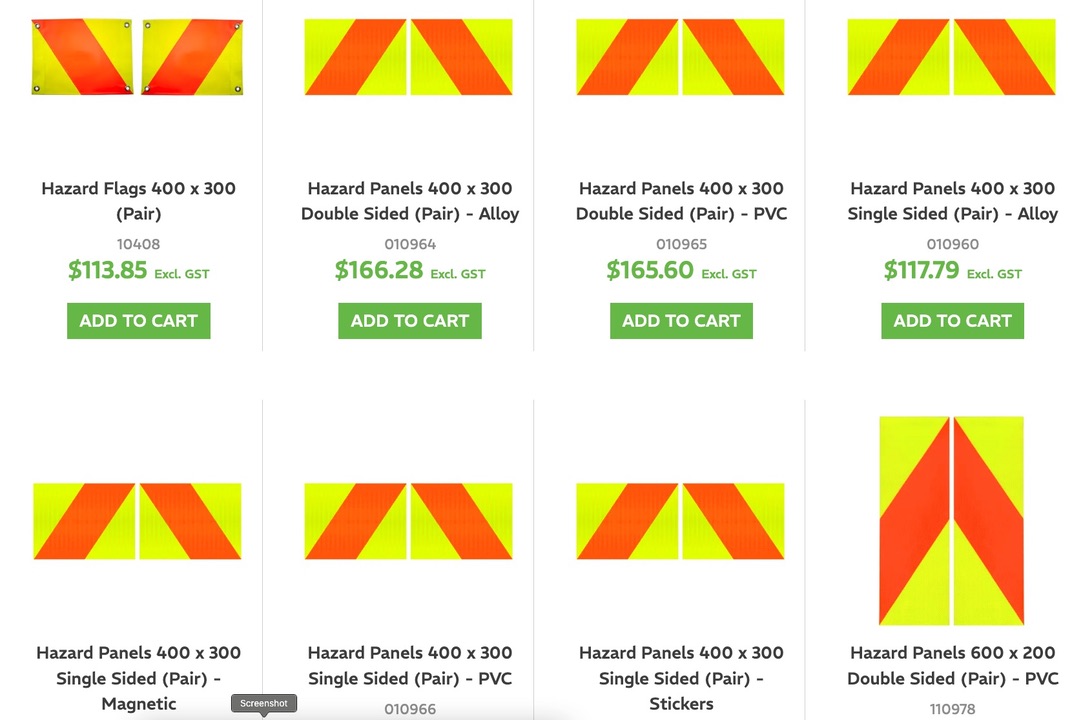
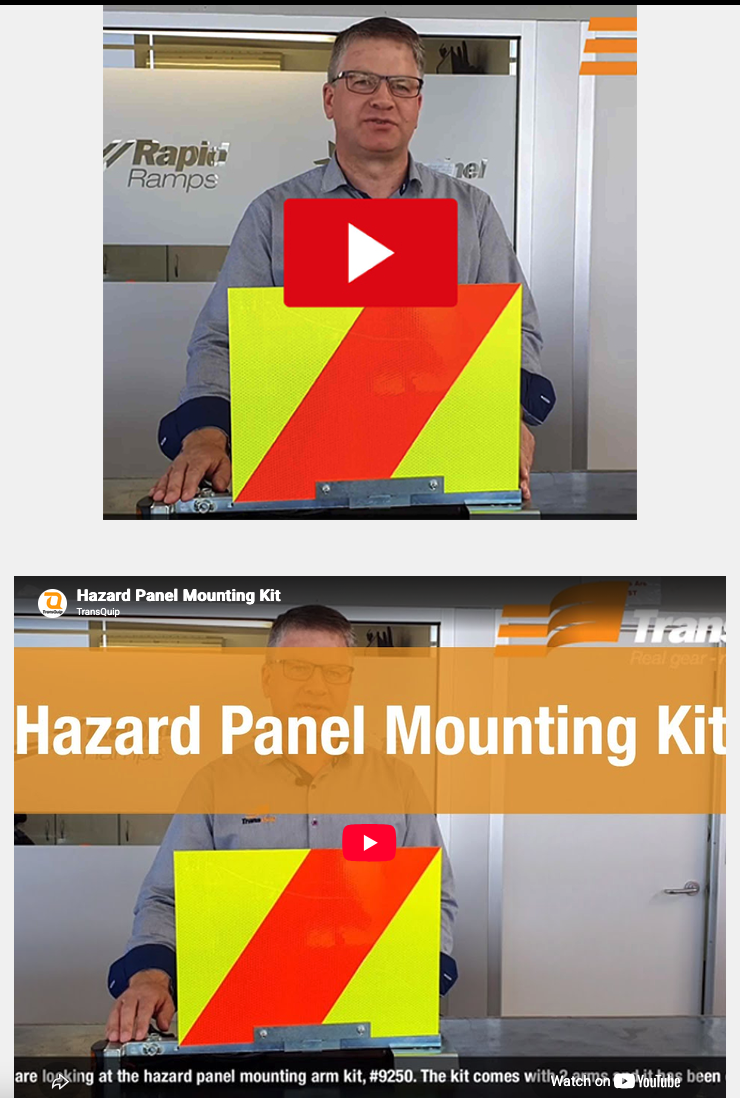
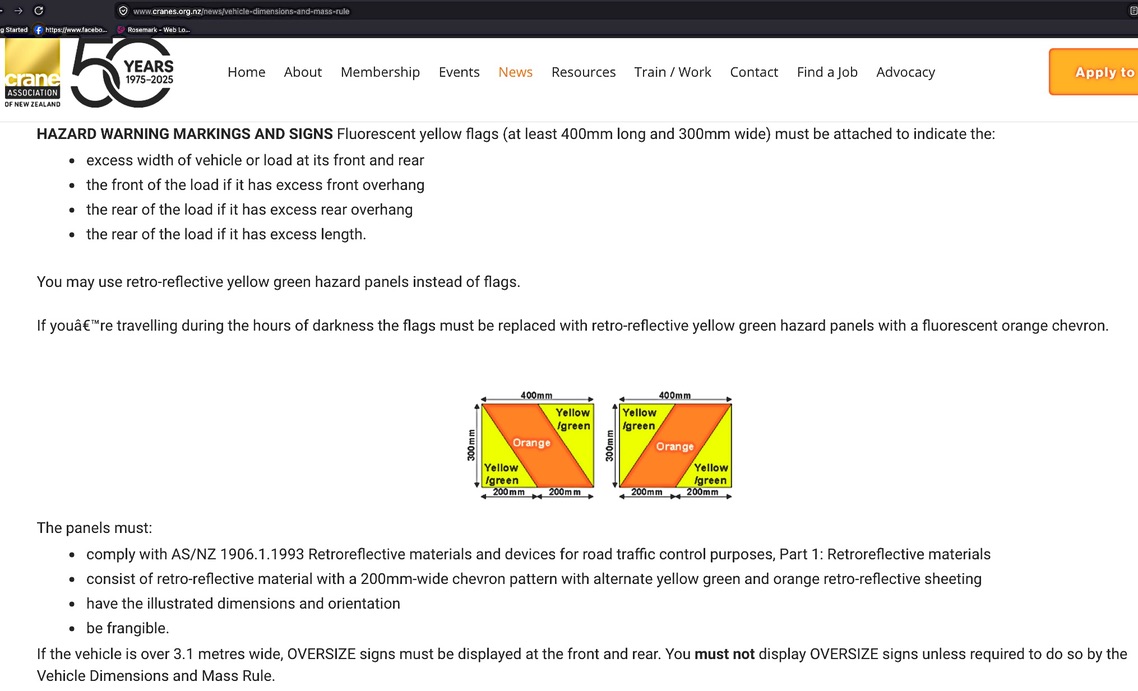
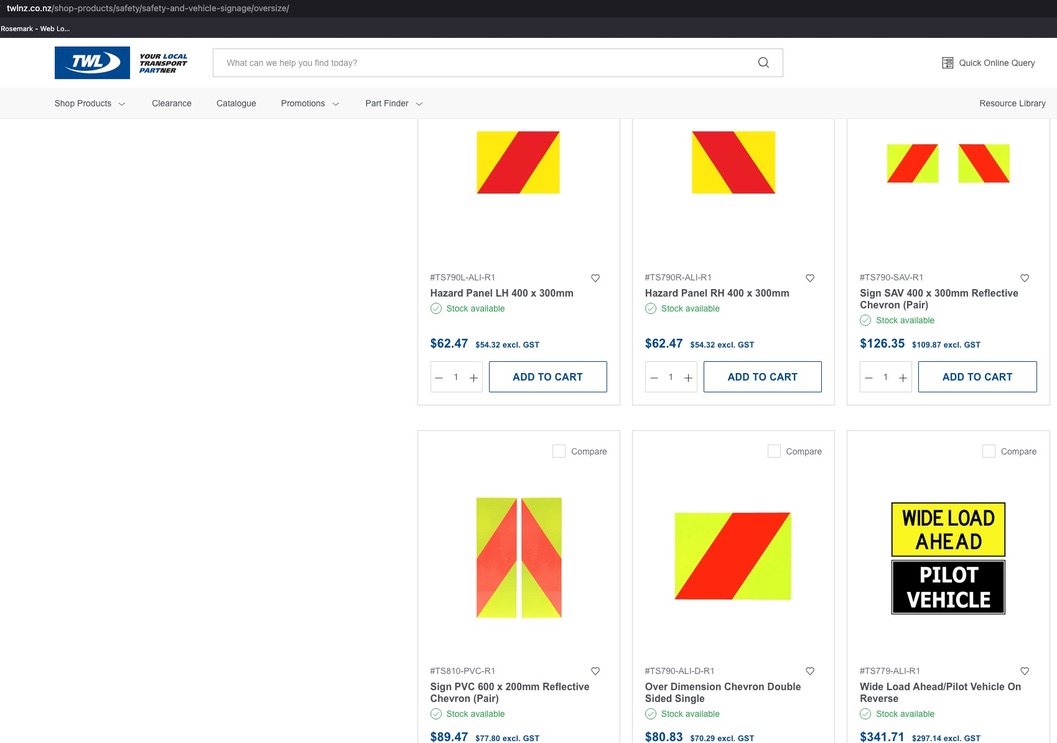
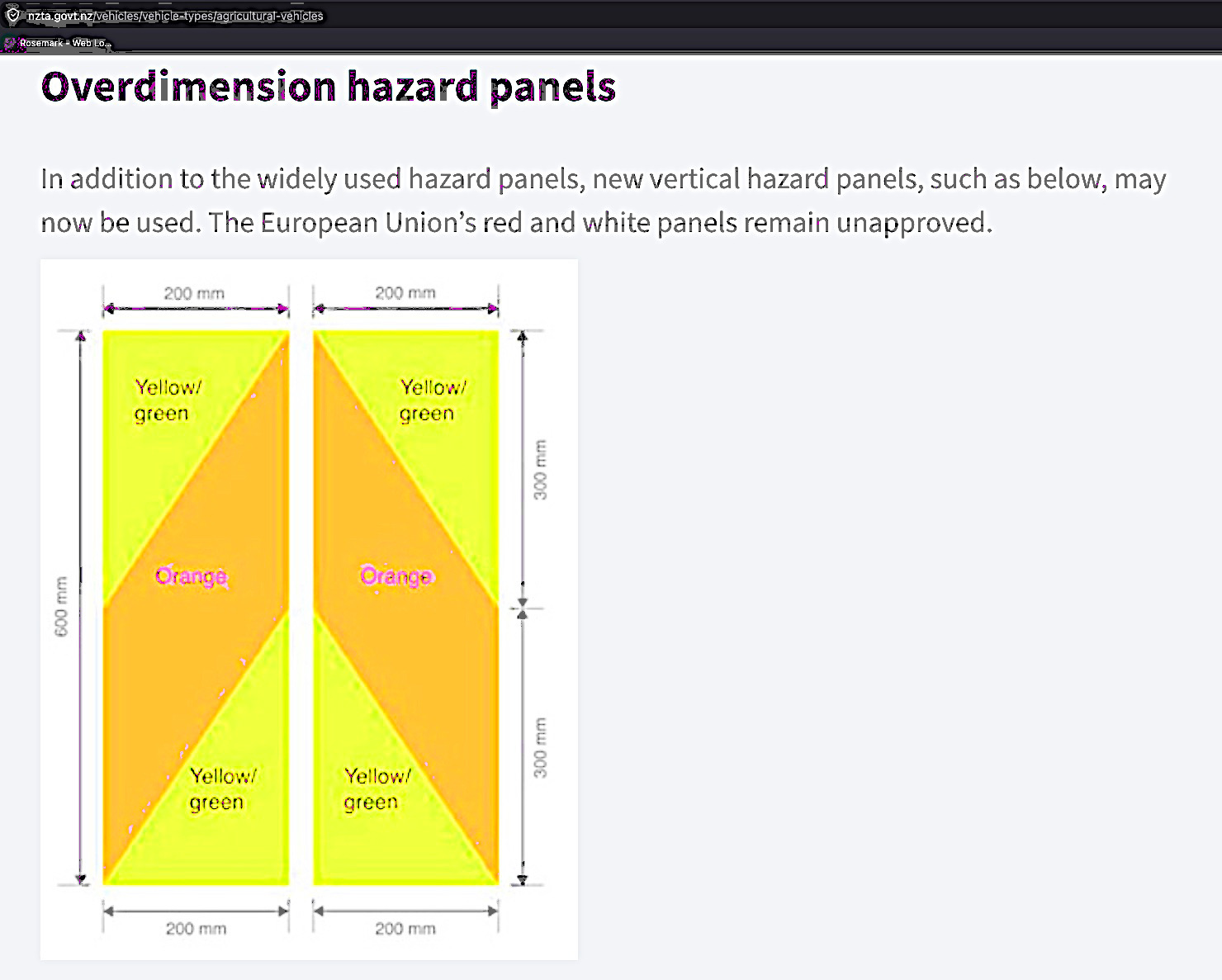
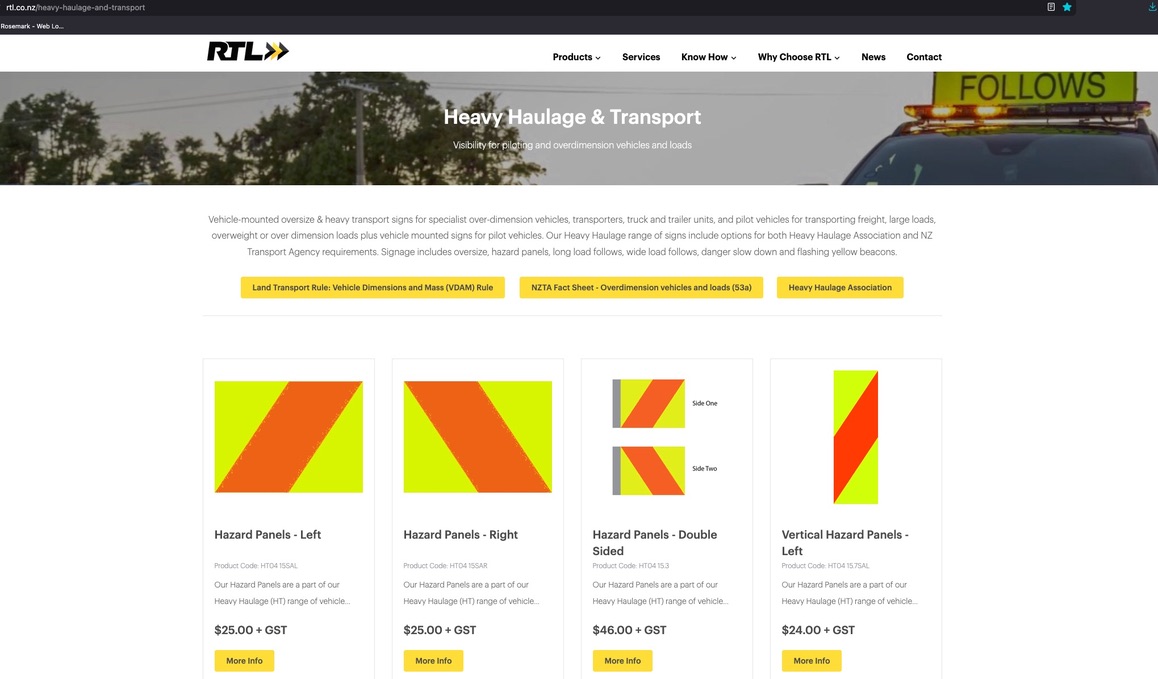
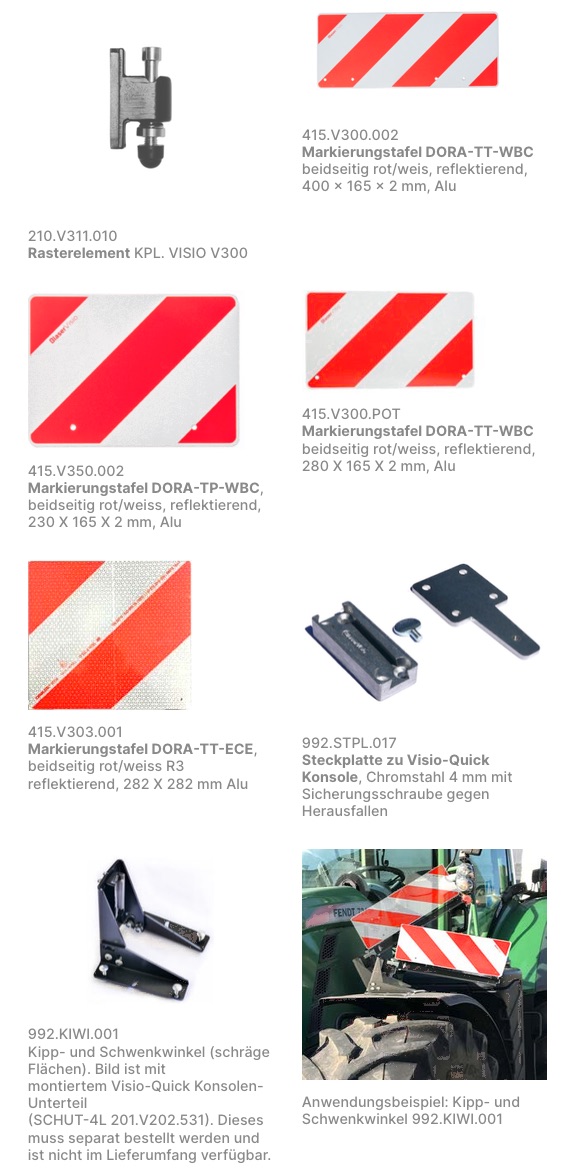
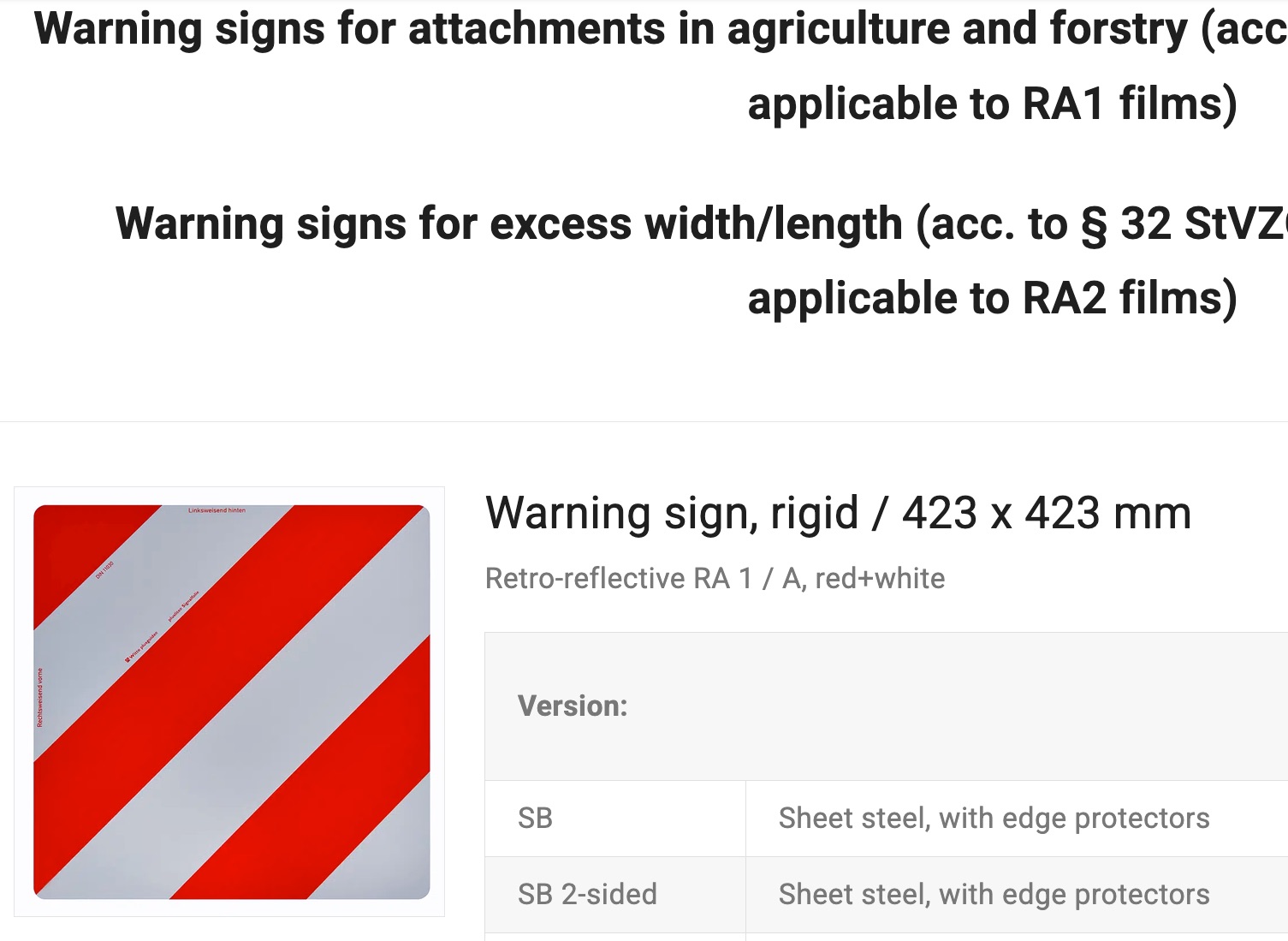
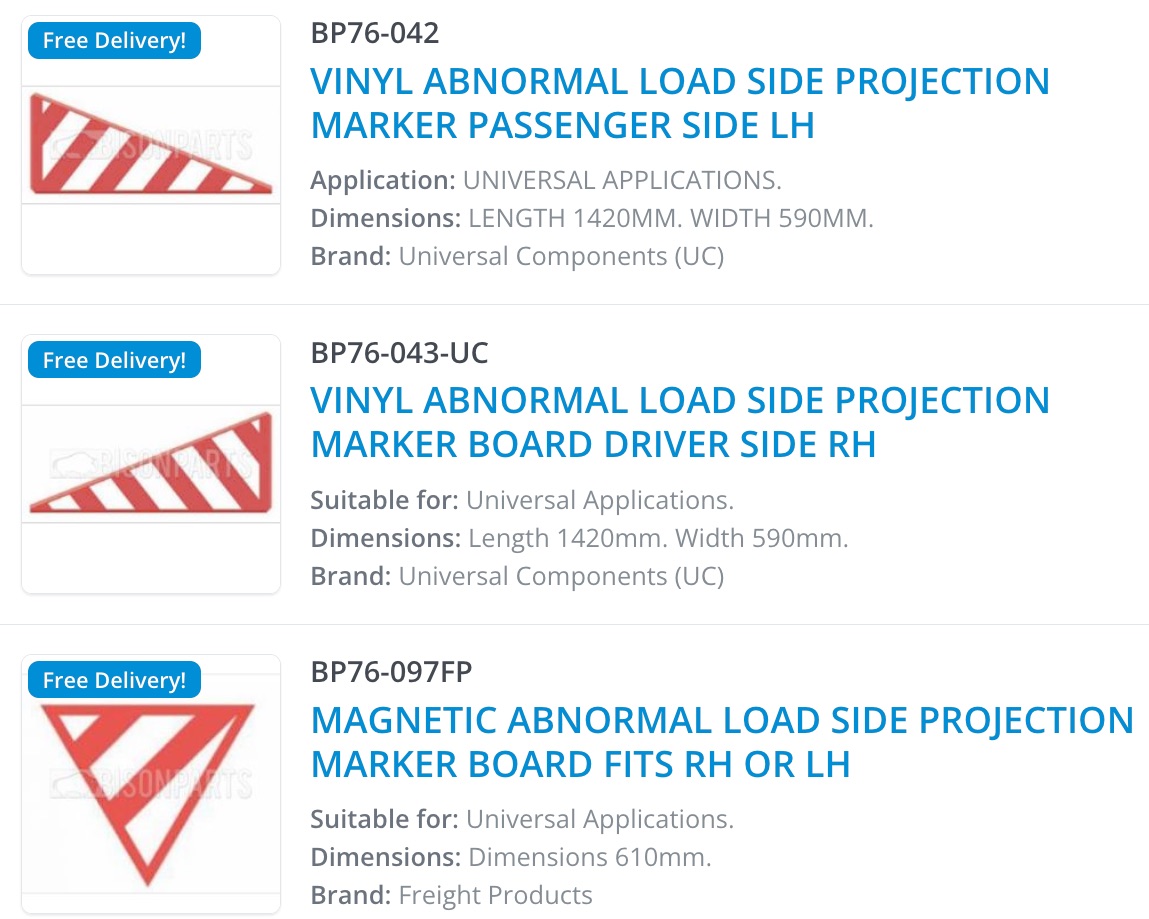
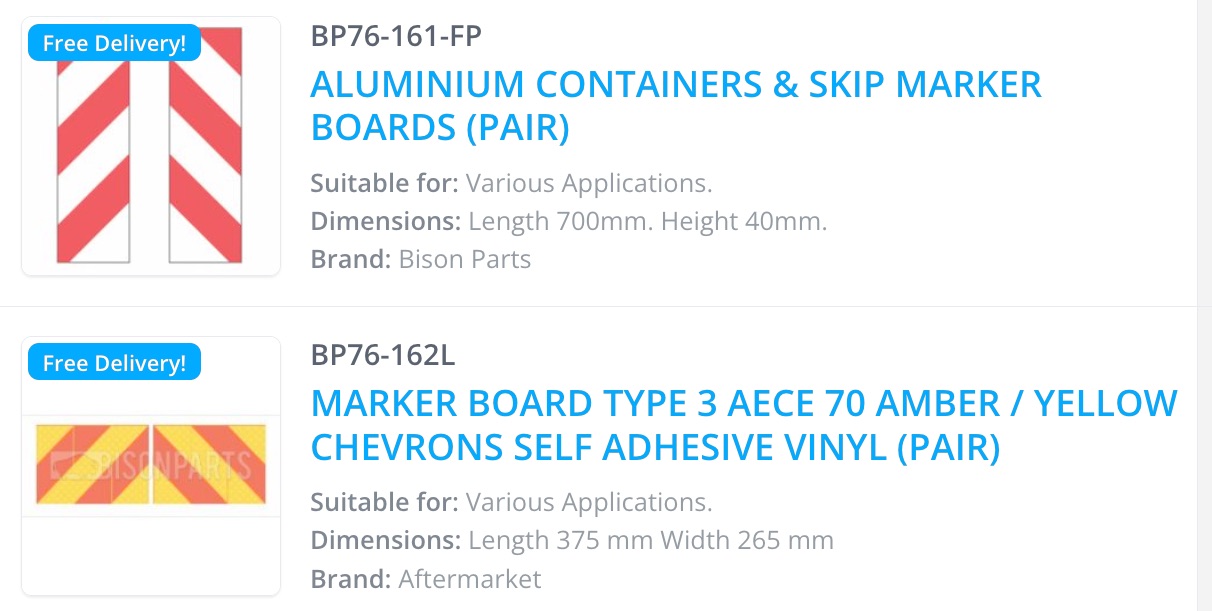
Both as a public service and to drive home again the visual effectiveness of the colors and materials of the T-CT, we present for educational, comparative and demonstration purposes some of the screenshots captured from these videos, along with related N.Z. government materials and N.Z. commercial websites, plus E.U.-oriented screenshots of their red-and-white panels for comparison.
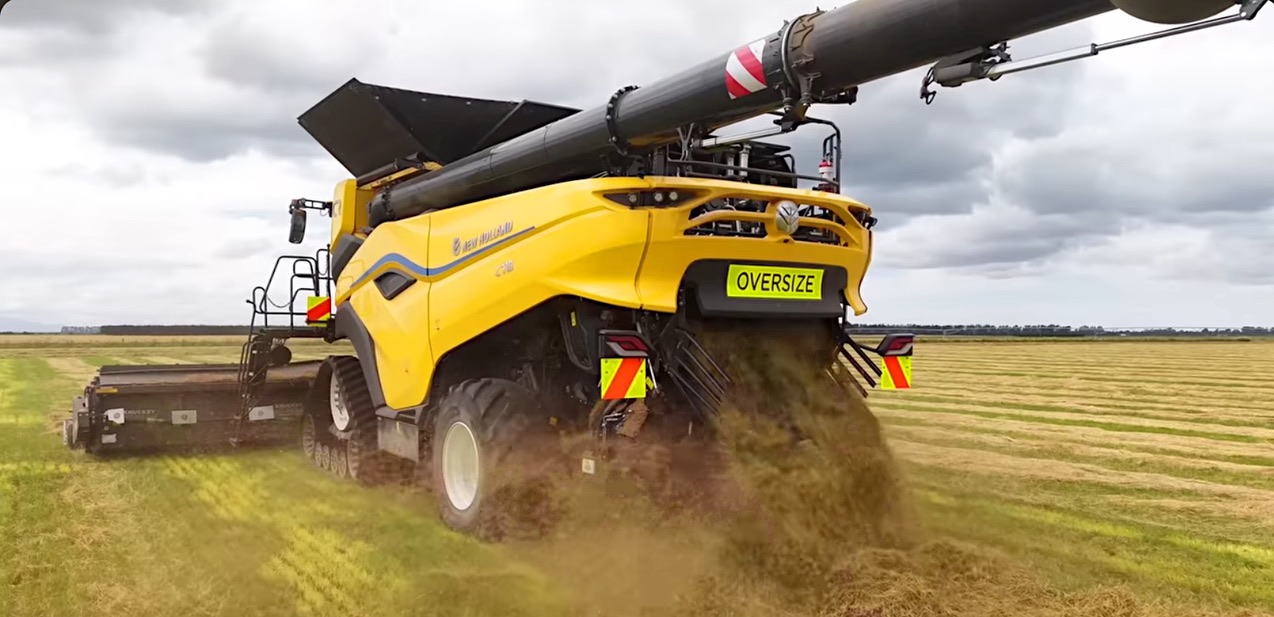
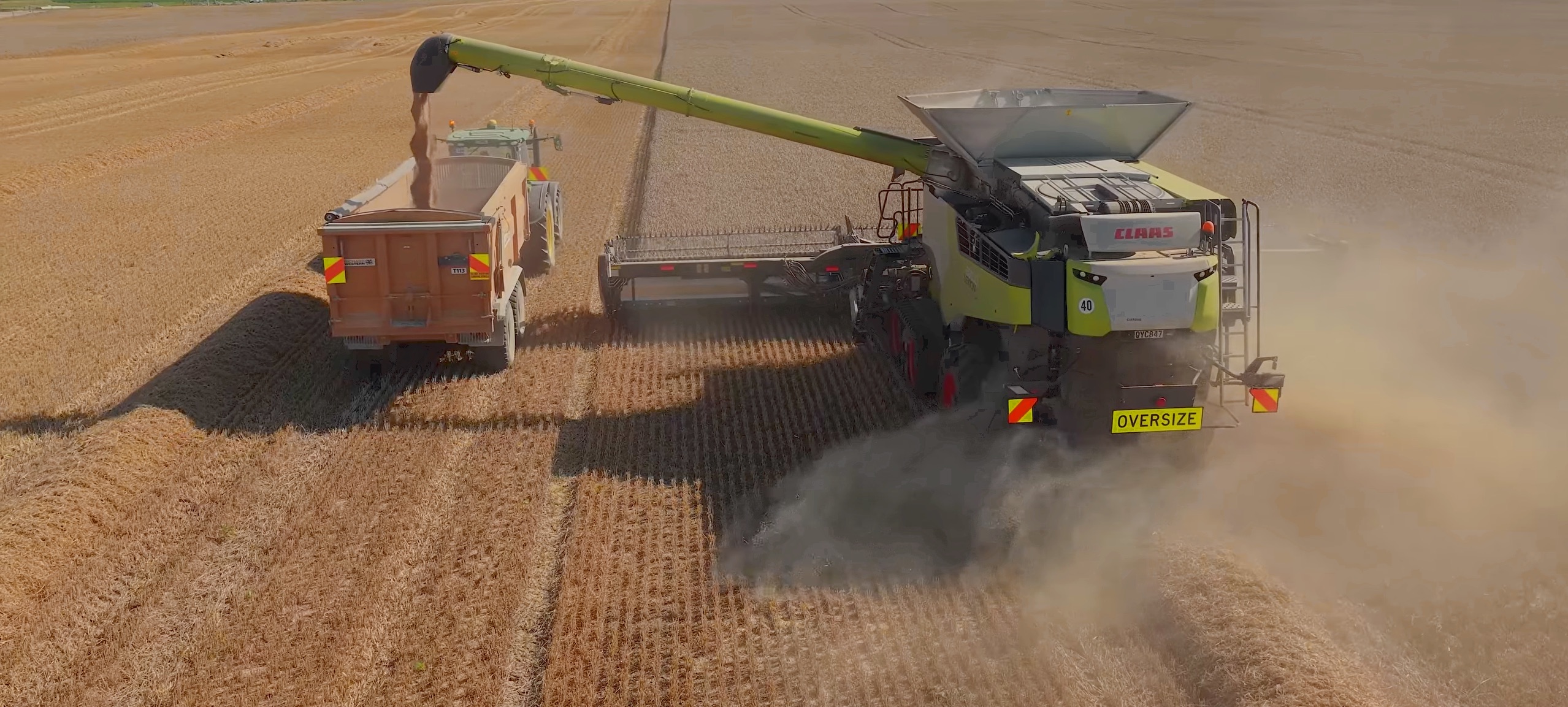
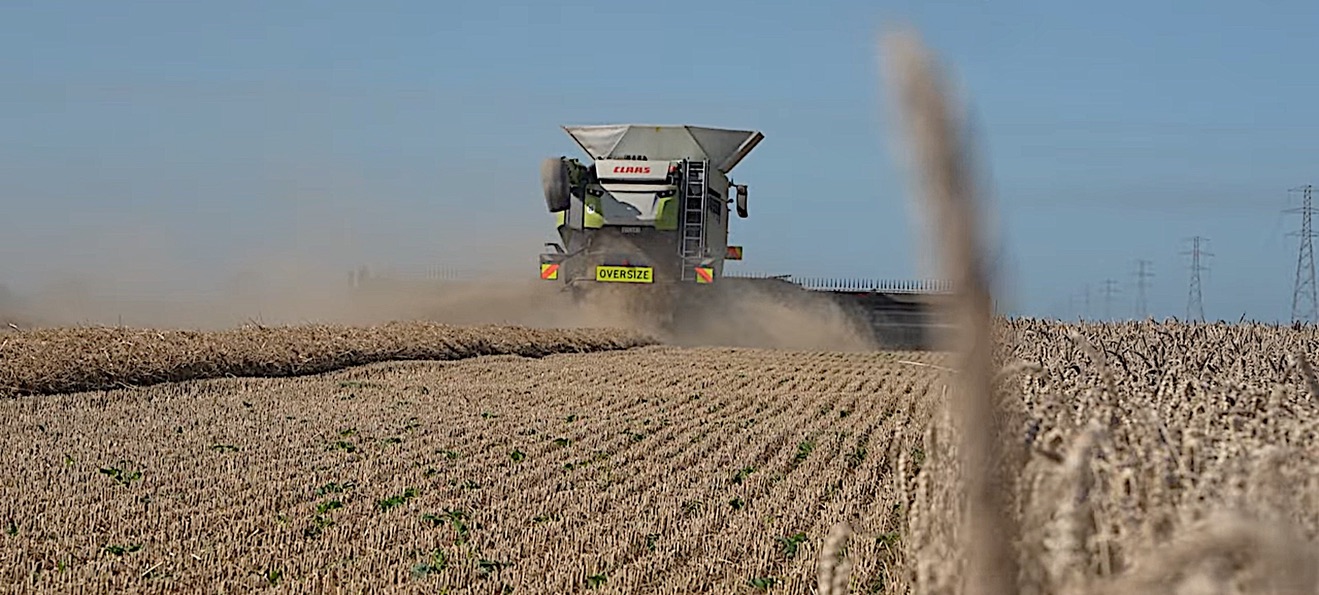
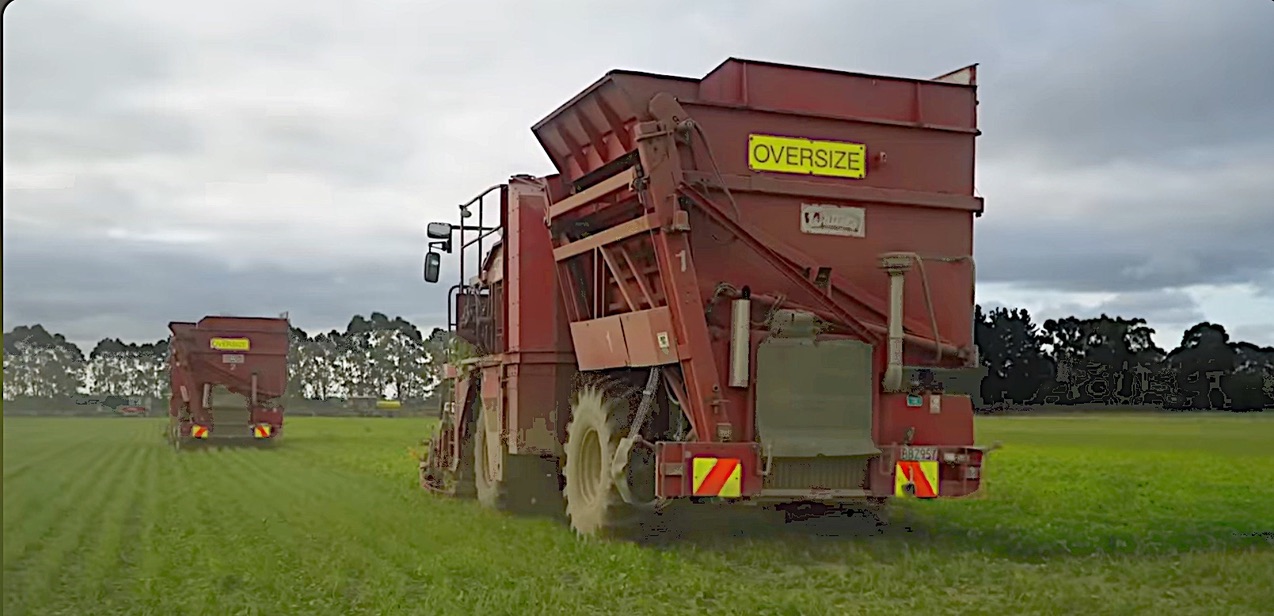
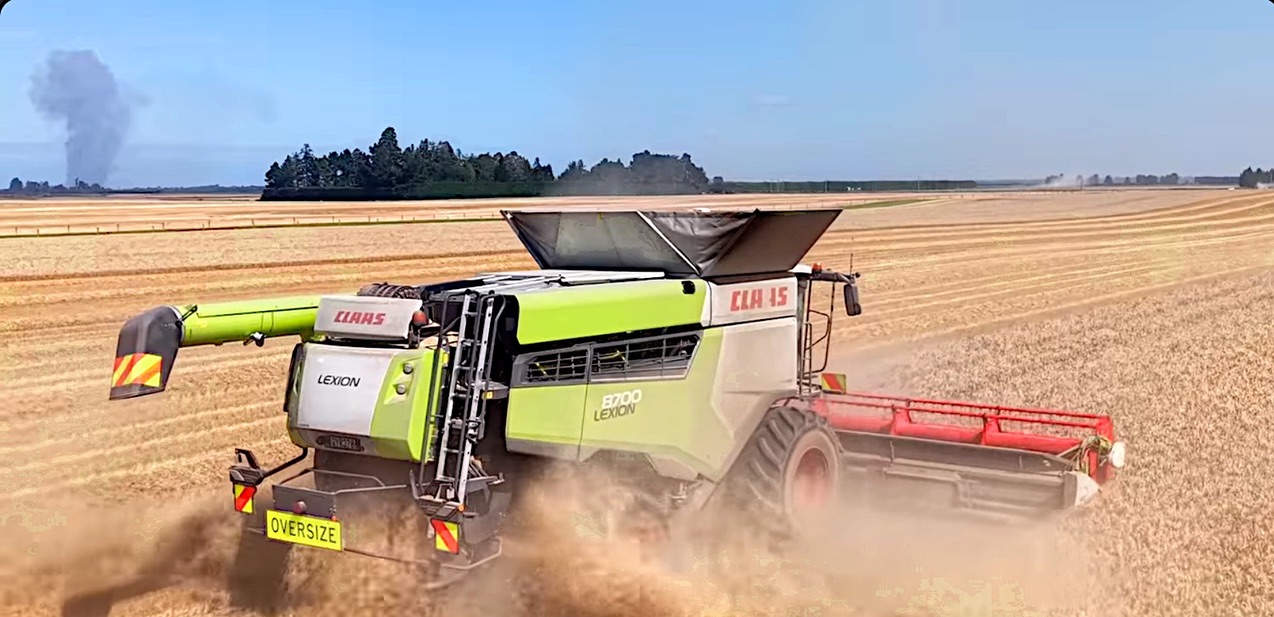
How, in light of the existence of such dramatically-effective agricultural signage on a countrywide level, can the United States drag its feet on much-needed modern safety improvements for the basic SMV emblem (…the T-CT!) and consequently above-and-beyond advances such as New Zealand-type edge marking panels? N.Z. also has “Oversize” panels to go along with the width markers, which are often seen in the video’s screenshots. The extra color/size/retro-reflectivity of those panels of course helps to get oncoming motorists’ attention, though in the US and elsewhere we feel that the substitution of a “BIG T-CT” would be of equal or greater effectiveness.
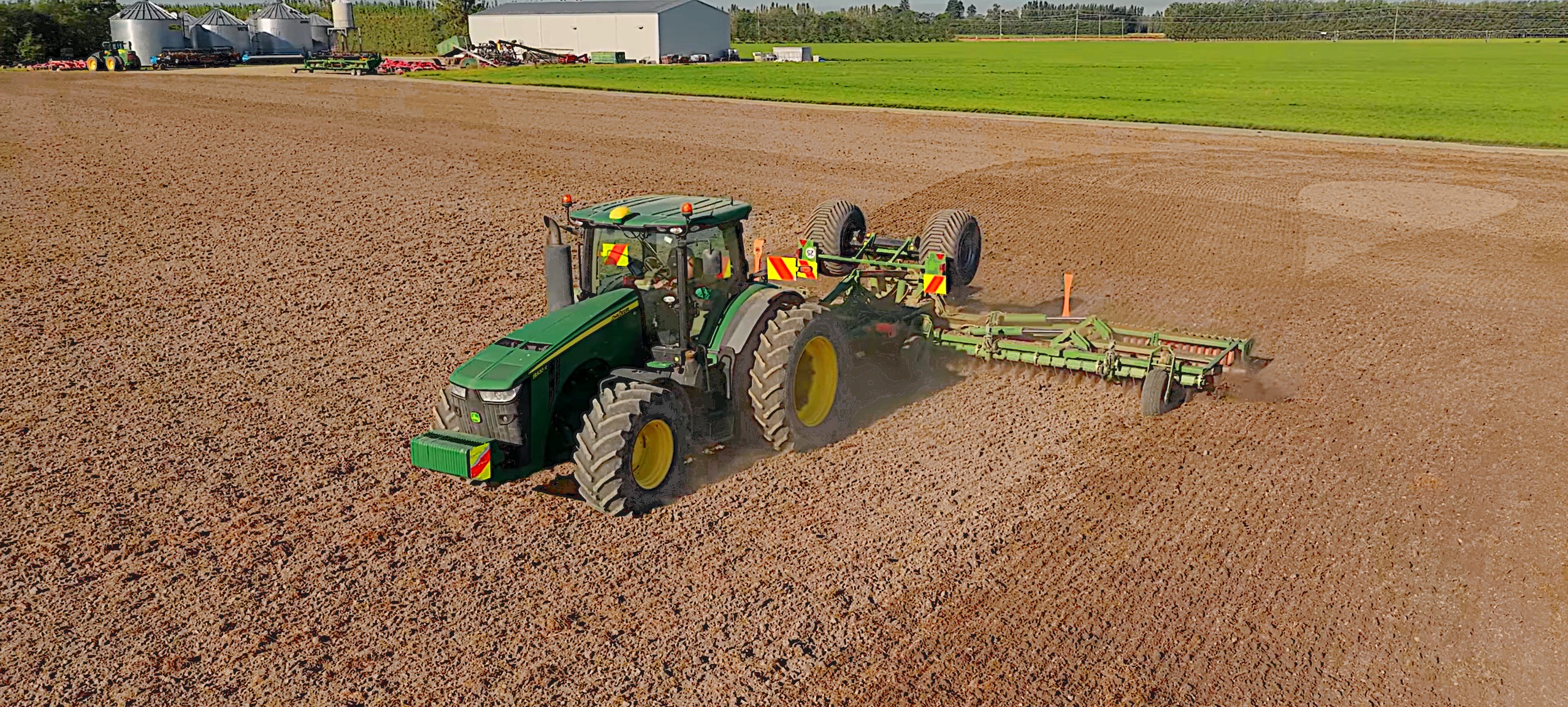
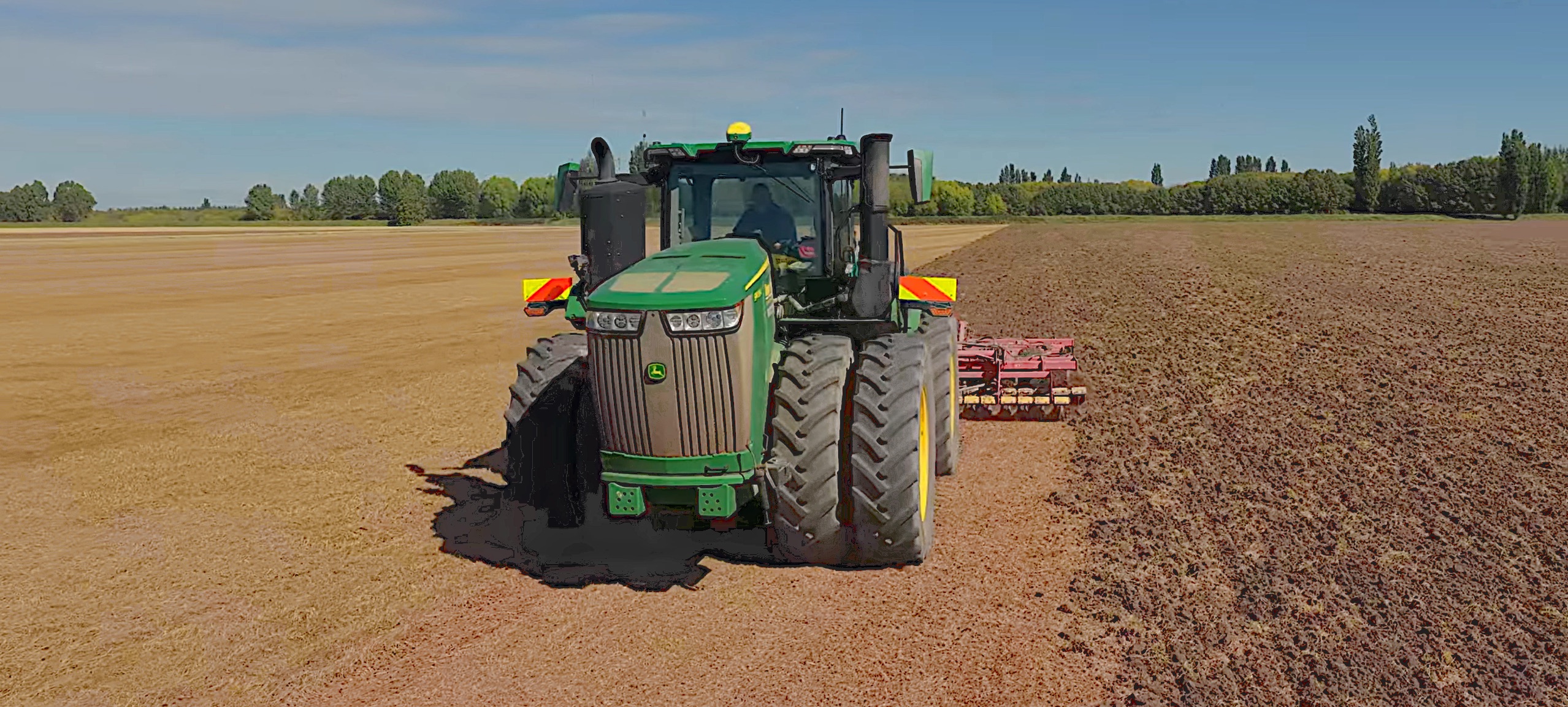
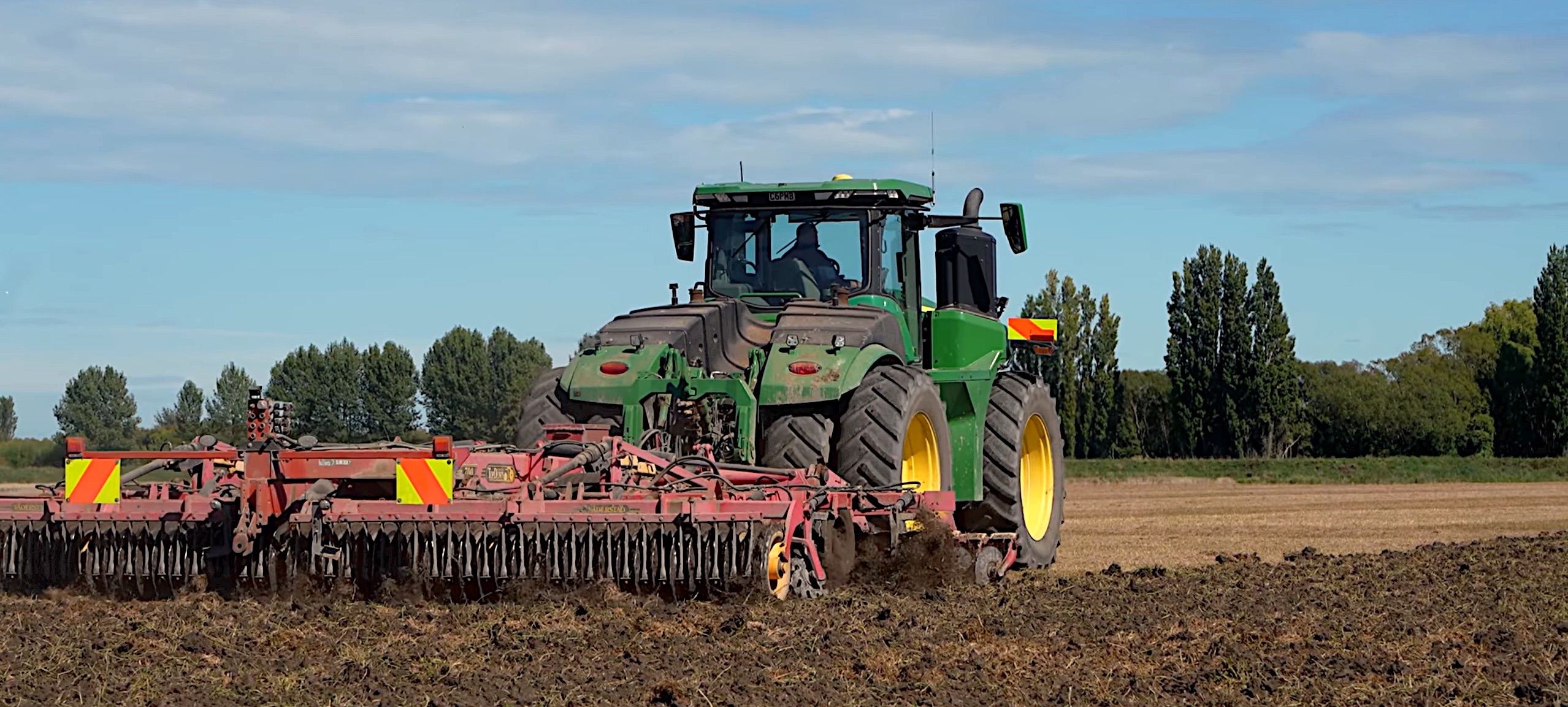
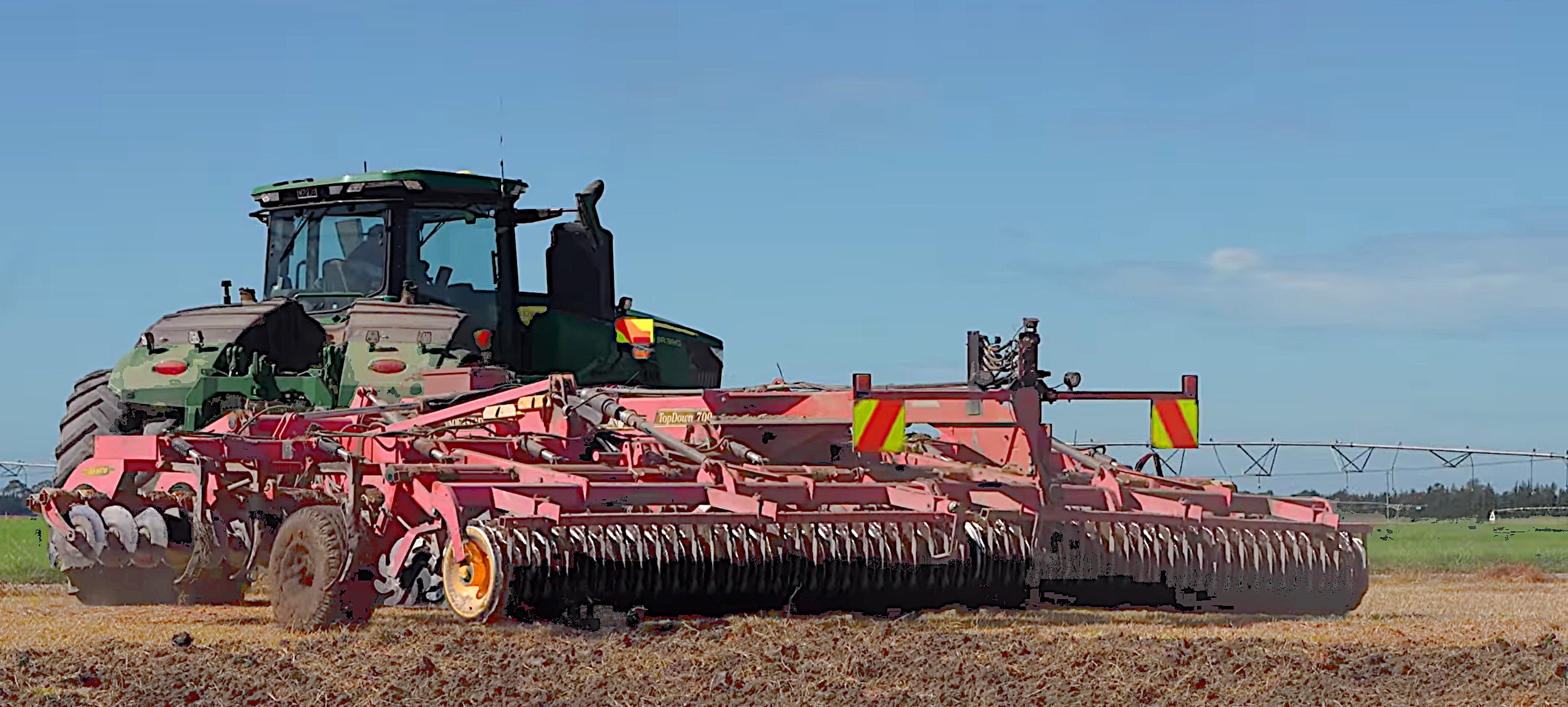
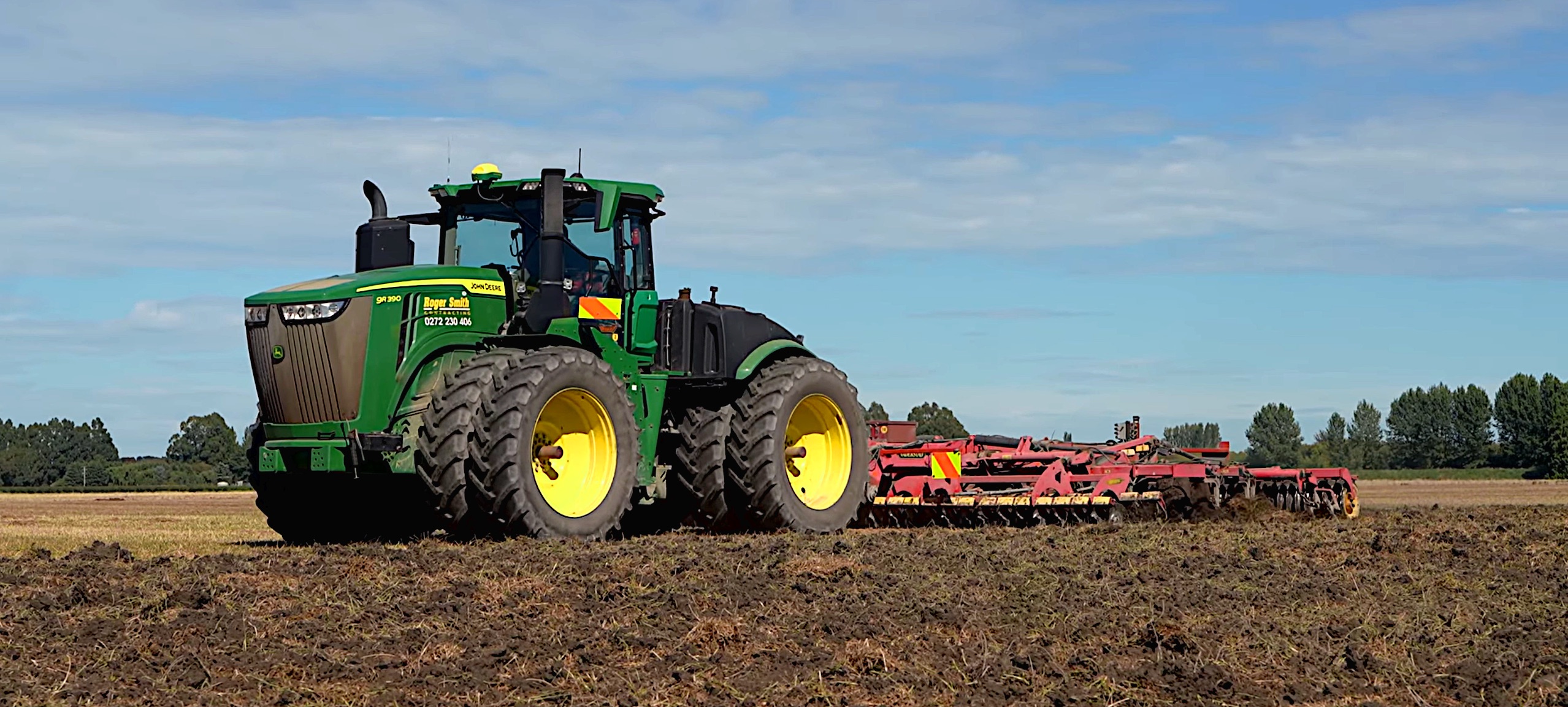
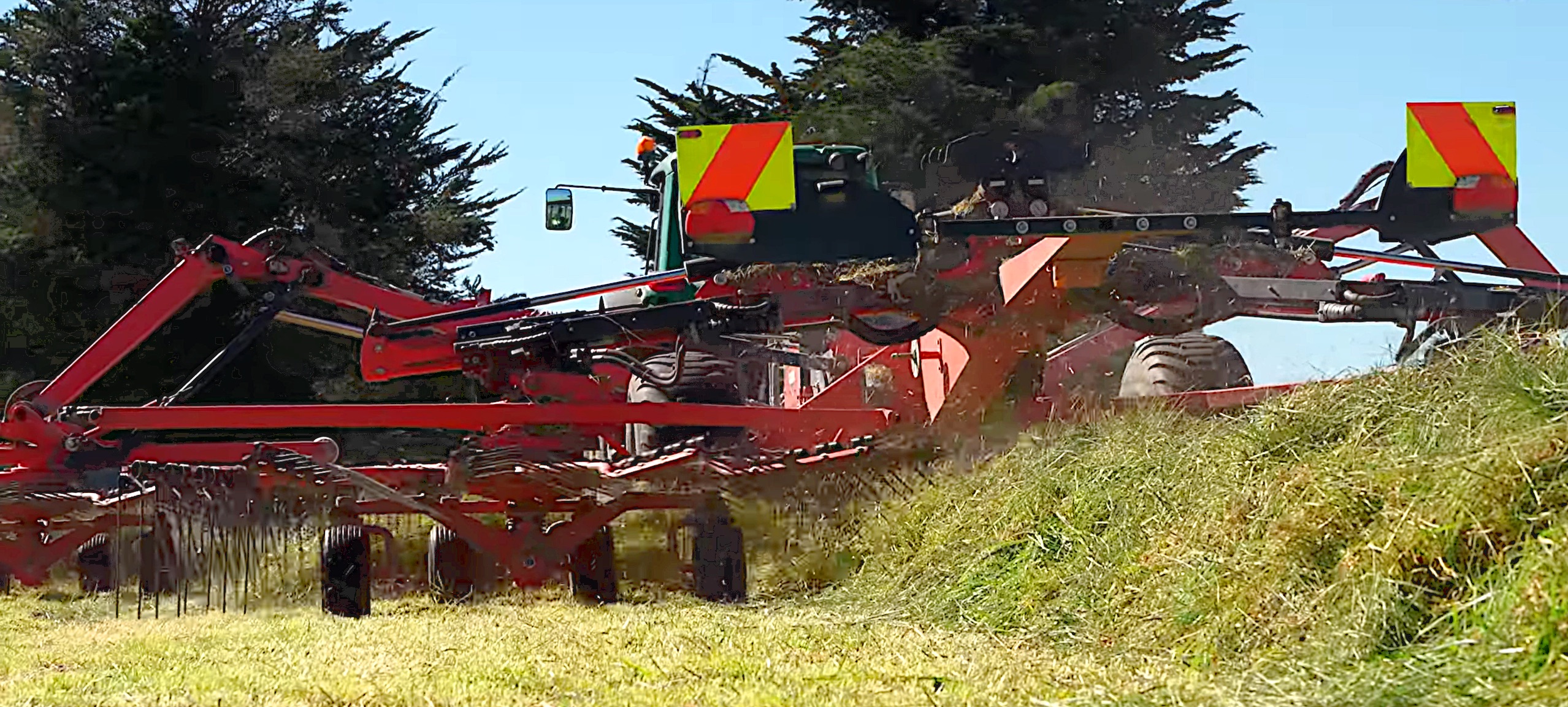
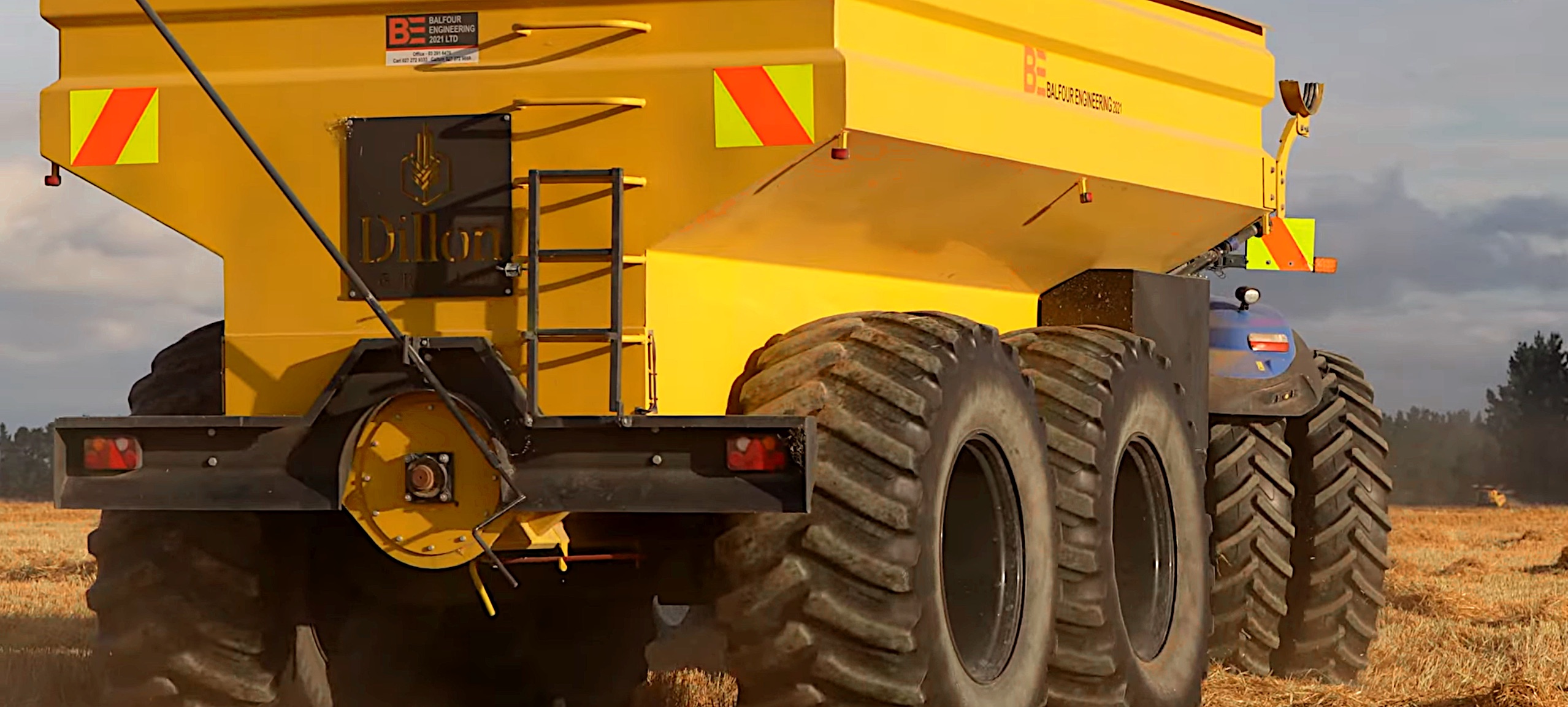
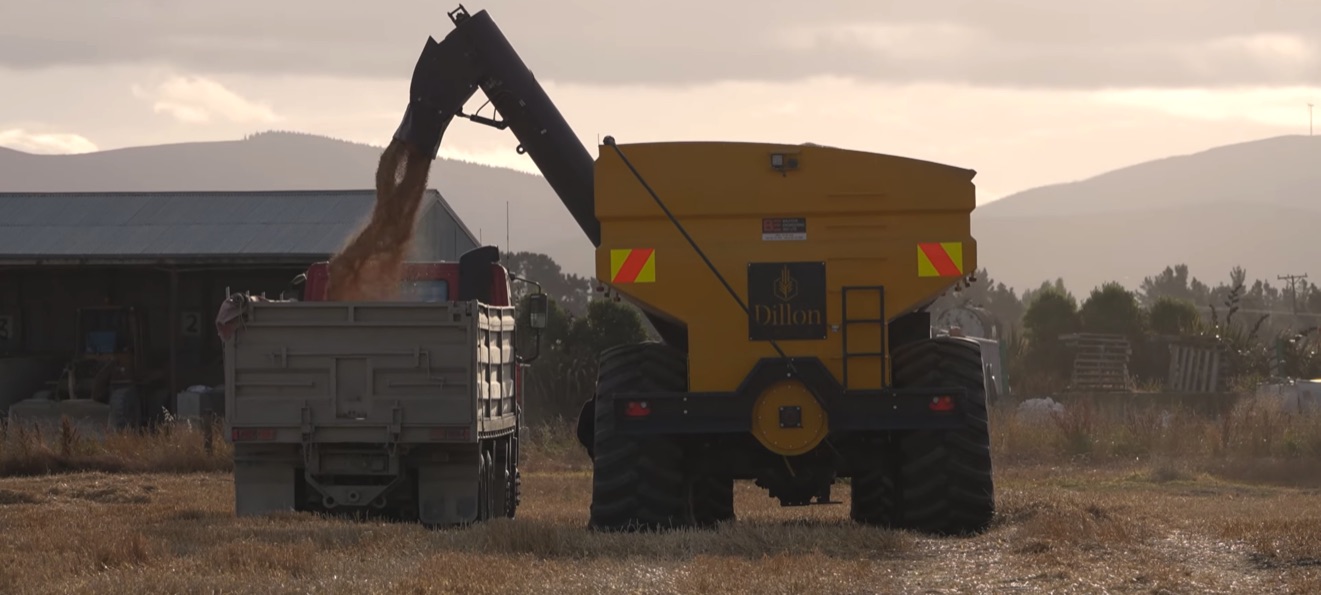
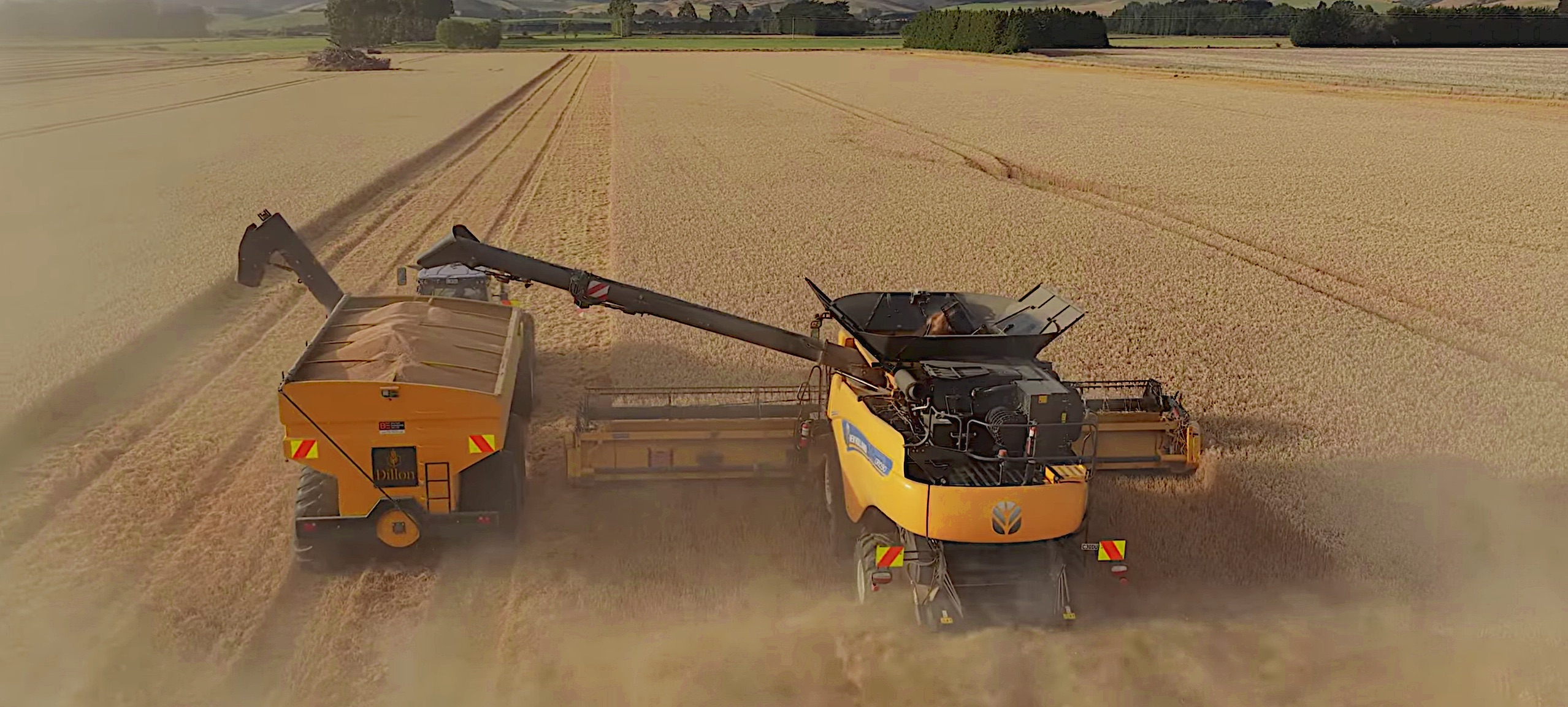
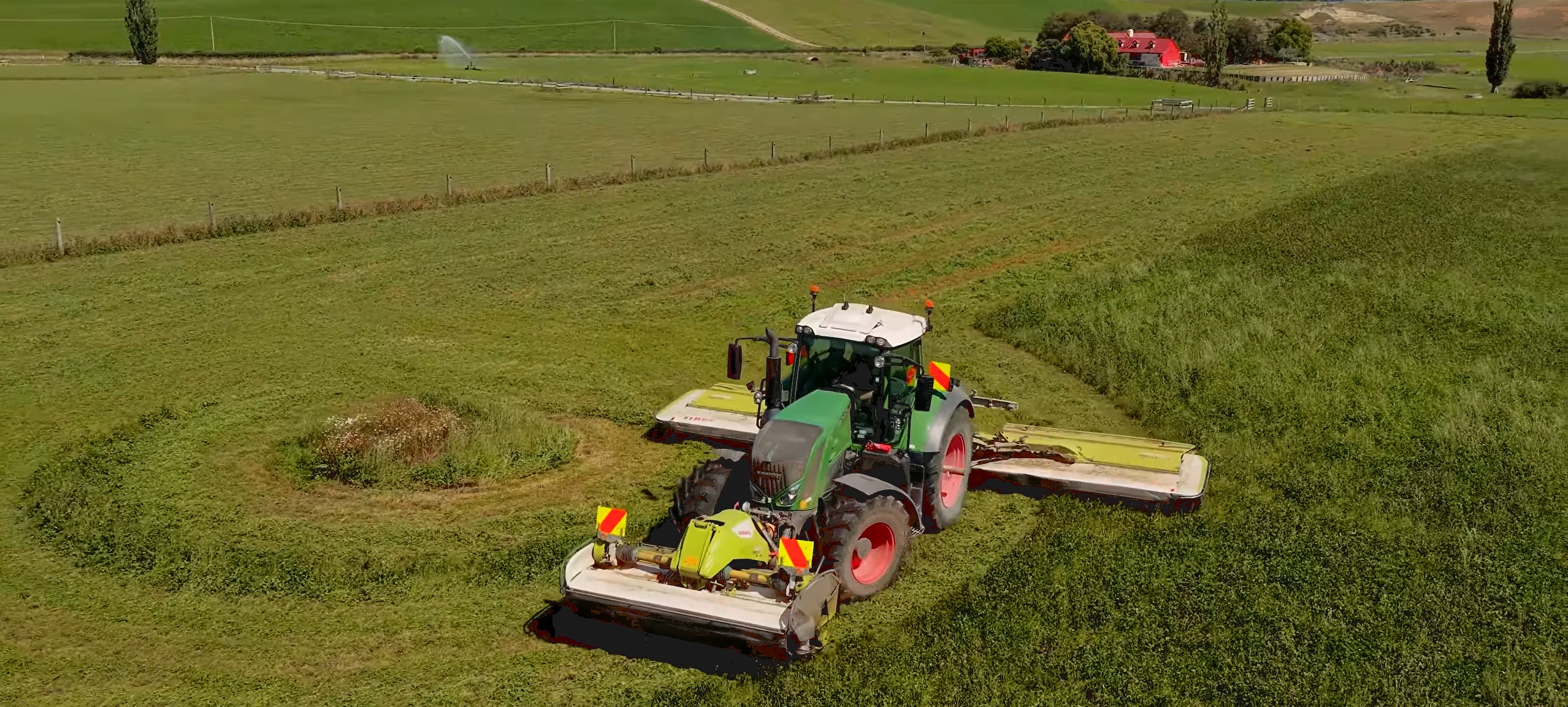
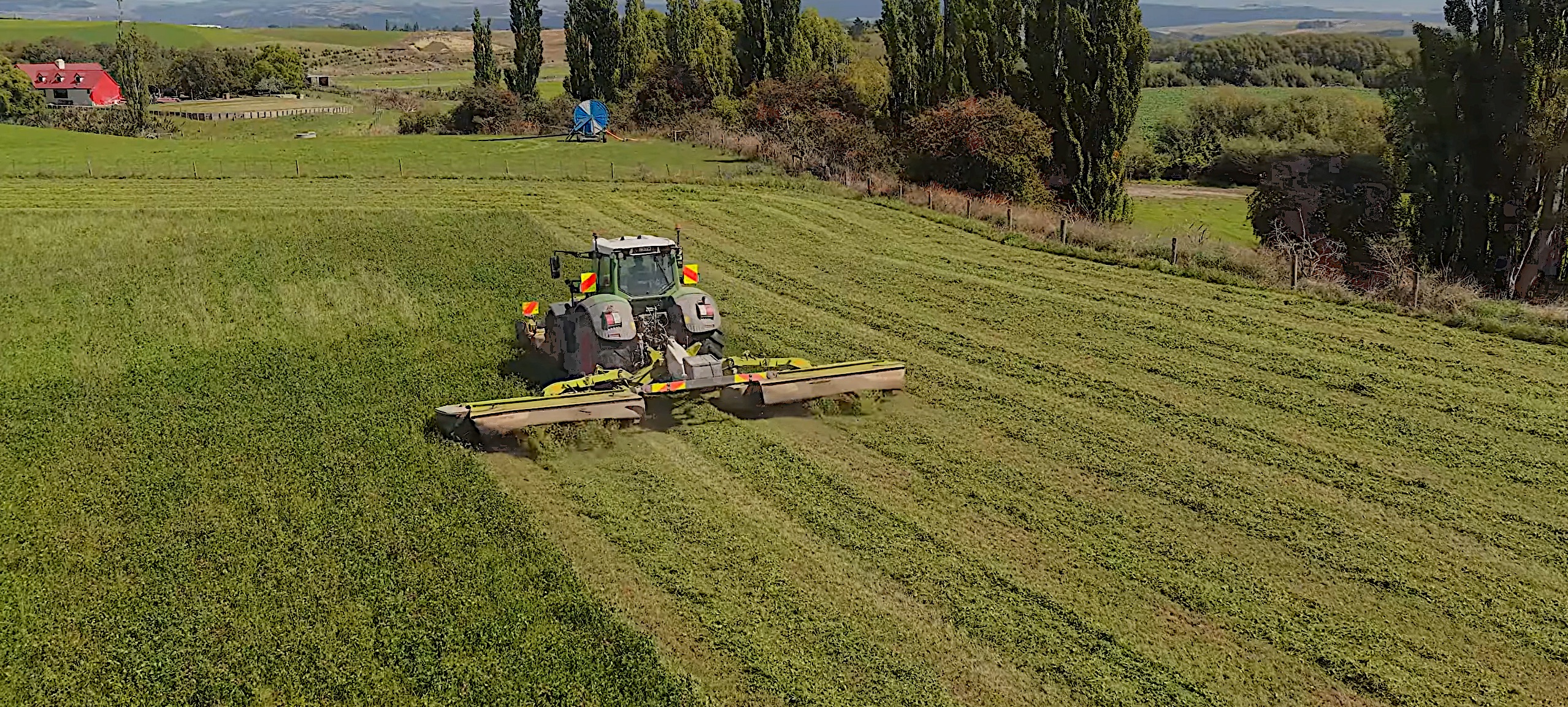
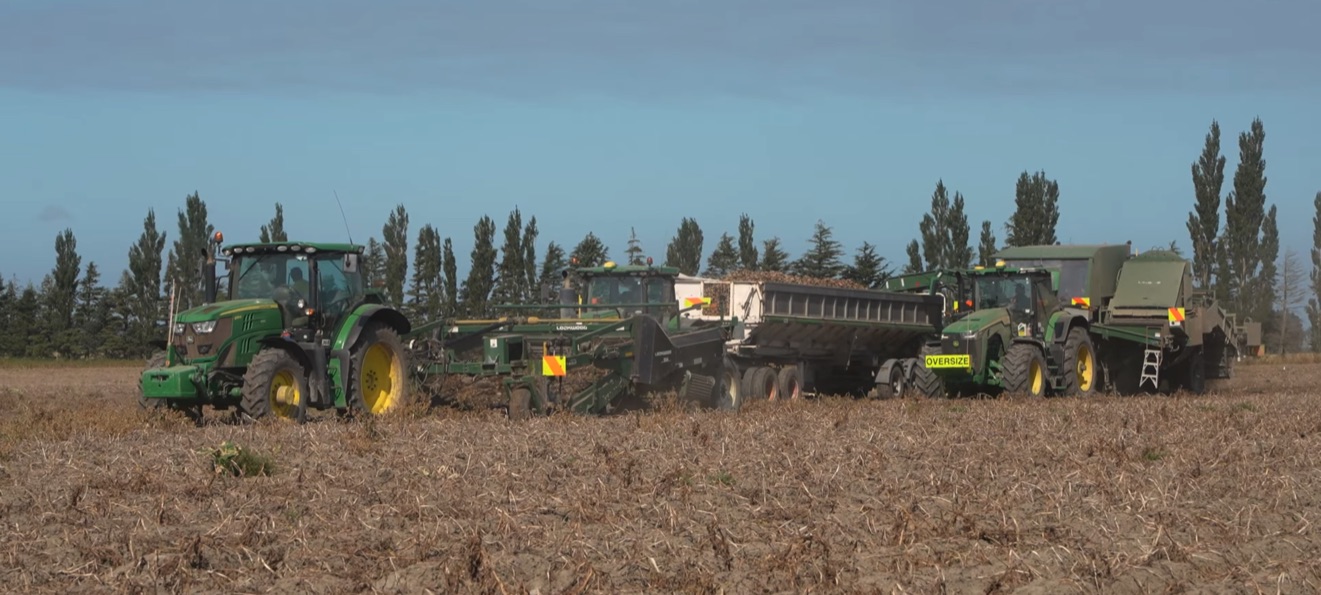
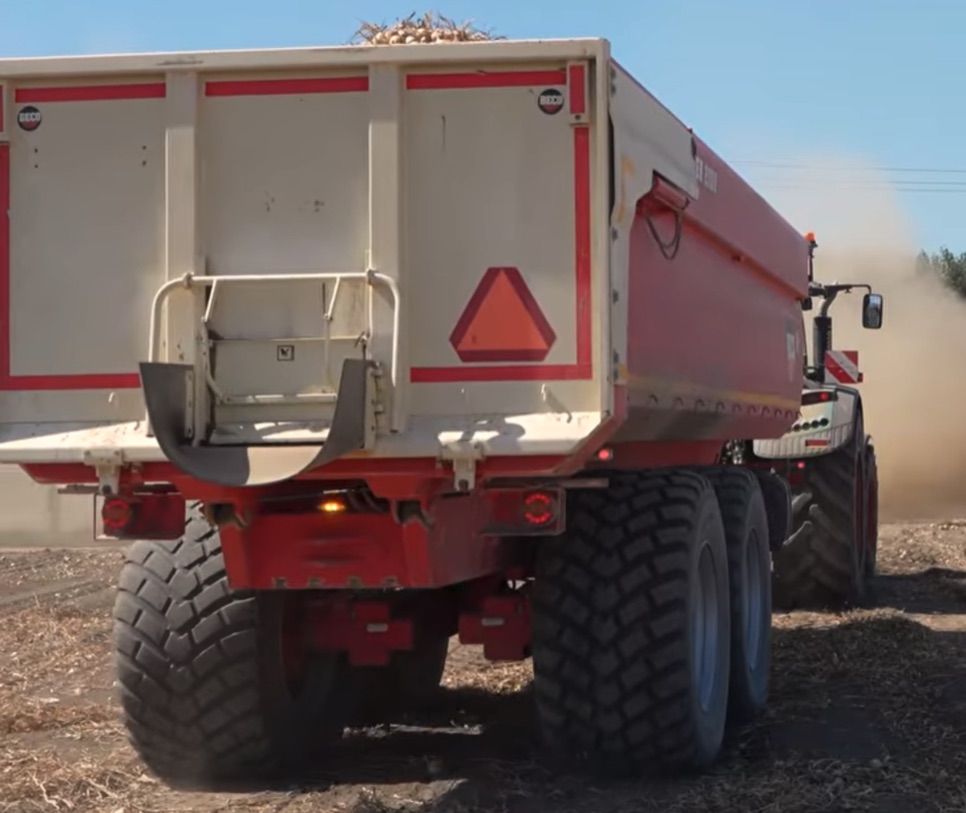
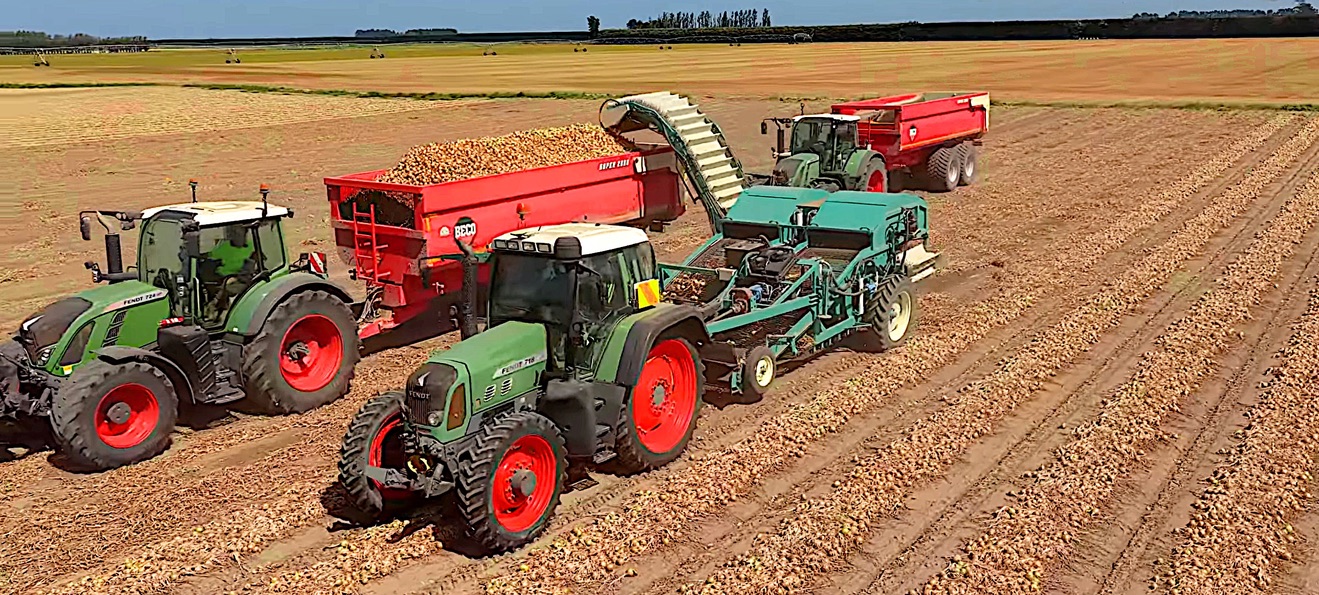
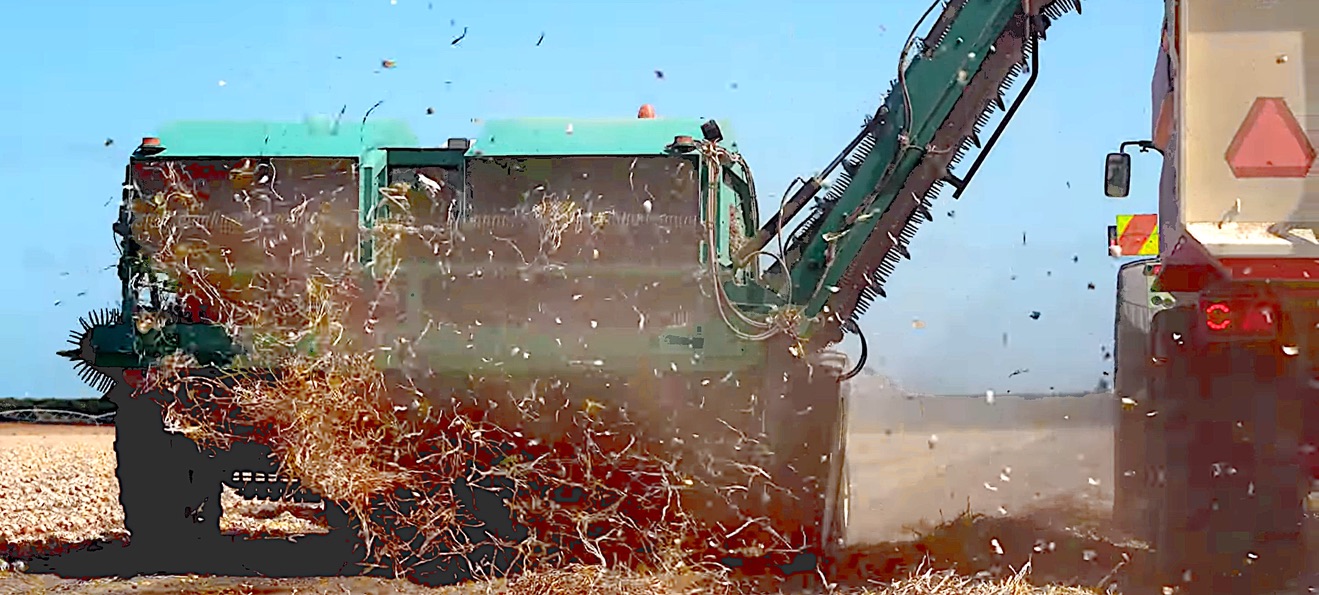
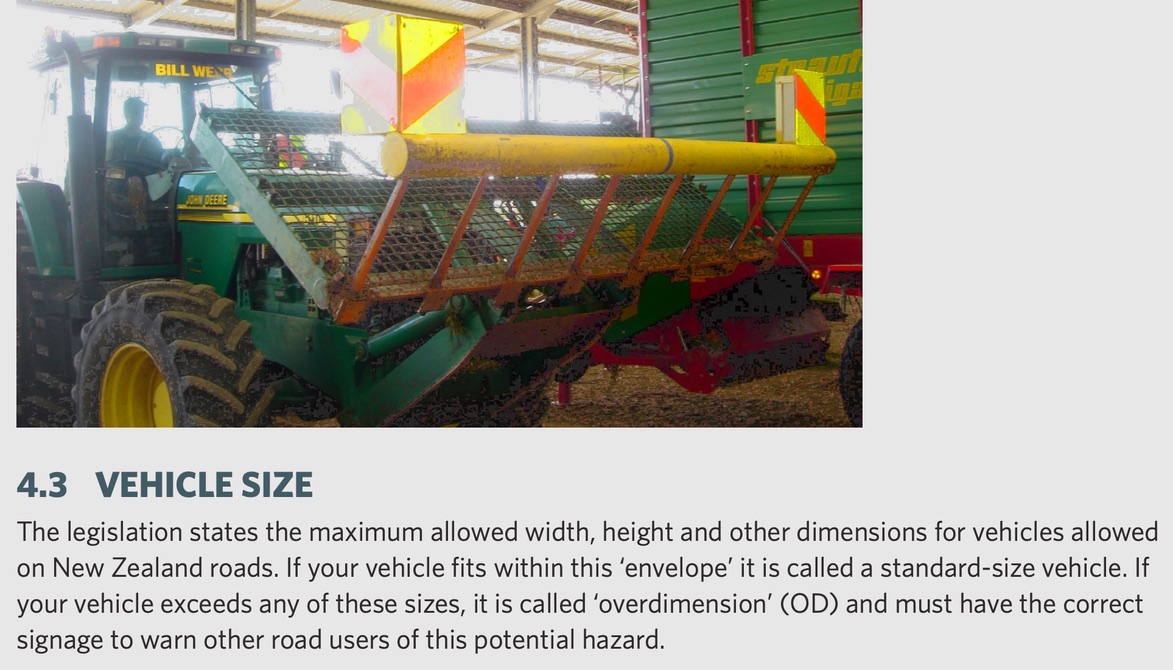
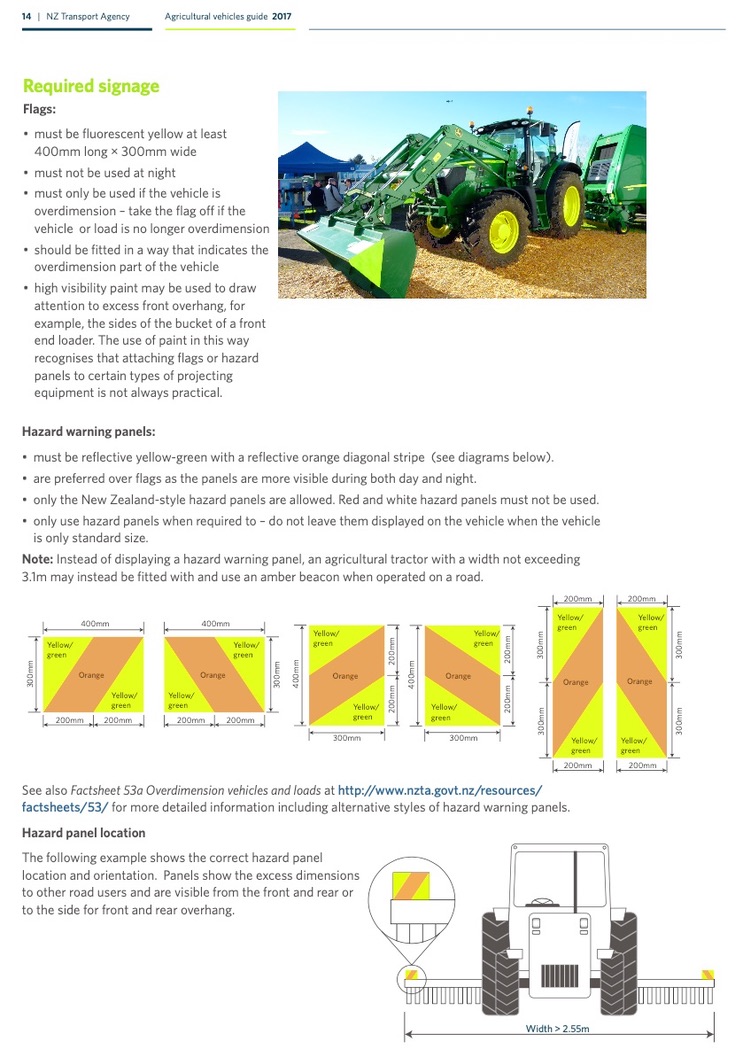
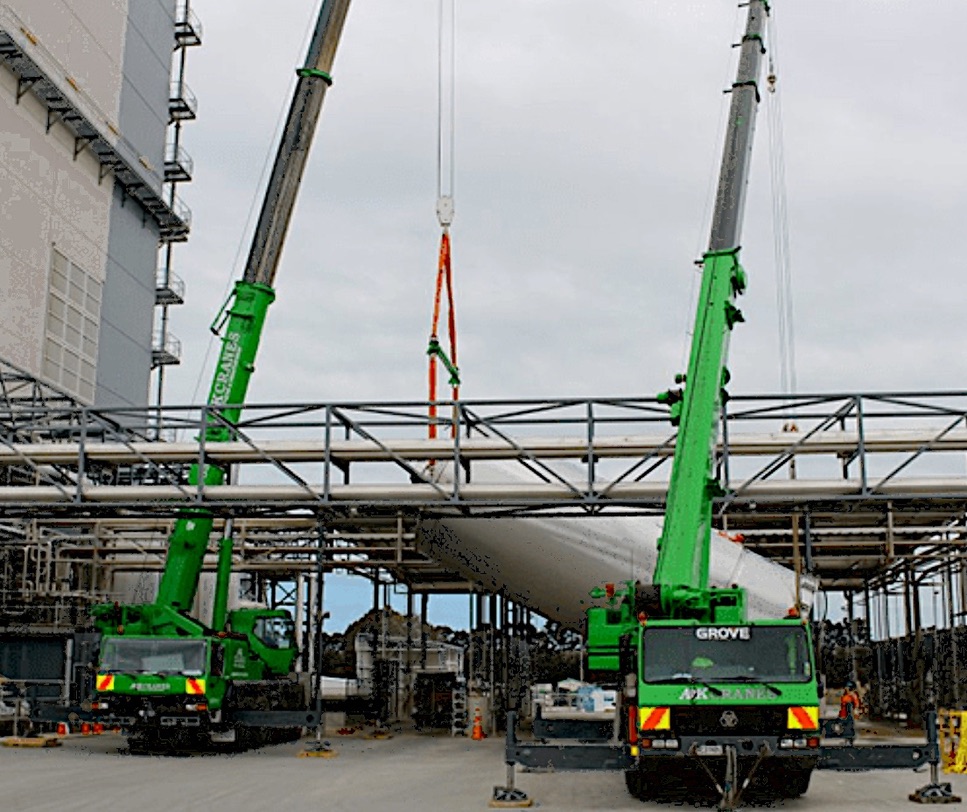
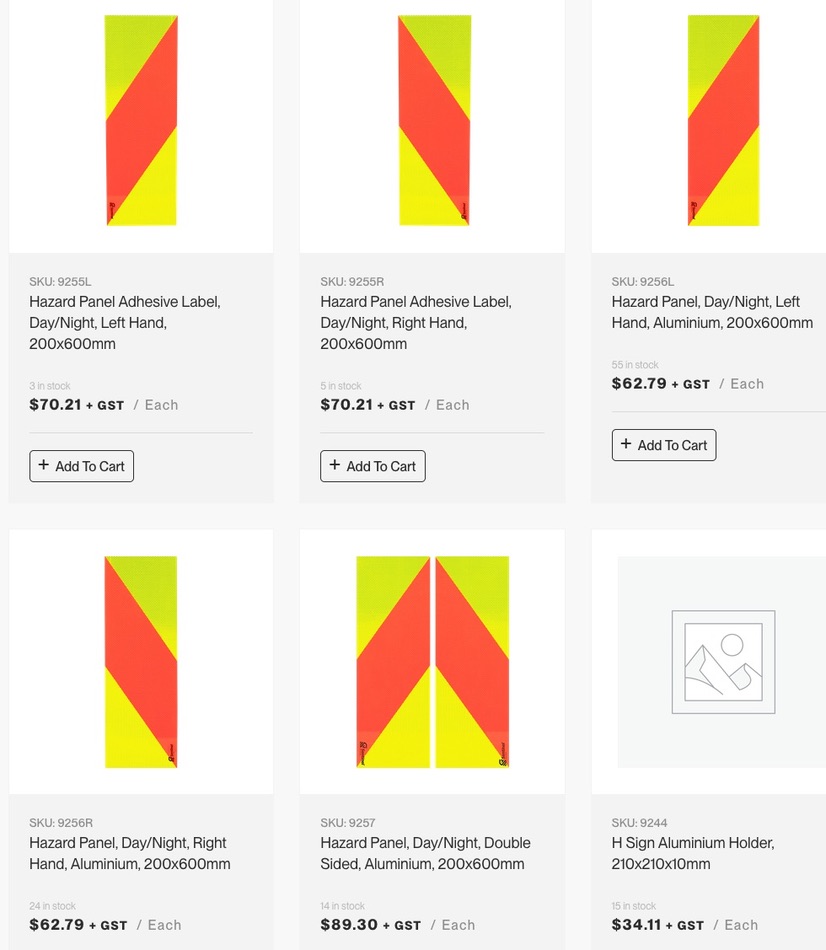
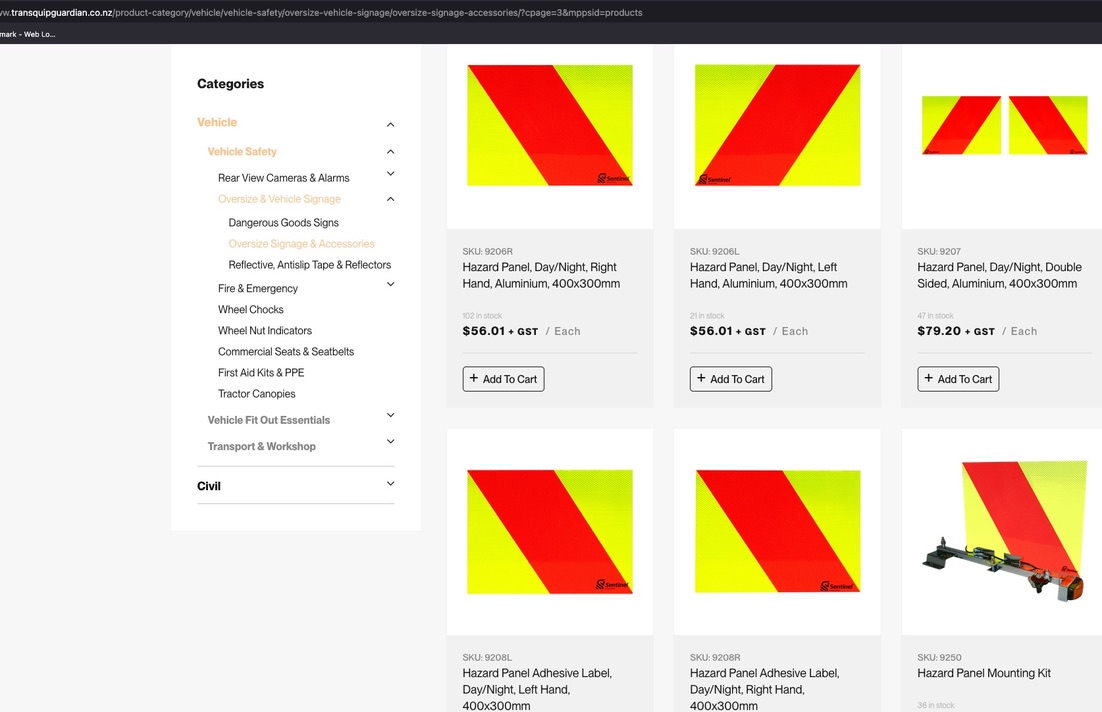
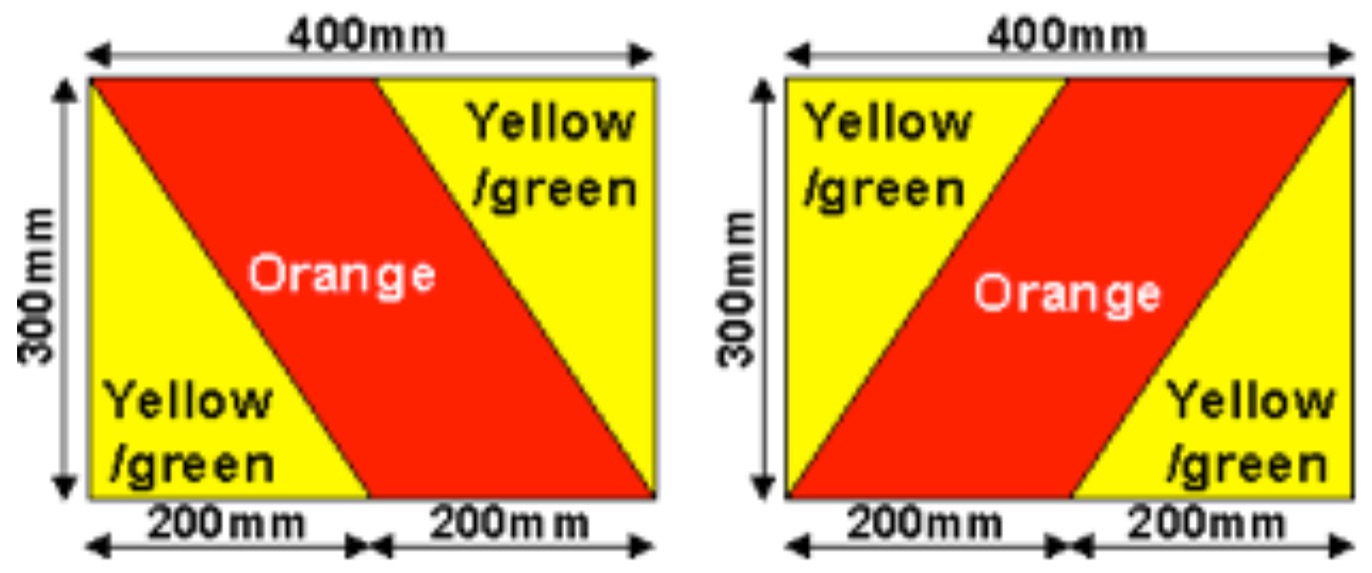
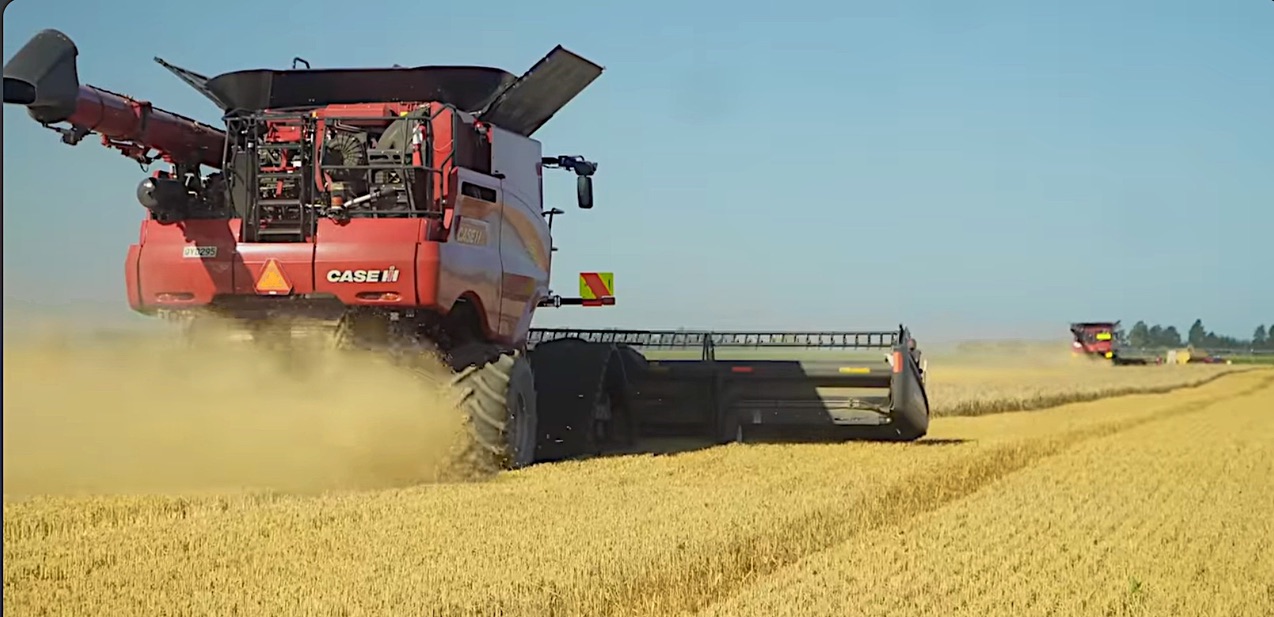
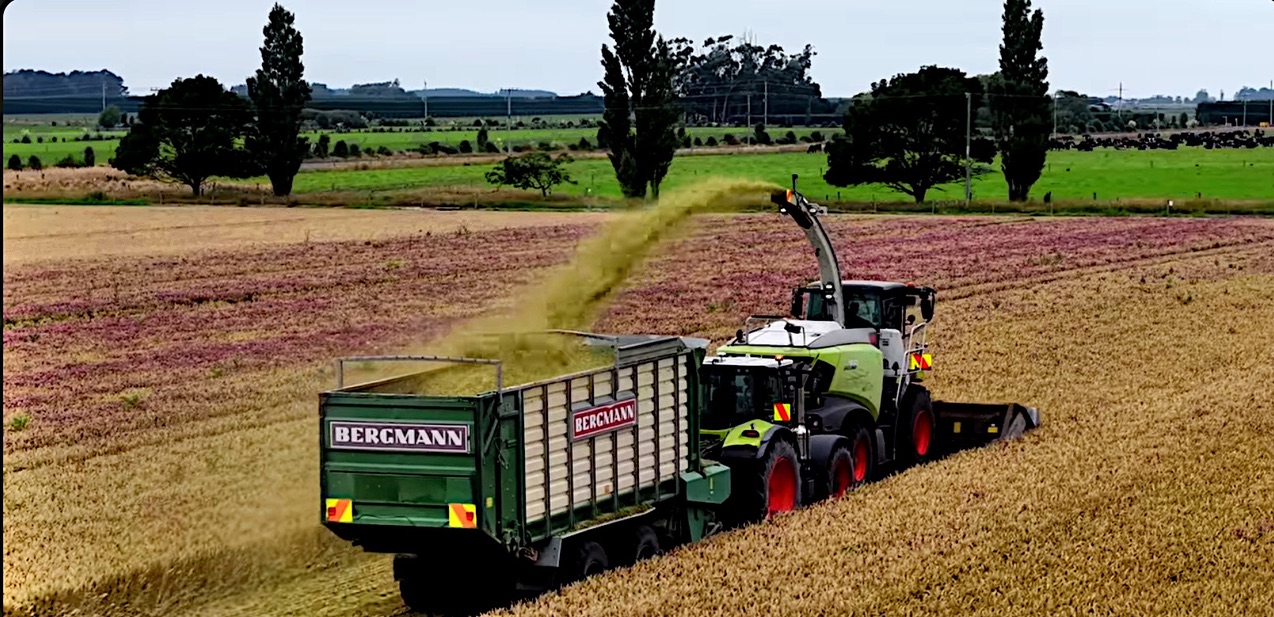
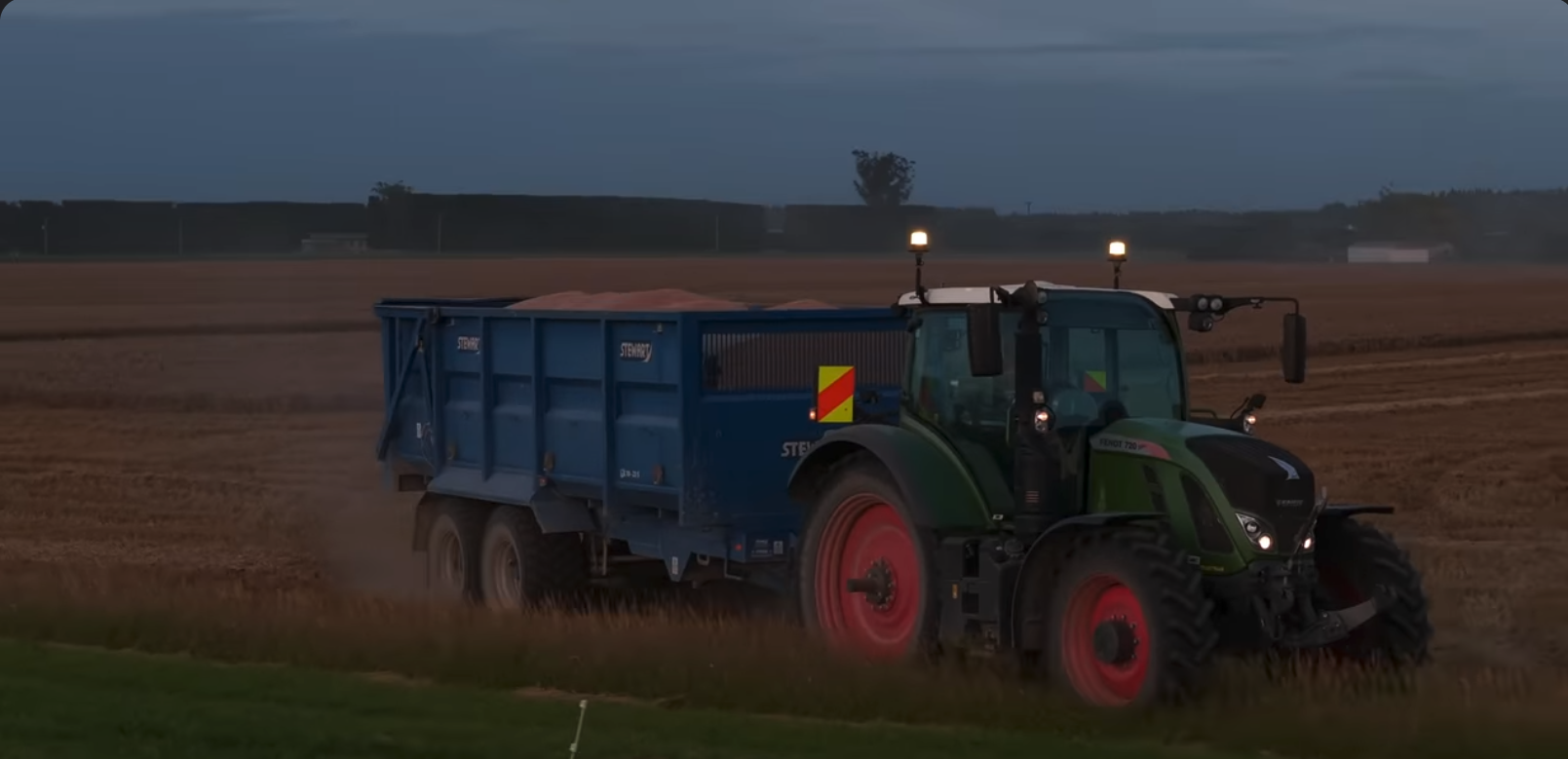
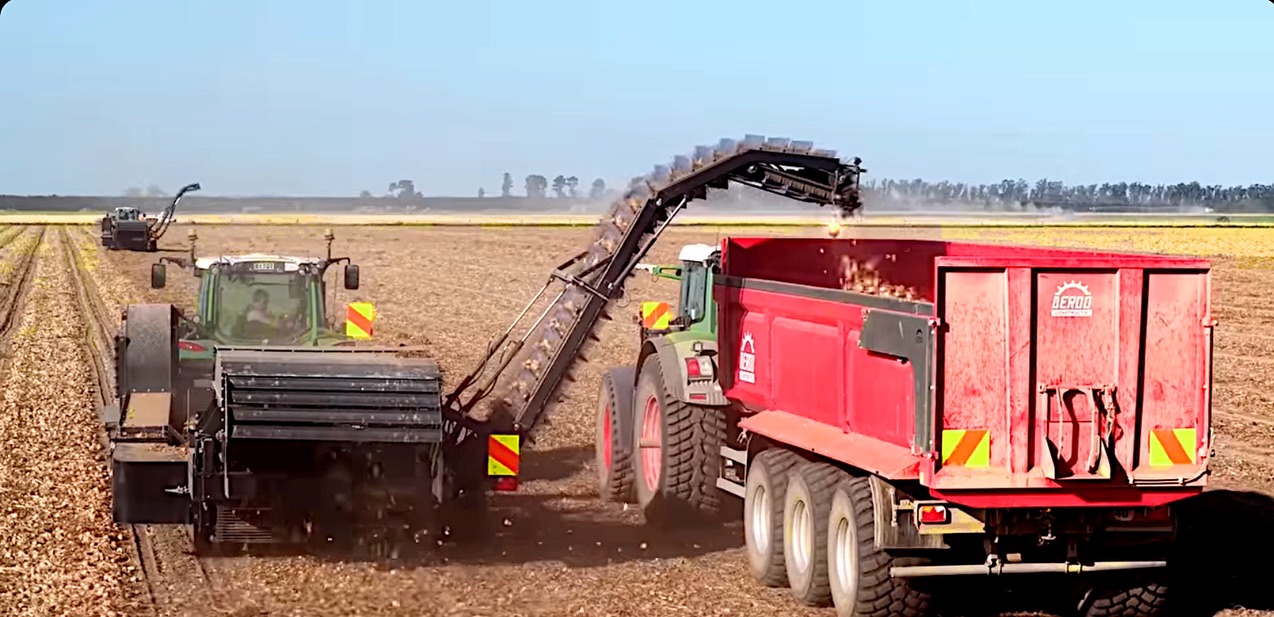
Screenshot from video of New Zealand hazard panels in useScreenshot from video of New Zealand hazard panels in use.Screenshot from video of New Zealand hazard panels in use.Screenshot from video of New Zealand hazard panels in use.Screenshot from video of New Zealand hazard panels in use.Screenshot from video of New Zealand hazard panels in use.Screenshot from video of New Zealand hazard panels in use. Our recommendation would be to have a black border around the rear panels to give greater contrast with the yellow paint job on the equipment for greatest visibility. See this link for the page addressing that problem, elsewhere on our website.Screenshot from video of New Zealand hazard panels in use. See text above for addressing visibility/contrast issues.Screenshot from video of New Zealand hazard panels in use.Screenshot from video of New Zealand hazard panels in use.Screenshot from video of New Zealand hazard panels in use.Screenshot from video of New Zealand hazard panels in use.Screenshot from video of New Zealand hazard panels in use.Screenshot from video of New Zealand hazard panels in use. Note that Claas equipment has a slight variation on the specs for dimensions and style as stated by the N.Z. government, as shown in other pictures below.Screenshot from video of New Zealand hazard panels in use; this picture capturing a zooming transition from one scene to another… showing the hazard panels in an artful blur.Screenshot from video of New Zealand hazard panels in use.Screenshot from video of New Zealand hazard panels in use.Screenshot from video of New Zealand hazard panels in use. This is one of the shots that shows how many, if not most, of the freestanding panels on equipment is double-sided… allowing viewing of the panel from both directions.Screenshot from video of New Zealand hazard panels in use.Screenshot from video of New Zealand hazard panels in use.Screenshot from video of New Zealand, though this one shows just a conventional SMV emblem at the rear with no fluorescent/retro-reflective hazard panels, and, the hazard panel seen at the front on the tractor is an older style European Union type of just red and white stripes (probably retro-reflective). The N.Z. government states (as seen elsewhere in these screenshots) that the use of such E.U. r + w panels is not allowed. Our guess (and hope) is that these particular pieces of equipment never leave the farm for the road.Screenshot from video of a single New Zealand hazard panel in use on the closest tractor… folded back while in the field. The hazard panel on tractor at the left is of an old-style E.U. red and white stripes panel, hopefully indicating that it never leaves the farm.Screenshot from video of a New Zealand hazard panel in use at the front of the towing equipment, while a plain, faded legacy SMV emblem is all that is at the back. This possibly indicates that the trailer never goes on the road or leaves the farm.Screenshot from video of New Zealand hazard panels in use. It is not known at this time if usage of the new-style hazard panels (and oversize sign) precludes the need for SMV emblems or not. The newfound visibility of the panels (and oversize sign), with their modern fluorescent colors obviously is doing much more to catch oncoming motorists’ eyes than a single legacy SMV emblem ever could. Watch this space for update on that aspect of their regs when known.Screenshot from the N.Z. video showing a combine sporting only a legacy SMV emblem, possibly indicating that the combine never leaves the farm.Screenshot from video of New Zealand hazard panels in use.Screenshot from video of New Zealand hazard panels in use. Quite the view of the ocean out of the windows of the combine… “nice work if you can get it….” (credit to George Gershwin)Screenshot from video of New Zealand hazard panels in use.Screenshot from video of New Zealand hazard panels in use.Screenshot from video of New Zealand hazard panels in use.Screenshot from video of New Zealand hazard panels in use.Screenshot from video of New Zealand hazard panels in use.Screenshot from video of New Zealand hazard panels in use, along with N.Z.’s fluorescent “Oversize” panel.Demonstrative picture of New Zealand hazard panels and their placement from N.Z. government website, with text on usage.Demonstrative picture and diagrams of New Zealand hazard panels and their specs/placements from N.Z. government website, with text on usage.Truly modern, effective agricultural safety from the land of the Kiwi’s… it’s in the bag.Screenshot of New Zealand hazard panels in use on cranes from a N.Z. commercial website.Screenshot about hazard panels and oversize signs from a N.Z. commercial website, featuring both N.Z. and Australian-style markers (plain yellow). This exemplifies how the little guy (country) shows the modern way forward to the bigger guy (country).Screenshot about hazard panels from a N.Z. commercial website, featuring both N.Z. and Australian markers (plain yellow).Screenshot about hazard panels from a N.Z. commercial website.Main screenshot and demonstrative video’s intro screenshot of their link* about hazard panels from a N.Z. commercial website. *the link to video not live hereScreenshot about hazard panels from a N.Z. commercial website.Screenshot about hazard panels from a N.Z. commercial website.Screenshot about hazard panels, with dimensions of the initial panel size, from a N.Z. commercial website. As seen previously, N.Z. saw fit to expand offerings on the configuration of the panels into a 2nd narrower/longer option. Imagine regulations and options on such a needed safety aspect reflecting advanced thinking outside the box!Screenshot about hazard panels from a N.Z. commercial website.Screenshot about N.Z. and Australian-style hazard panels from a N.Z. commercial website. The Aussies must wonder why their bigger country can’t benefit from the cutting-edge smaller country’s advanced thinking….Screenshot about hazard panels from a N.Z. government website touting the new option. Note the prohibition against using old-style European Union red and white panels. This country is SERIOUS about road safety… historical standards of theirs and other countries be damned.Other nations, including the US (and its ASABE) should take a lesson from them about willingness to adapt to modern times and think outside the box.Screenshot about hazard panels from a N.Z. commercial website.Screenshot about hazard panels from a N.Z. commercial website.Screenshot from a German company’s website on hazard panels, etc. Note the old forlorn SMV emblem in the array.Screenshot from a British website on hazard panels.Screenshot from a British website on hazard panels for Europe, including Spain and Italy variations.Screenshot from a British or E.U. country’s website on red + white hazard panels. Note how panel mounting brackets include swing-away provisions, if needed.Screenshot from a German company’s website on E.U. red + white hazard panels.Screenshot from an E.U. or British website on hazard panels.Screenshot from an E.U. or British website on hazard panels.Screenshot from an E.U. or British website on hazard panels. You say aluminum… I say aluminium.Screenshot from a British website on hazard panels.Screenshot from a Polish company on E.U. hazard panels.Screenshot from New Zealand video.This picture seen on our “BIG T-CT” page and near the top of the main post on this page, featuring US-sold Claas machines sporting native European Union red and white Hazard Marking wide vehicle stripes. These haven’t exactly caught on in the US as you may have noticed, but you see that the machine on the right definitely benefits from their presence, as the old starting-to-fade SMV emblem is a minor player in rear end safety. The purpose of this picture, posted some years ago, was to show how modern, large, wide farm equipment desperately needssomething besides standard SMV emblems. With the way most equipment has grown, the legacy SMV emblem unfortunately has NOT grown with with them. The now-small appearing SMV emblem “gets lost” with all the extra back end real estate presenting itself to oncoming motorists. The “standard” Tri-Color Triangle(TM) goes far to help correct the size issue… it’s about 1 1/2x bigger. Our “BIG T-CT,” (see page), one and 1/2 times larger than our regular T-CT, goes even further to address big equipment’s visibility-of-safety add-ons problem. Europe’s introduction years ago with the red and white stripes as shown was another step… for Europe at least. Which brings us to New Zealand…. Who would have expected those Kiwi’s on the other side of the globe to take up the ball and make their dramatic change to bring rear-end safety into the 21st century? The mouse that roared.
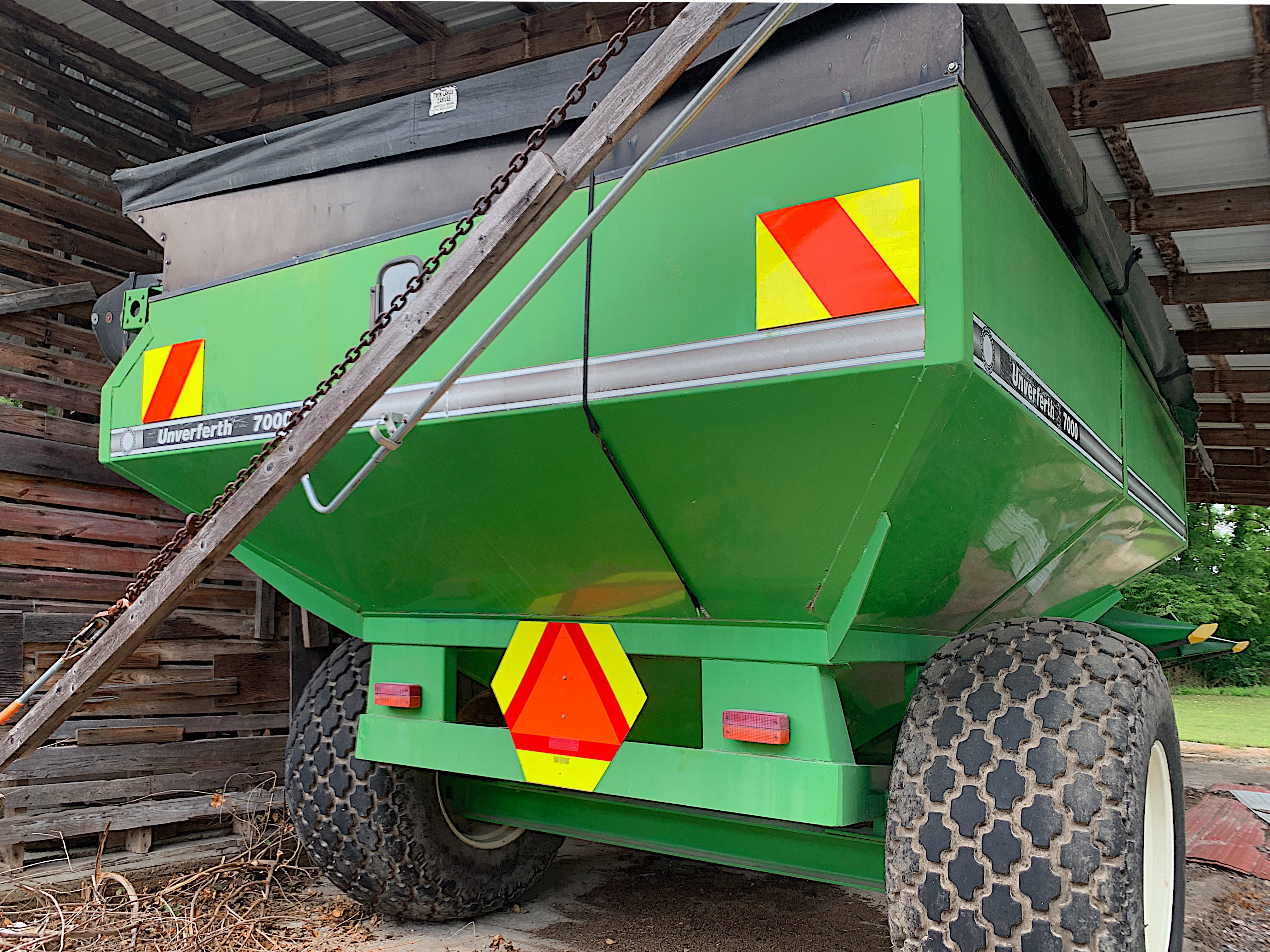
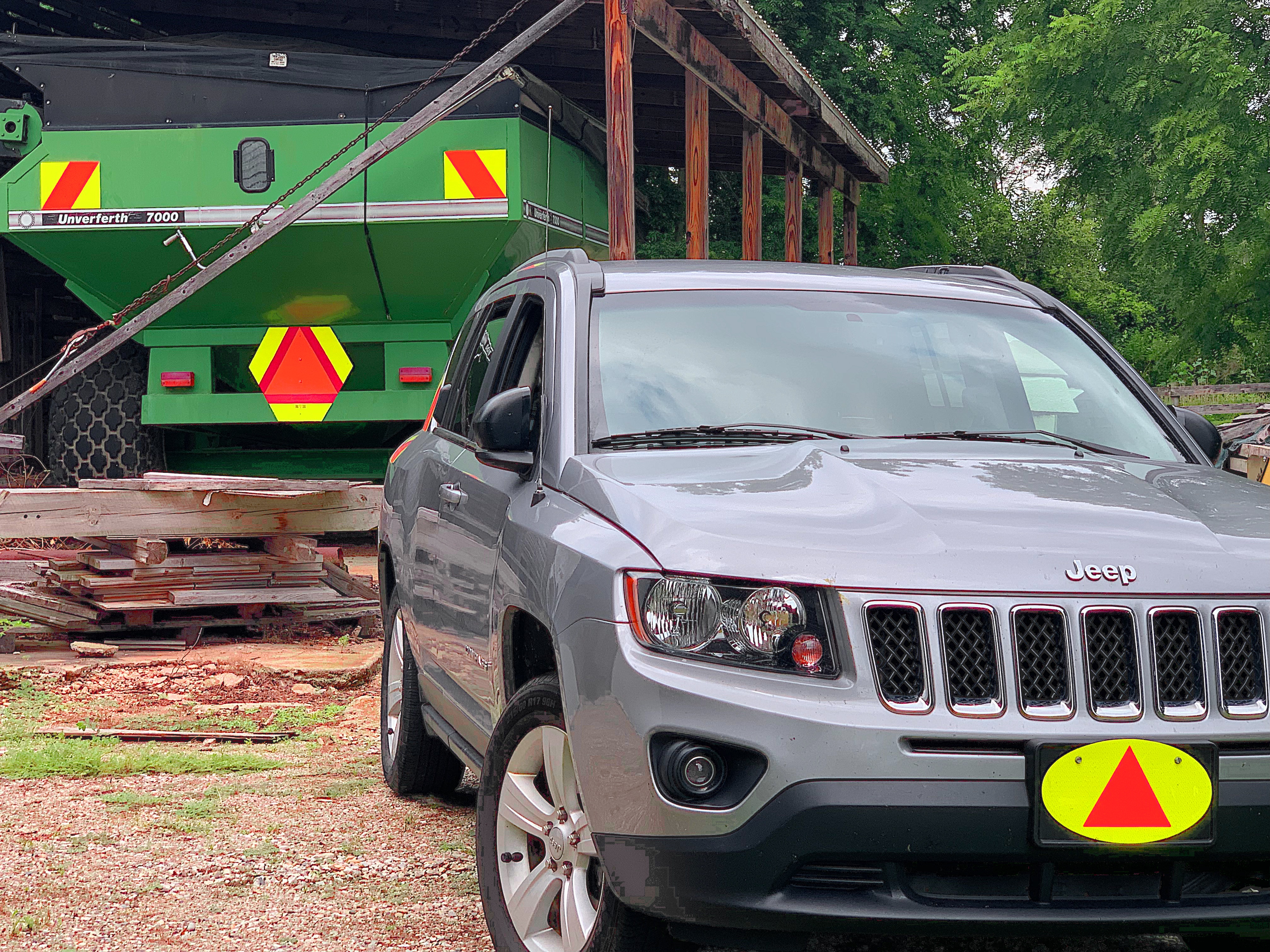
Watch this space for pictures of big equipment with both the BIG Tri-Color Triangle and New Zealand-style hazard panels! (NOW…, already as of 8-9-26, see picture below!)Per notice posted on picture above, here already (days later) is the first-ever shot of local Indiana-used large, wide farm equipment that was already equipped with a “BIG T-CT” for some years, and is now joined by our own initial, prototype N.Z.-style hazard panels. The colors are obviously complimentary… like one device was made to be used with the other. The effect on safety for rearward-approaching motorists by day/dawn/dusk/night can’t be more dramatic… an obvious advance. A veritable no-brainer on why this overall combination is indisputably the way to go for responsibly bringing farm safety into the 21st century. Hands-down win! (One more pic at end)Screenshot from New Zealand video.Screenshot from New Zealand video.Screenshot from New Zealand video showing an odd mix of just the front end having their new hazard panels… double-sided at least, affording some rearward protection… though coupled with a small legacy SMV emblem at the rear, and on red painted equipment to further handicap the effect (no contrasting black paint around it to offset it from the red). Screenshot from New Zealand video.Screenshot from New Zealand video. We hope that the drivers of the harvester and the tractor towing the trailer are checking their mirrors nearly-constantly for accuracy of the stream’s aim.Screenshot from New Zealand video. Note the boom sporting the hazard panels’ color scheme. Note also how the presence of the hazard panels plus use of the Oversize sign seem to nearly preclude the need for a SMV emblem for all practical purposes…?Screenshot from New Zealand video of tractor with hazard panel at dusk.Screenshot from New Zealand video. The tractor and harvester apparently making do with panels only on one side.Screenshot from New Zealand video. Note how the tractor’s hazard panels show up substantially better than the forlorn SMV emblem on it, as well as the equally-nearly-overlookable emblem on the trailer.Screenshot from New Zealand video.Screenshot from New Zealand video.Screenshot from New Zealand video.Screenshot from New Zealand video.Screenshot from New Zealand video.Screenshot from New Zealand video.Screenshot from New Zealand video.
After presenting this array of examples of how such Large-and-Effective fluorescent yellow-green and orange retro-reflective panels are near-religiously being used in a whole country… Does It Not Stand To Reason that the “kicking and screaming” elements of hidebound, status quo-beholden persons/agencies/organizations in positions of power and influence with the government should be unceremoniously relegated to the Dustbin of History… however entrenched their powers, and beholden to special interests they may be… IF it is floated out that these N.Z.-style Safety Advances should now be the rulein the US and elsewhere?
After all, such type organizations* have already done their best so far to suppress a similar, good of an idea as the Tri-Color Triangle(TM)….
Engineering societies… especially ones that act as Trade Organizations… with entrenched interests in calling the shots and protecting those to whom they are economically beholden to… should step aside and let psychologically-and-graphically obvious advancements in the field Rule the Day. Only then would they again be able to be considered Outstanding In Their Field.
*yes, this could be considered as referencing the ASABE… those folks that have given you the latest 276.8 standard against SMV emblems’ orange core being “reflective,” though their intention in their haste was certainly to have been “retro-reflective”… very odd for a professional engineering society to make such an engineering nomenclature mistake. Follow.The.Money.
¶ Therefore, let it be publicly put forth here on this page that the adoption of New Zealand-style wide/oversize vehicles’ Hazard Panels, as used for Slow-Moving Vehicles and agricultural use, become the order of the day… at least for the backsides of such vehicles… overly-wide or not… this, in the interest of Greater Visibility, Public Safety and Accident Prevention.Let progress in the interest of such safety, wherever it originates from, be the order of the day.
A second shot of our first-ever installation of our prototype New Zealand-style hazard panels on a wide/oversize grain trailer in Indiana on 8-9-26, joining a pre-existing “BIG T-CT” that has been protecting the farmer and motorists near Lafayette and Romney, Ind. for some years. The fluorescent colors of the Tri-Color Triangle(TM) obviously complement the exotic Kiwi eye-catchers, making the combination use of all 3 pieces of modern Safety Graphics* the way to go to finally and effectively achieve what the venerable (though dated) SMV emblem set out to do a half-century ago. Demand to bring farm safety into the 21st Century! Accept no less. This shot showing our *Safety.Graphics support vehicle, sporting a complimentary motif on the front.